
































For HEATJACGUY, music is less about chasing a career and more about having something to say. His path to making music was shaped by experiences that began long before he ever recorded a song. During the first Gulf War, he found himself troubled by the way religious differences could become a source of division, particularly the idea of one religion being superior to another. His own view is that religion was created by man, and that questioning those divisions became part of the message he wanted to communicate through his music.
Music was not something he had formal access to growing up. Raised in poverty, he was never allowed to take guitar lessons, so he had to find his own way toward making music. That early limitation did not stop his interest. Instead, he developed his own musical influences, particularly through female vocalists and artists such as Fleetwood Mac, Joan Baez, Diana Ross, and Enya. Enya’s ethereal sound especially stayed with him, giving him an example of the kind of atmosphere and texture he wanted to explore in his own work.
What drives HEATJACGUY now is not fame. He wants people to hear the music, understand its message, and consider what kind of world they are leaving behind. His hope is ultimately tied to his children and grandchildren, and he wants his work to contribute to a better future for them. There is also a larger ambition surrounding the song, with a Hollywood producer listening and the possibility of developing it into something with the collective spirit of We Are the World. For all of those bigger goals, though, one of his proudest moments remains remarkably personal: his children liking his music.

His story also extends well beyond music. After attending both dental and medical school and completing two residencies, he eventually retired from medicine. Along the way, he started a business called HEATJAC, explored stand up comedy, and continued pursuing interests outside the traditional expectations of a retired physician. That range says something important about how he approaches life. He does not seem interested in fitting neatly into one identity, and his music reflects that same willingness to follow ideas wherever they lead.
If there is one lesson he would give his younger self, it would be to make his music more accessible so that more people can connect with it. That perspective reveals a practical side of his artistic ambition: having a message is one thing, but finding a way for people to receive it is another. Rather than simply insisting that listeners meet the music on his terms, he has come to recognize the importance of making the message easier to reach.
Now, alongside his business and music, HEATJACGUY is looking toward an equally unexpected goal: competing for a championship in the Masters Track and Field 200 meter. He has already experienced recognition during his years as a resident and physician, but he wants his music to earn its own place in people’s attention. Ultimately, his ambitions are not limited to a song, a career, or a moment of recognition. He wants to leave behind something his children and grandchildren can live with, listen to, and carry forward.
Related Stories
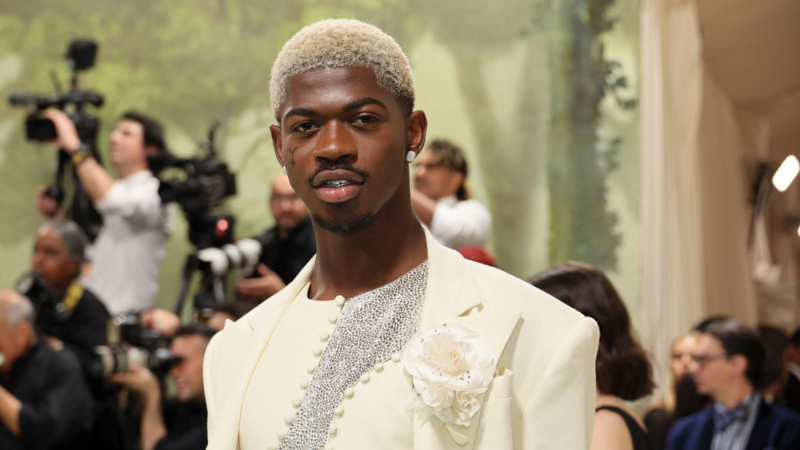
“World’s Greatest!” Brings Lil Nas X Back to the Beginning
Lil Nas X's World's Greatest! connects his past and present through a new single and an Atlanta-shot film...

Davis & The Love Turn Three Years of Touring, Love, and Self-Discovery Into Songs We Wrote About You
For Davis & The Love, the journey toward Songs We Wrote About You began in 2023, when the...
Tsuskii Sets the Pace for His Next Chapter With “Step Back”
What does it mean to become consumed by something? For Tsuskii, the answer stretches across creativity, ambition, success,...