























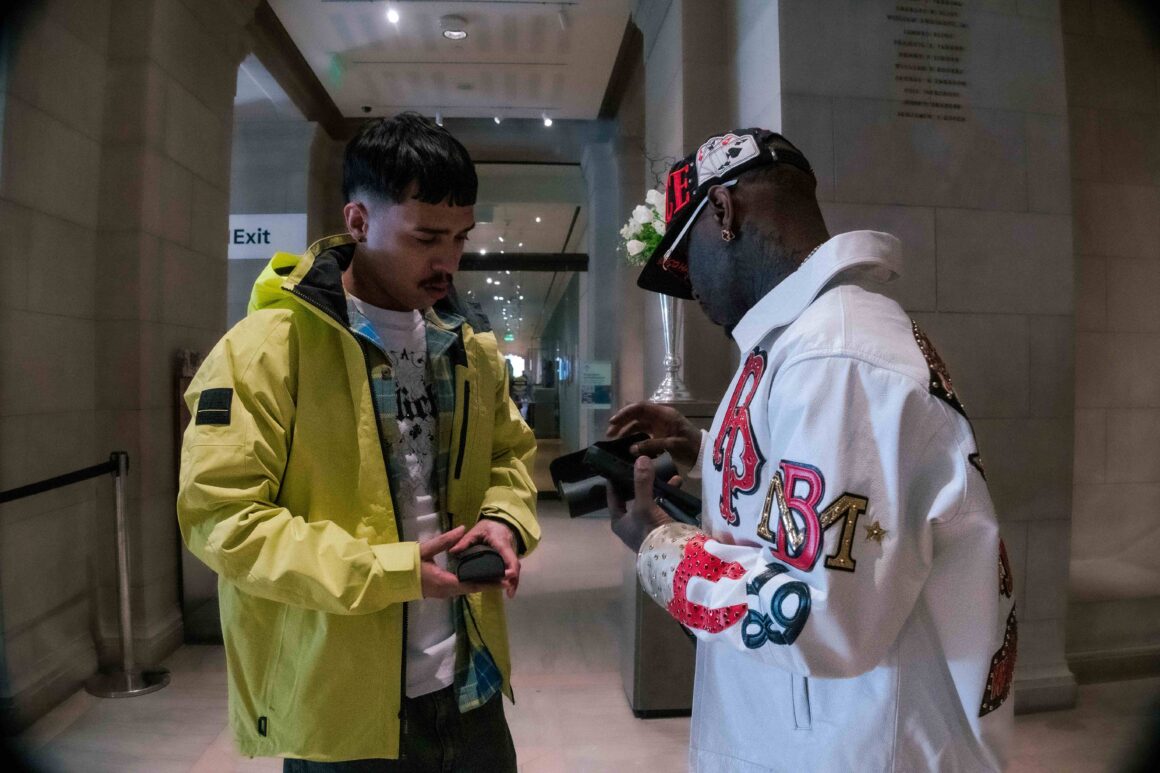
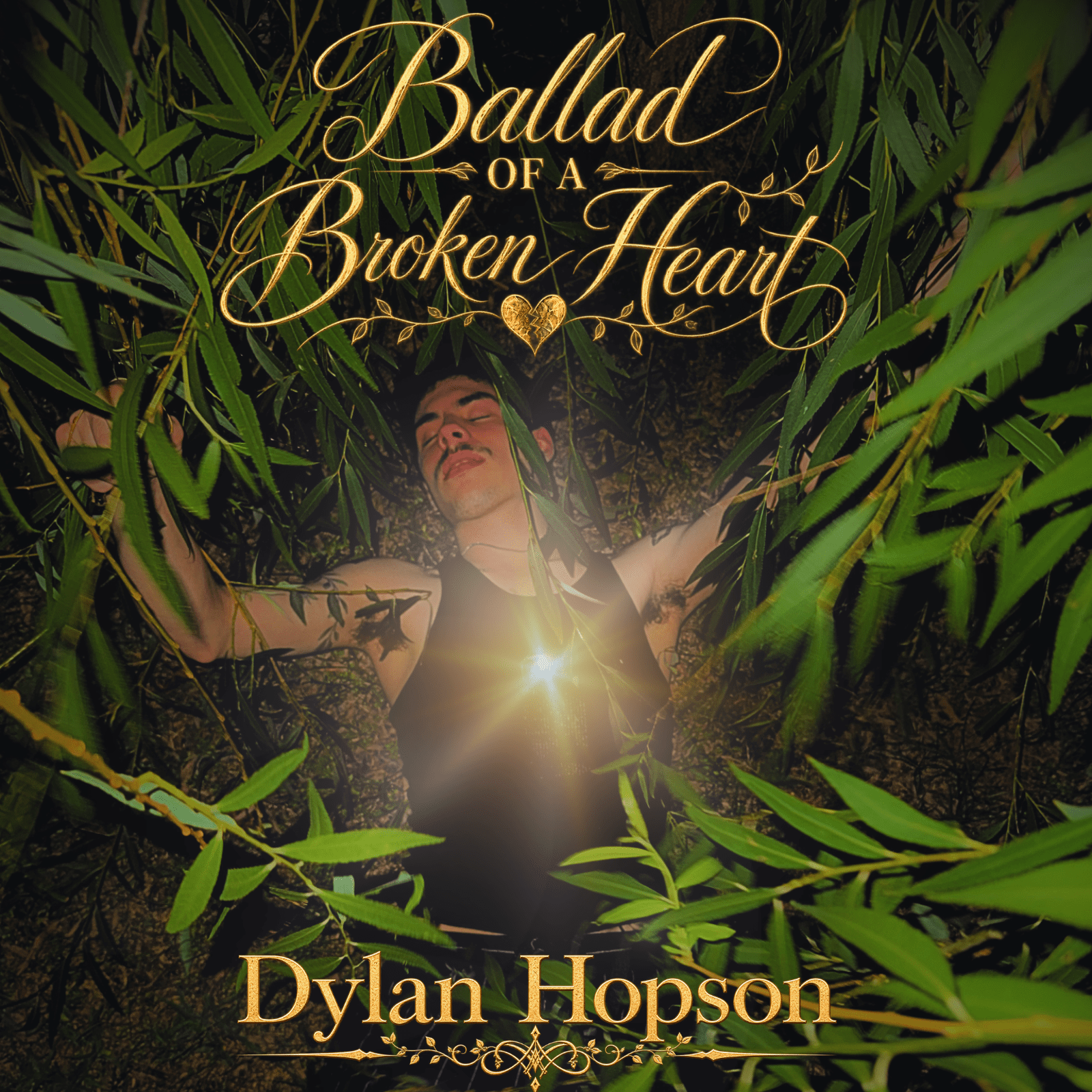
For Dylan Hopson, Ballad of a Broken Heart began with the belief that he had finally met someone who could see past the version of himself he usually showed the world. When they first met, Hopson was in his head and not particularly confident, but sitting in their car and listening to the way they spoke to him made him feel understood. He thought they genuinely wanted to know him. What began as a connection that felt different eventually became something far more painful, as their attention faded and Hopson found himself questioning whether they had ever seen him for who he really was.
The relationship changed gradually. They began pulling away while still giving him enough attention to keep him attached, leaving Hopson feeling breadcrumbed and kept around when they needed him. Promises that they would not ignore him or suddenly disappear eventually became part of the hurt when that was exactly what happened. The experience left him confronting a difficult question about what he had meant to the person he loved. Was he being valued for himself, or had he simply become something they could turn to when they needed comfort or something physical?
That question became the emotional center of Ballad of a Broken Heart. One of the song’s most revealing moments comes in the second pre chorus: “I was just a body you could use, an item used to forget your blues. A soulless frame with a perfect face to you, my feelings left no trace.” The lyric captures the point where heartbreak becomes something deeper than losing a relationship. Hopson is forced to reconsider what he thought the relationship meant and whether the person he fell for ever understood the feelings he was bringing into it.
The song itself follows a similar path. Hopson wrote it in one sitting, beginning with what would eventually become the third verse and bridge before he even knew where those sections belonged. The song originally started as a letter, which reflects how he naturally processes difficult experiences, but as he continued writing, it became a story. It begins with the feeling of a love song before gradually revealing something darker. The lyric “I swore that you were different from the ones I loved before. Why’d you have to prove me wrong?” captures that shift perfectly. The hope that this person would finally be different becomes part of the heartbreak when they are not.
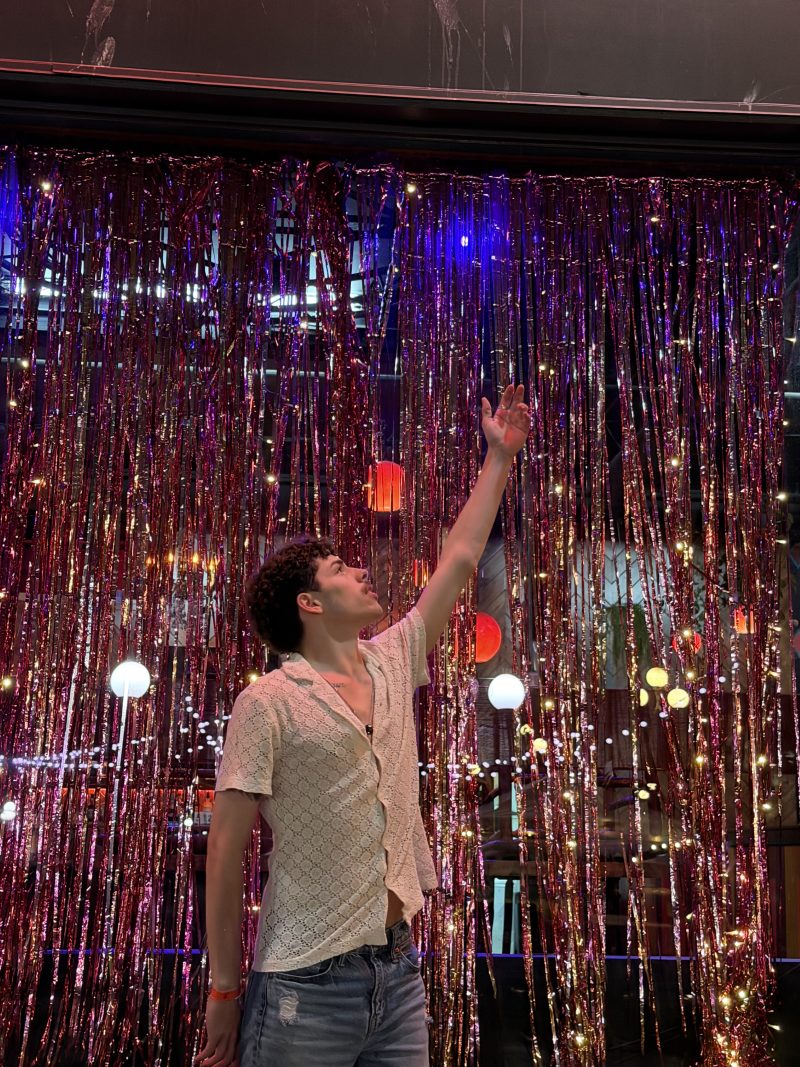
Musically, Ballad of a Broken Heart stays close to the emotion that inspired it. The piano driven arrangement moves between quieter passages and moments where the feeling becomes more intense, giving the song room to breathe before allowing the emotion to rise. Hopson wanted the track to feel melancholy without becoming completely overwhelming. That intimacy is reinforced by the production choices he made himself, including leaving breaths in the recording rather than removing every imperfection. He also pays close attention to the background vocals and how they interact with the lead, using those layers to add another dimension to the story.
The songwriting process remained personal from beginning to end. Hopson wrote, recorded, and produced the song himself, starting with the emotion and story before finding the melody that could carry them. After writing the lyrics, he sat at his keyboard and played a simple chord progression while singing the chorus for the first time. He still has that original voice memo on his phone, and hearing it takes him back to a version of the song that was completely raw and untouched by the production that followed. Once he has music he feels confident about, he also shares it with friends and family, inviting honest feedback while maintaining the independent approach that defines his work.
For listeners, Ballad of a Broken Heart is best experienced somewhere the details can come through, whether that means headphones or a quiet drive alone at night. Hopson’s next album is still taking shape, with the details being kept private for now, but this song offers a clear look at the kind of stories he wants to tell. He takes a painful experience that left him questioning his worth and turns it into something tangible, vulnerable, and entirely his own. Sometimes the hardest part of heartbreak is realizing you were not seen the way you thought you were. The healing begins when you finally learn to see yourself differently.
Stream “Ballad of a Broken Heart” and follow Dylan Hopson:
Related Stories
Beyond the Single: Big Bank Homie Builds BBMG Around “NightCrawler”
With “NightCrawler” and the completed 12-track Free Dymook project, Big Bank Homie is connecting his Detroit music career...

Berthold Kusserow sets Corona crisis grief in A minor, at 90 bpm
“Feel the Rain” sets lyrics of pain, guilt and shame from the Corona crisis against music meant to...
Dion Isaiah Makes Room for Love and Reinvention on New Single “Changing”
South Carolina-born, Norway-based singer, songwriter and producer Dion Isaiah’s new single “CHANGING” is out now. Released on October...