










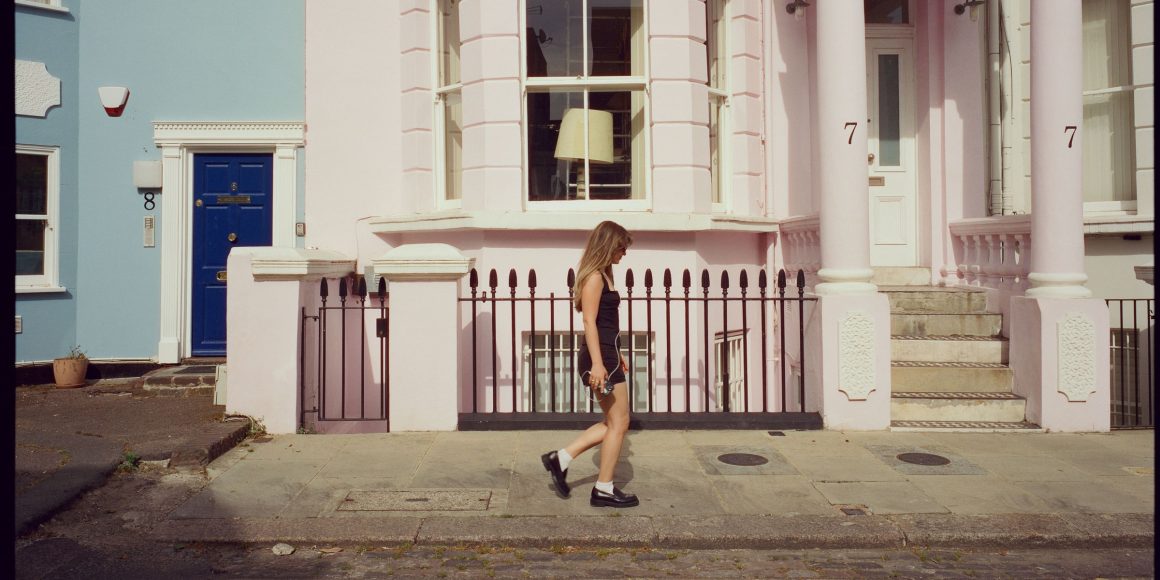












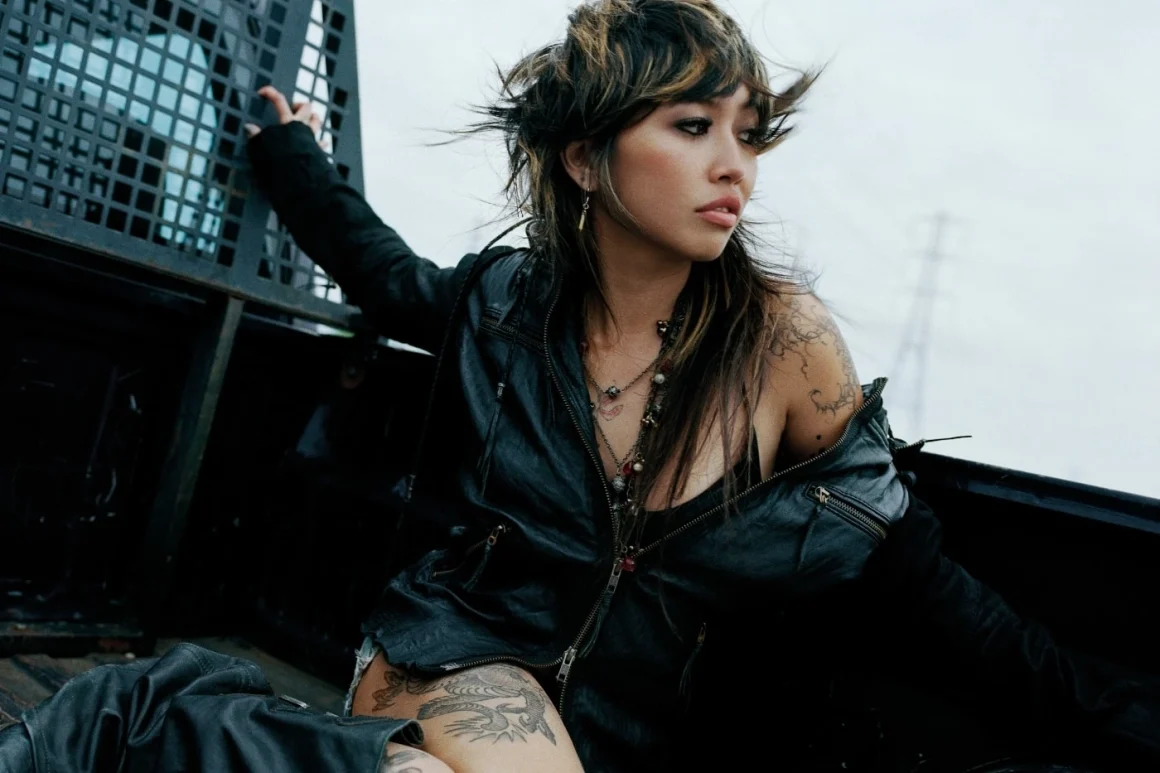

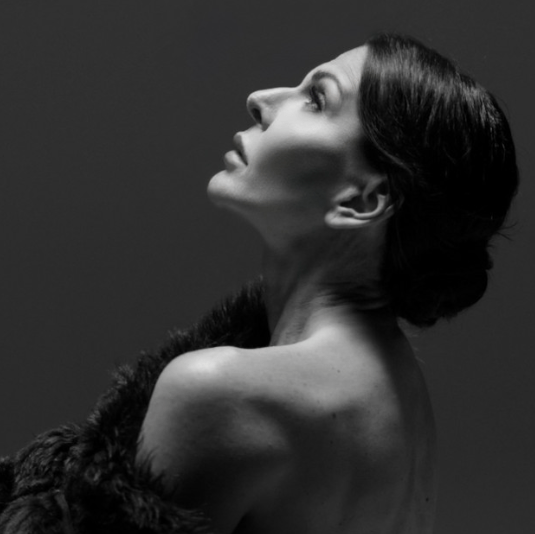
There is a refreshing honesty to Louize Linn’s approach to music. She has no interest in pretending to be younger, following trends, or polishing away the experiences that make a song meaningful. After years away from music, she has returned with a sound that reflects where she is now, combining cinematic alternative pop, trip hop, and deeply personal storytelling. Her music is not an attempt to revisit the past. It is an attempt to continue the conversation.
Linn’s songwriting begins with something much more fundamental than sound. A story arrives first, sometimes accompanied by a feeling or thought that refuses to disappear. Only after she understands what that story is asking for does she begin searching for its musical identity. Her description of these stories arriving “barefoot” is more than a poetic phrase. It captures the vulnerability at the centre of her creative process. The music is there to serve the story, not cover it up.
Her return to music is rooted in a similar sense of honesty. Linn spent years performing and earned a respected place within the underground rock scene before stepping away. Yet music was never truly finished with her. When she eventually returned, she found herself thinking about the generation she had grown up with, a generation that still loved the music that had shaped them but also had new experiences and new stories to tell. Linn wanted to make music that could belong to that audience without trying to recreate its youth.
That maturity also informs the way she thinks about songwriting. For Linn, a song can become a private space, almost like a confidential phone line. There are things that cannot always be spoken in ordinary life, whether because the words are difficult to find or because the right person is not there to hear them. Music gives her another option. Within a song, she can be completely open, creating a connection with listeners who may be carrying their own unspoken thoughts.
The result is an artistic identity built around restraint and emotional truth. Even Linn’s preference for black and white reflects her desire to remove distractions and let the feeling stand on its own. She does not want success at the cost of becoming somebody else, and she does not expect every listener to agree with her. Instead, she hopes her music offers recognition. If one person finishes a song and feels less alone, then the conversation has already been worthwhile.
PR: Danielle Holian, Decent Music PR
Related Stories

Todd Barrow Embraces Faith, Resilience, and Second Chances Through “Sit Back and Breathe”
Hitting rock bottom can make the future feel impossible to imagine, but sometimes the most difficult chapters become...

Cataleya Meadows asks what perfectionism costs when the body becomes the stake
On her dark pop single ‘Skin in the Game,’ Cataleya Meadows follows a performer under the spotlight, tracing...
Andy Gunn recorded his twelve song album live on vintage analogue gear in Edinburgh
Ahead of a tenth anniversary re-release, Andy Gunn revisits Too Many Guitars to Give Up Now, a blues,...