




























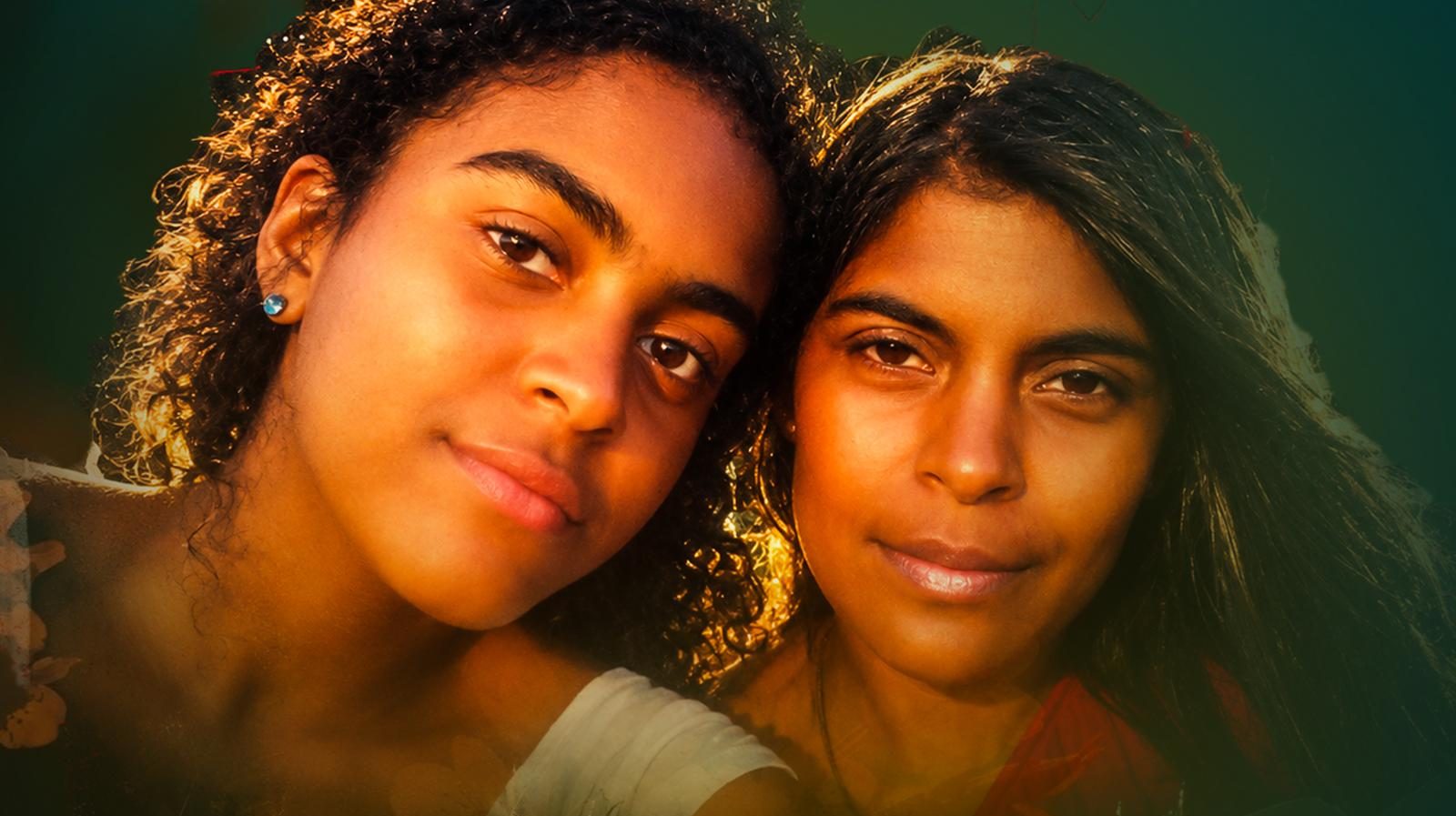
The Dutch singer-songwriter’s October 7 single connects her account of years spent struggling to be heard with a continuing commitment to creative freedom.
Sharmila makes the right to speak the focus of “Censorship,” released October 7, 2026. Written by Sharmila Joghi, the single draws on what she describes as a decade of being silenced in the Netherlands, bringing a deeply personal history into her latest statement as a songwriter.
Her life before these releases included years of social work with children’s homes, women’s shelters and refugees in the Netherlands. Music developed alongside that work: she studied jazz ballet for eight years as a child, later took vocal lessons and performed in both the Netherlands and the United States.
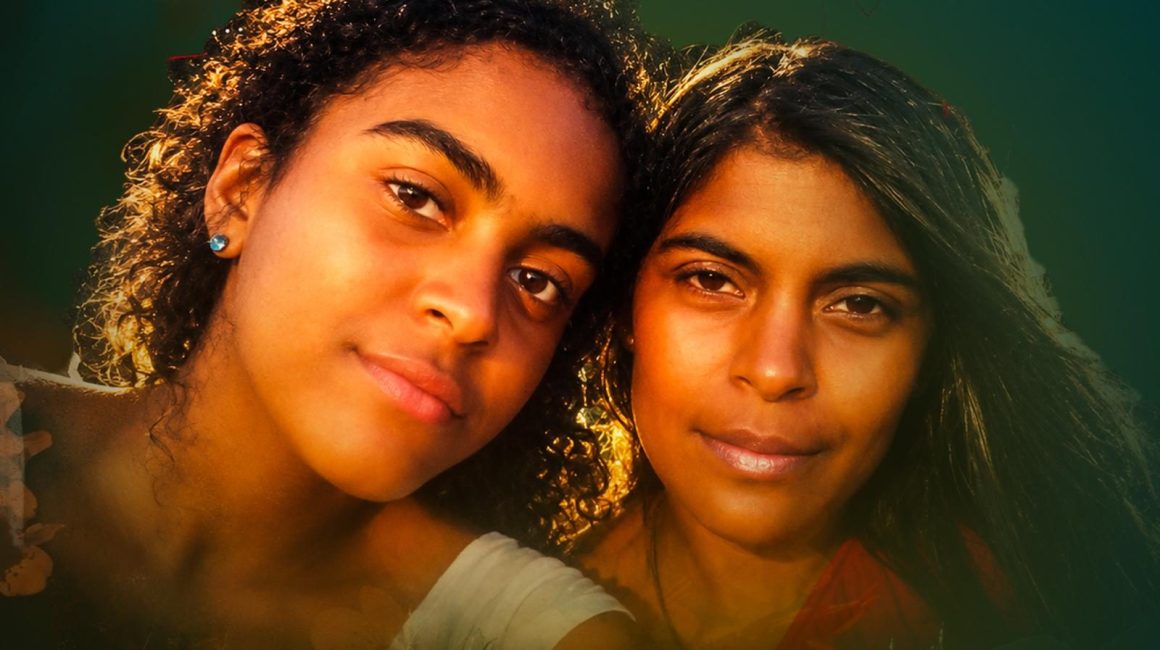
Sharmila traces a turning point to 2013, when she posted a YouTube video and publicly identified herself as an artist. She says that declaration was followed by years of separation from her daughter and a prolonged struggle to make her voice heard. Speaking from her experience as a woman of color and a single mother, she describes claiming an artistic identity in the Netherlands as taboo, a perspective that informs the concerns behind “Censorship.”
Her daughter, Tanisha, remains central to that story. Having accompanied her mother to recording studios and performances from an early age, Tanisha became a singer-songwriter herself and composed music on keyboard. She died in 2021; in speaking about her daughter’s loss and the silencing she believes they both experienced, Sharmila describes Tanisha as “silenced forever.”

That remembrance also shapes “Golden Heart,” her tribute to Tanisha, which arrived on August 28, 2026 alongside “Right And Wrong,” “Human Race” and “No Music On Mars.” Those four singles explore grief, fairness, creative freedom and humanity’s shared future. With “Censorship” following less than six weeks later, the five-song run moves between family memory and broader questions about whose voices are heard.
Through that sequence, Sharmila continues to write and release music while speaking up for freedom of expression. “Censorship” gives those concerns a direct title and a place in her growing body of work, asking listeners to consider the human cost of a voice going unheard. The single is available on Spotify, with an accompanying lyric video on her YouTube channel.
Related Stories
ARGYRO Turns Hollywood Glamour Into a Pop-Rock Character Study on “She’s So LA”
ARGYRO’s “She’s So LA” pairs Denver-made pop-rock with Hollywood fascination, Damon Wood’s guitars and a video directed by...
David Naïve Captures the Chaos of Becoming on ‘Maiden, Post-Vïe’
David Naïve’s Maiden, Post-Vïe is a bold debut that captures an artist navigating identity, uncertainty and the...

Jay Deru Finds Strength in Restraint on ‘Skyscrapers’
Jay Deru’s Skyscrapers is a confident and considered project from an artist clearly comfortable in his own sound....