






































Here we are, ladies and gentlemen, locked inside the great digital carnival, grinning at strangers while the machinery quietly chews up whatever remains of our attention spans. Everybody is a hero now. Everybody is enlightened. Everybody has found inner peace beneath a flattering sunset, provided you ignore the ring light, the sponsorship agreement, and the forty seven rejected photographs.
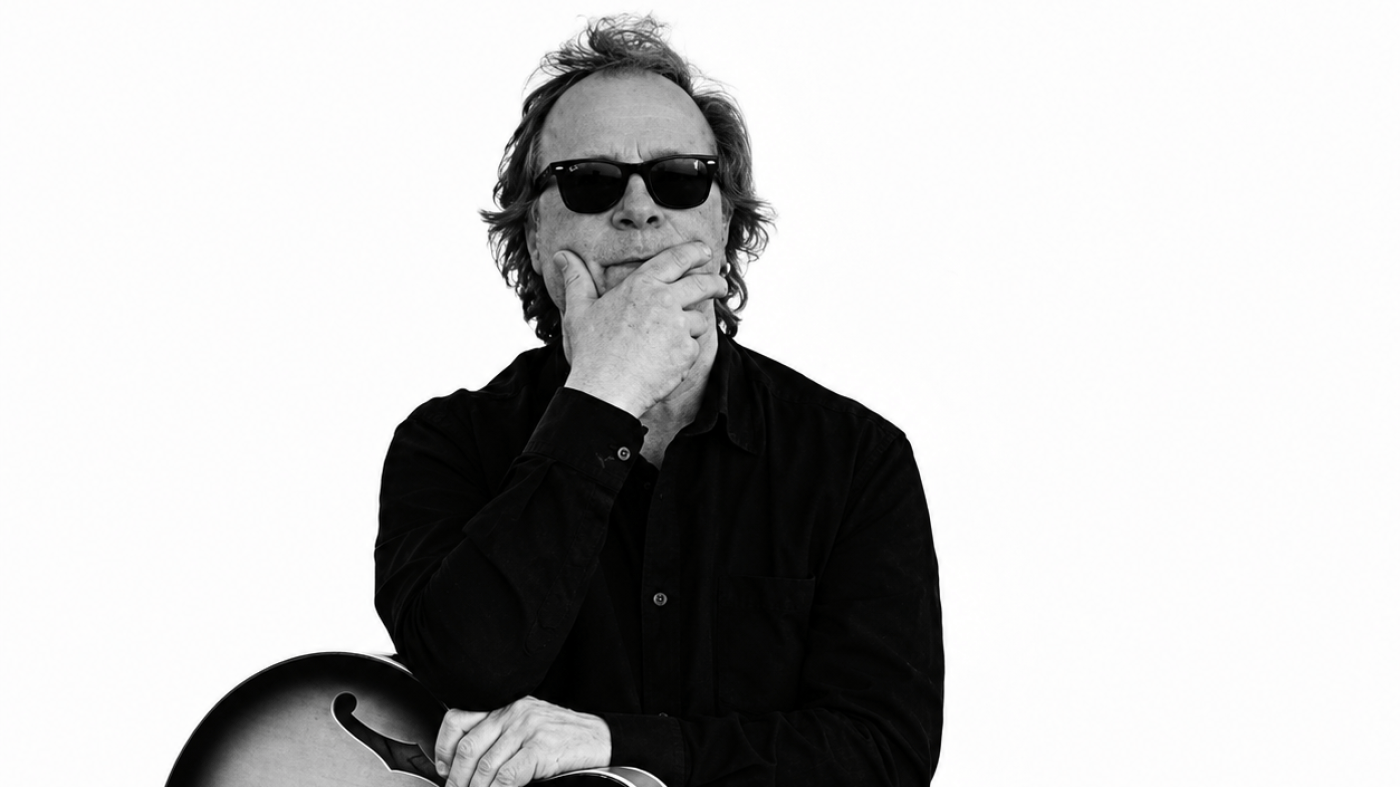
Then Harry Kappen comes along with “Good Samaritans” and kicks the scenery over.
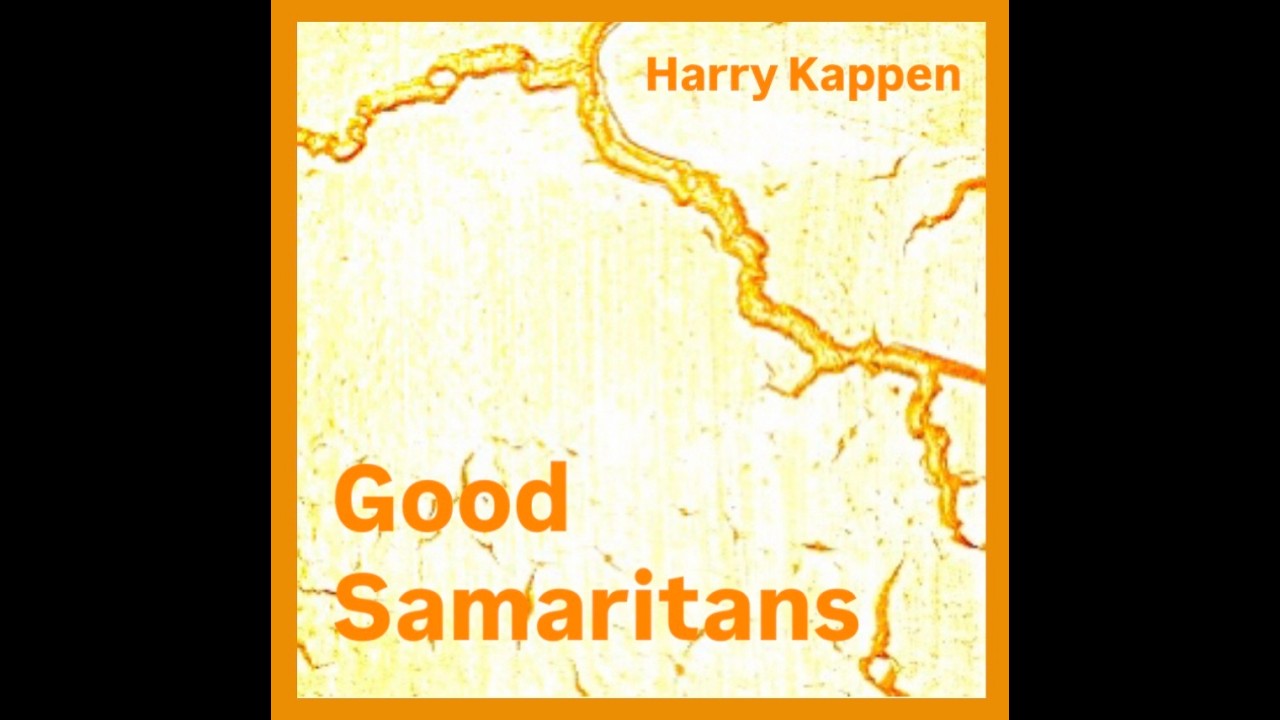
Taken from his album After the Crossing, the single is a firm, energetic rocker aimed at the distance between looking virtuous and doing something useful. Kappen is not fooled by polished declarations of concern, motivational slogans, or the parade of self appointed superheroes clogging the feed. He wants to know who will stop in the rain when another human being is hurting.
That question sounds embarrassingly basic until you notice how many people refuse to answer it.
“Buy this dream and you’ll be whole,” Kappen sings, reducing the modern happiness industry to a single rotten promise. The line could advertise a luxury car, a wellness retreat, a political movement, or toothpaste made from ethically sourced moon dust. The product changes; the pitch remains the same. You are incomplete. We have the cure. Enter your credit card number.
The verses pile up the evidence: flashy words, perfect angles, filtered pain, plastic smiles, sculpted skies. Every life becomes a campaign, every emotion a potential asset. Even tears require proper lighting before they can be converted into champagne. We are no longer merely living badly; we are producing glossy documentaries about how brilliantly we are doing it.
Kappen’s rock arrangement supplies muscle without turning the message into a lecture delivered over polite acoustic strumming. He has acknowledged David Bowie as an influence on “Good Samaritans,” and the connection fits. Bowie understood that identity could be theater, transformation, and liberation. Kappen examines what happens when the theater never closes and everybody becomes trapped inside the character they created for public consumption.
Then the chorus arrives and introduces the people who are absent from this pageant. Good Samaritans stop, help, listen, and share another person’s pain. They are “unseen” and “never trending,” which may be the strongest evidence that they are accomplishing anything worthwhile.
Mexican singer Danna Gomez joins the chorus, helping transform Kappen’s indictment into a communal statement. Her presence also reflects the new chapter surrounding After the Crossing, the first album Kappen recorded after relocating from the Netherlands to Mexico. He performed, sang, and produced the album himself, but Gomez adds the human plurality this particular song demands.
And Kappen understands that compassion is not some decorative abstraction. A trained music therapist, he spent more than two decades working in youth care and later taught in an international master’s program. He has presumably encountered pain that could not be fixed with a hashtag, a slogan, or an inspirational photograph. Real empathy requires time. It might ruin your schedule. It rarely improves your brand.
“Simple hearts choose to stay / When the rest walk away,” he sings. The lines have no fashionable ambiguity. They do not invite listeners to congratulate themselves for understanding a clever metaphor. They ask whether we will remain when remaining becomes uncomfortable.
“These saints don’t wear capes,” Kappen concludes. Of course they do not. Capes are impractical in the rain, and saints generally have work to do.
“Good Samaritans” is earnest, loud, and gloriously uninterested in pretending that cynicism constitutes intelligence. It does not offer an app, a lifestyle, or a subscription plan. It offers an old idea that feels nearly revolutionary again: another person’s suffering matters, even when nobody is watching you care.
Related Stories

Darshae Kiér Stops Checking the Rear-View on ‘This Path’
Darshae Kiér found music more or less by accident. His new single ‘This Path’ is the most outward-looking...

Sanjay Michael Celebrates Classic Rock with ‘Baby Baby’
On ‘Baby Baby’, Singapore-based singer-songwriter and guitarist Sanjay Michael looks to the golden age of rock for inspiration,...

I SWIM WITH SHARKS INC. IS ASKING INDEPENDENT ARTISTS A QUESTION THE INDUSTRY OFTEN AVOIDS: ARE YOU ACTUALLY READY?
The independent music industry has become increasingly accessible, but access and readiness are not the same thing. An...