










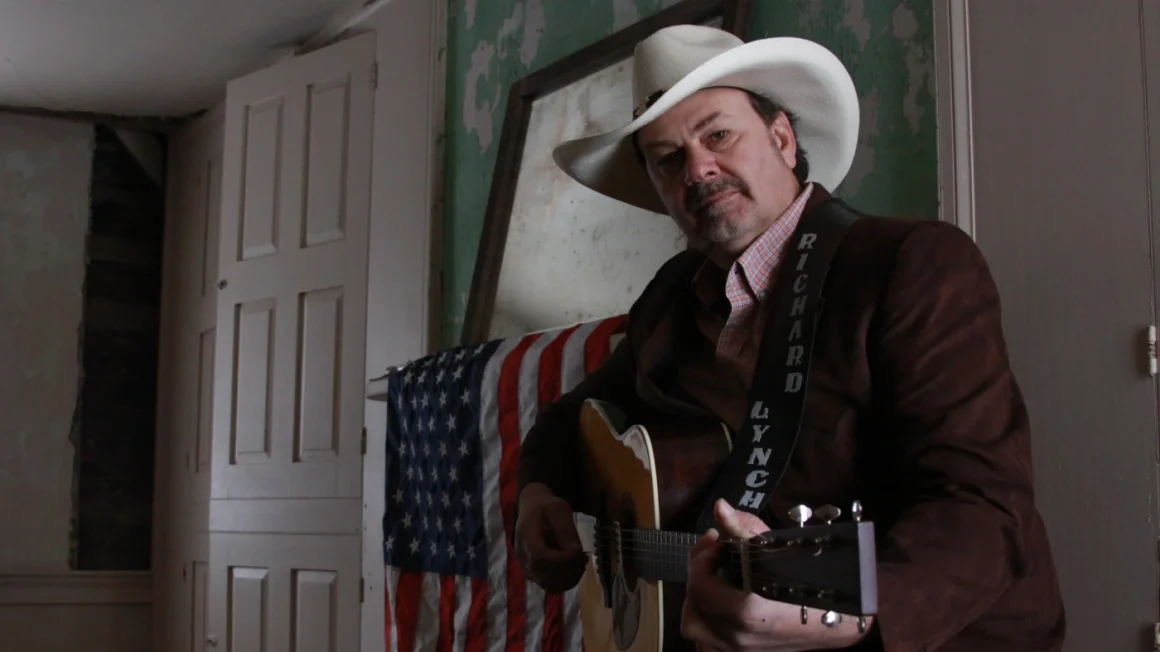














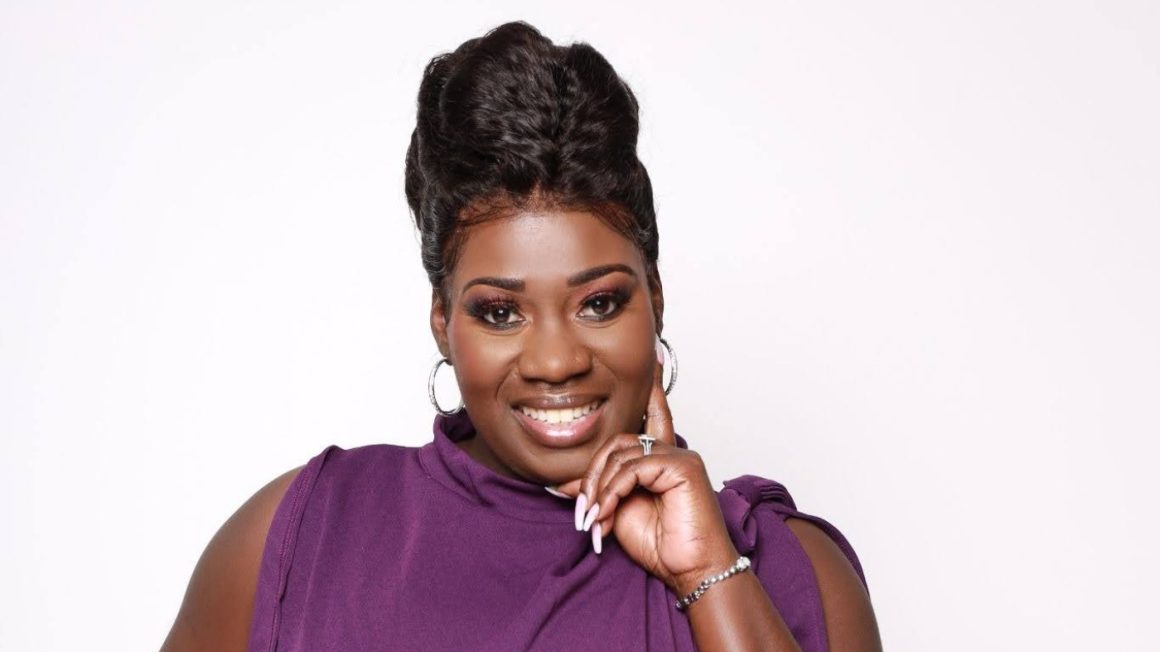





The Carpenter’s. That was the name of the family gospel band, and the apostrophe was not an accident. It was not the famous Carpenters either, a point Candi Carpenter makes with some patience, but the detail they clearly treasure is that the family was fully serious about the apostrophe. There is something touching in a small punctuation mark defended with that much conviction. It tells you Carpenter grew up among people who meant every last thing they did, right down to the spelling on the poster.
Carpenter has lived several lives since then, and it helps to take them in order, because each one explains the next. They were a Christian Missionary Alliance pastor’s kid, raised on the circuit of churches across the Midwest, singing with the family band from an age when most children are still learning hymns by mouthing along. Their own bio describes this period as child “prodigy???” gospel singer, and those three question marks do a great deal of work. They suggest someone who was told they were special and has spent years wondering what exactly that word cost. Somewhere in there they also became a champion yodeller, which is the sort of fact that ought to be in every profile of anyone who has ever achieved it.
Then they left. Carpenter dropped out of high school and moved to Nashville, which in the version of America they grew up in would have been the natural next room in the house: from the church to the Opry, from sacred music to the country music that shares so much of its bloodline. They toured with Grand Ole Opry legends. They came through what their bio calls a nearly deadly showbiz childhood, a phrase delivered without any self pity, and the plainness of it is its own kind of strength. They landed a Billboard country single. Eventually they made their own Grand Ole Opry debut, which for a child of gospel singers must have felt like walking up the aisle of the biggest church in the country.
Along the way they collected a compliment most songwriters would have framed and hung above the bed. Dolly Parton called Carpenter “one of the greatest singer-songwriters I’ve ever heard, bar none.” It is worth sitting with that for a moment. Parton has heard everybody. She does not need to say anything about anyone, and “bar none” is not a phrase people use lightly in Nashville. Brandi Carlile, for her part, said Carpenter has “a voice that is honestly out of this world,” which is a lovely thing to hear from someone who knows a voice when she meets one.
So by any ordinary measure the story could have stopped there, with a country career and a blessing from Dolly. It did not, because Carpenter is queer, autistic and non-binary, and the world they came from had very firm views on all of that. The next life was the one where they took the faith apart. In 2024 they released their alt-pop debut, Demonology, a full-length album their fans have since enshrined as an indie cult classic. The title alone tells you where their head was. You do not call your first album Demonology unless you were raised to believe demons were real and have decided to look one in the eye.
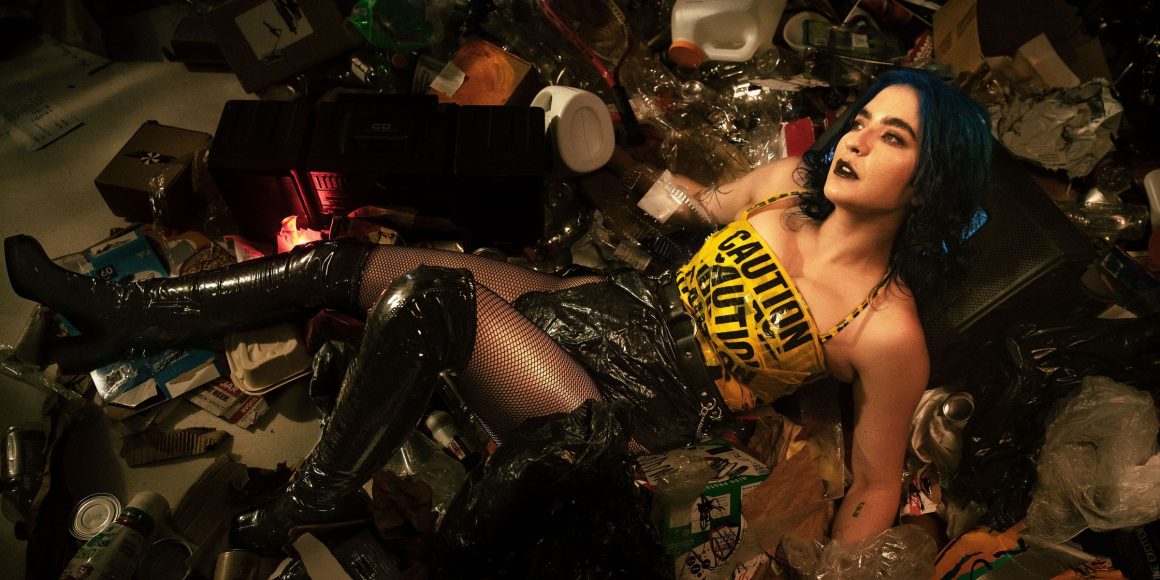
Reincarnation, out since 11 September 2026, is the EP that follows, and this time the genre is alt-rock. Carpenter’s own explanation of the move is the most generous key to the whole record: “This EP was my chance to try on the genres I wasn’t allowed to explore growing up in the church.” I find that sentence moving. It treats rock and alternative music as clothes in a dressing room, things you are finally permitted to pull on and see in the mirror, rather than as a statement of war. There is anger on the record, certainly, but the impulse underneath it is curiosity, the same curiosity a teenager in a strict house might feel about the records hidden at a friend’s place. Carpenter simply waited longer than most to get to them, and arrived with a voice that Dolly Parton had already vouched for.
The six songs read like six rooms that Carpenter was once told to keep locked. The title track opens the EP on the idea that about one percent of a person’s cells die every day, and from there to the conviction that they are “a different person every single day,” which is a fine way to describe a life with this many chapters. “Little Freak” takes on capitalism and the sense of being used up, then turns it into a love song in which the only acceptable thing to be consumed by is another person. “The Fear of Being Human Remains” argues that death is not the frightening part; being alive inside a body is. “Inside the Simulation” goes back to the evangelical childhood, where dying carried the possibility of eternal punishment, and decides that love might be the realest thing in a world that may not be real at all.
The song I go back to most is “Biblically Accurate Angel.” Anyone who has seen the internet’s renderings of what angels look like in scripture, all wheels and wings and eyes, will understand the joke in the title, and Carpenter turns it into something tender. The angel here is a woman who looked at them so deeply it felt as though she were covered in eyes, and the feeling she gave them was the one their childhood church called a sin. It is the clearest example on the EP of what Carpenter does best, taking the vocabulary they were raised with and putting it to a use the people who taught it to them never intended. The words stay holy. They just point somewhere new.
“American God” closes the EP at its most confrontational, ending on the declaration “I am my own church.” For a performer who grew up singing in other people’s churches every weekend, that line lands with real weight. It is not a rejection of the sacred so much as a change of address.

What strikes me most, having spent time with Reincarnation, is how much of that original family seriousness has survived the journey. Carpenter left the faith, the band, the Opry stage and the country charts, and kept the conviction. These are songs written by someone who means every word, who believes the stakes are as high as they were told as a child, and who has simply decided that the soul worth saving is their own. The family that would not give up its apostrophe raised a person who would not give up themself, and the EP is the sound of them finally trying on everything they were told they could not wear.
Spotify | Instagram | TikTok | YouTube | Facebook | Website
PR: Decent Music PR
Related Stories
Melody Briar’s debut opens at the sea and ends in a desert still blooming
Melody Briar's Green Aventurine moves through sadness, anger, guilt and tenderness across 16 piano led songs, refusing the...

Ramirez Explains the Luxury Inspiration Behind New EP ‘Brabus & Lorinsers’
Ramirez (@ramirez_187) is a San Francisco rapper who puts depth and meaning into everything he creates. He recently...
Kelsey Feral read her ex’s 30 philosophy books to write her breakup album
Kelsey Feral turns an unwashed bedsheet saga into ‘Pillowcase’, a darkly funny pop single about excuses, hindsight and...