






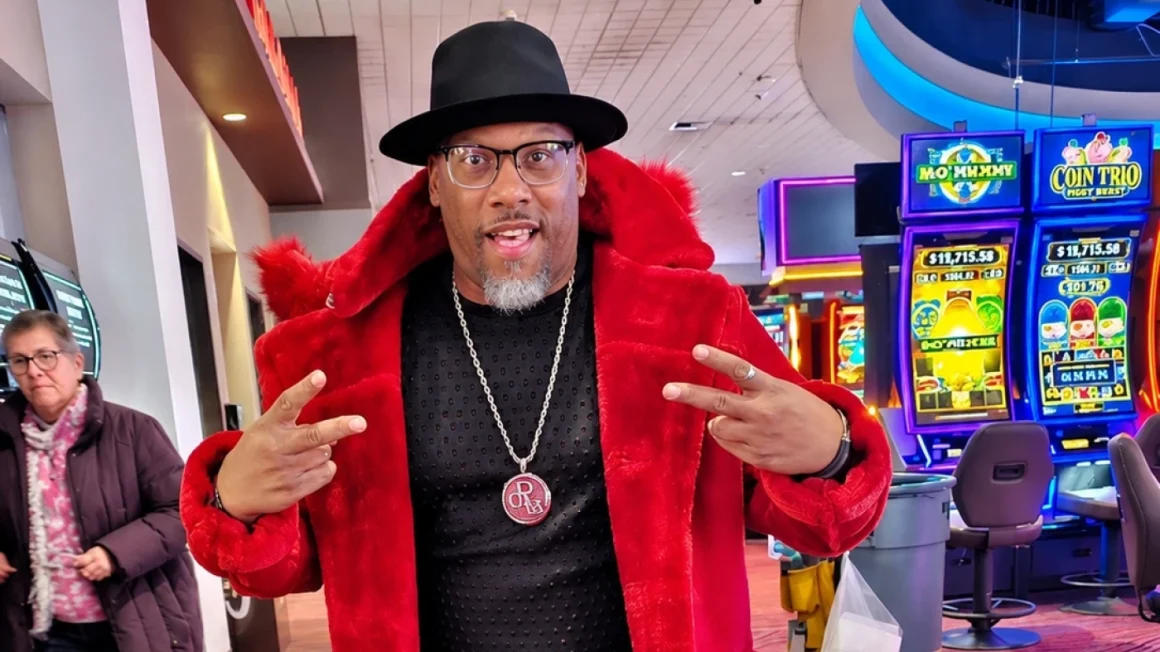

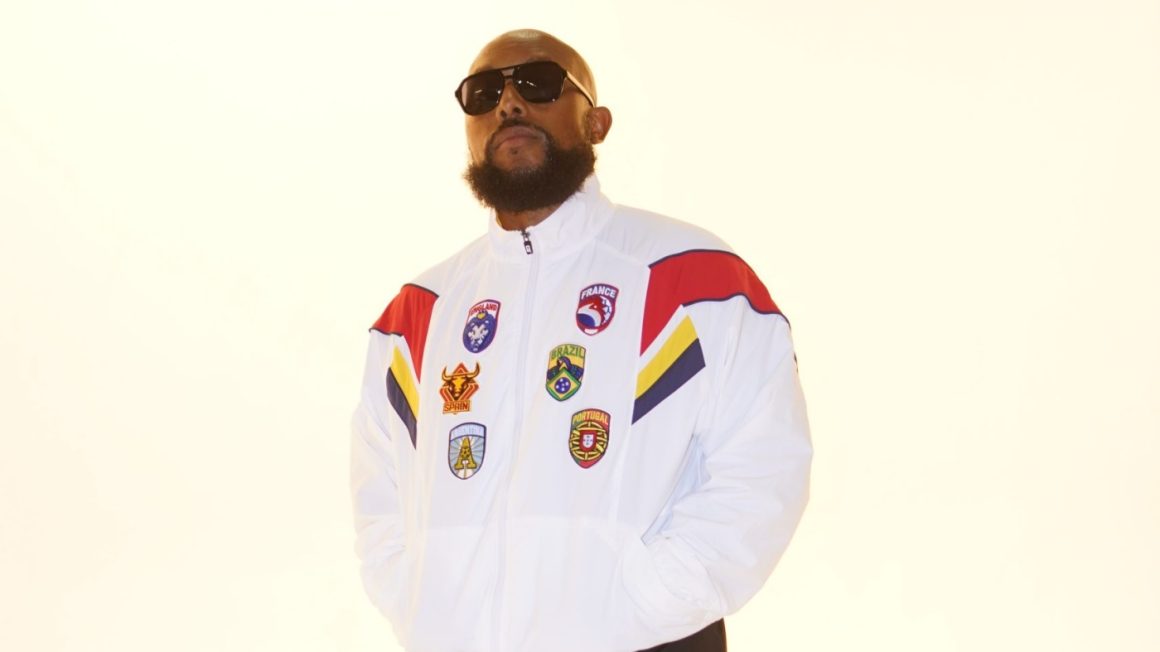







There is a moment in every artist’s career when experience stops being something measured in years and starts becoming part of the music itself. For DPB, that experience can be heard all over “God Mode,” a bold Christian hip-hop anthem that combines spiritual conviction, motivational energy and the confidence of an artist who has spent more than three decades understanding exactly why he makes music.
“God Mode” is part of DPB’s 2026 album Undefeated, but the song’s history stretches back further. Originally released in 2022, the track has been given renewed attention through the album and DPB’s latest radio campaign. It follows the success of “Back in the Day,” his nostalgic celebration of faith, family and childhood that reached No. 1 on the National Radio Hits AC40 chart. “God Mode” has generated momentum of its own, climbing to No. 2 on Christian Music Weekly’s Rhythmic Airplay chart.
But numbers only tell part of this story.
What makes “God Mode” memorable is the concept.
Borrowing its title from video-game terminology, DPB takes the familiar idea of activating a mode in which a player possesses extraordinary power and reimagines it through Christian faith. Rather than presenting himself as invincible, DPB argues that believers have access to something greater than their individual abilities.
The song crystallizes that message in one unforgettable phrase: “Jesus Christ is the God Code.”
It is clever enough to work as a hip-hop punchline while remaining simple enough to communicate the entire philosophy of the record.
DPB has said that “God Mode” grew from a dream he experienced after praying for direction. The message he took from that experience was that believers can spend so much time asking God for future strength that they fail to recognize the spiritual authority they already possess.
That premise gives the record an unusual urgency.
DPB isn’t waiting for something to happen. He’s declaring that it already has.
Musically, “God Mode” lives at the intersection of hip-hop anthem and revival meeting. DPB delivers lines about healing, freedom, deliverance and spiritual transformation with the force of an MC working a crowd. The repetition isn’t accidental. Phrases return until they begin functioning like chants, turning the track from a conventional rap performance into something designed for audience participation.
Hip-hop and gospel have long shared this ability to make repetition powerful. The rapper calls; the audience answers. The preacher makes a declaration; the congregation responds. DPB understands both traditions and allows them to collide.

That also explains why his confidence never feels entirely self-directed.
Hip-hop has always celebrated the boast. The MC is richer, stronger, sharper, more talented or more dangerous than everybody else. DPB borrows that confidence while changing its source. His message isn’t that he is unstoppable. It is that his faith has changed his understanding of what can stop him.
For a veteran artist, that’s a compelling distinction.
DPB—David Paul Brooks—has been involved in Christian hip-hop for more than 30 years, including his earlier work with D.O.C. (Disciples of Christ). His career has taken him from gospel roots to stages alongside major artists while expanding into ministry, motivational speaking, entrepreneurship and youth outreach.
Undefeated feels like a culmination of those identities rather than merely another album. “God Mode,” in particular, suggests that DPB is increasingly interested in building ideas around his music rather than simply releasing songs.
That ambition could soon become literal.
The gaming terminology behind “God Mode” has inspired discussions about developing the concept into a video game, creating an interactive environment in which themes such as faith, perseverance, choices and overcoming adversity could become part of the player’s experience. A potential television spinoff has also been discussed, opening another avenue for characters and stories inspired by the larger concept.
Neither should be mistaken for a formally announced finished production yet. But their possibility reveals something important about where DPB sees his creative future.
In today’s independent music landscape, a song doesn’t necessarily have to end when the final note plays. It can become a story, visual identity, game, series, community or larger piece of intellectual property.
And “God Mode” happens to be unusually suited to that expansion.
Its title already sounds like a game. Its message provides the mission. Its lyrics establish the philosophy. Its larger Undefeated context supplies the theme of overcoming seemingly impossible circumstances.
The most interesting thing about “God Mode,” then, may ultimately be what happens after the song.
DPB has created a Christian hip-hop track with enough energy to function as a radio single and enough conceptual depth to potentially become something much larger. After decades in music, he isn’t simply looking for another stream or another spin.
He’s building another world.
And with “God Mode,” the game may only be getting started.
Related Stories

ARGYRO’s Glitterati Turns Fame, Fantasy and Escape Into Cinematic Pop Rock
There is something wonderfully appropriate about calling an album Glitterati in an era when nearly everyone is performing...
Radiola Step Into Their Own World On ‘Version Of Life’
Fresh from a sold-out BBC Introducing showcase at King Tut’s, Paisley outfit Radiola arrive with Version of Life,...
ROWEN: From the Back of the Stage to the Middle of the Wreckage
For years, Rowen was most comfortable in countless bands behind a drum kit or occasionally holding down the...