









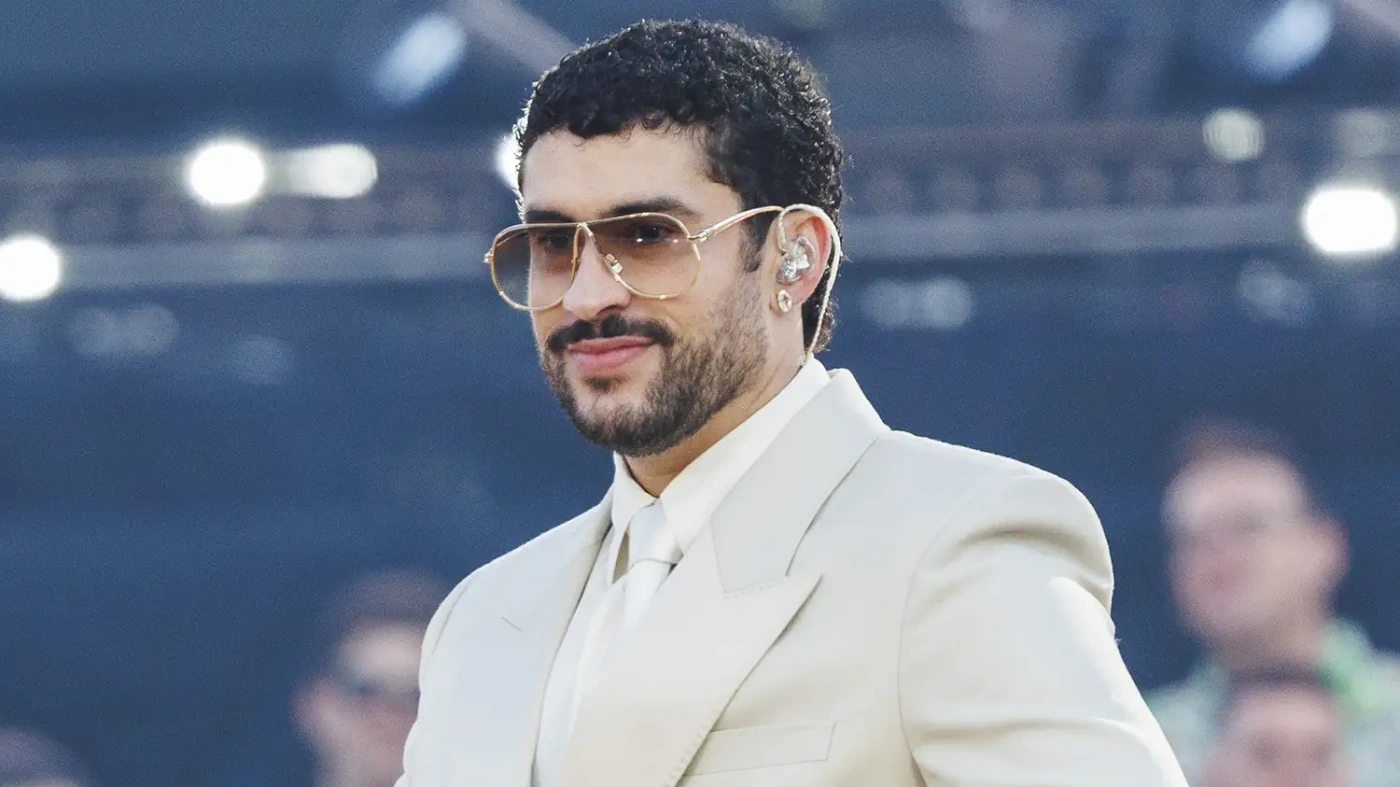
Bad Bunny will have to cover his own legal bill after a federal judge rejected his bid to recover more than $465,000 from a former plaintiff in a failed copyright case.
Bad Bunny has been denied a request to recoup $465,612 in attorneys’ fees stemming from a copyright lawsuit over his 2022 song “Enséñame a Bailar.” U.S. District Judge Otis D. Wright II declined to make emPawa Africa pay the bill, finding that the company’s claims were objectively reasonable even though the underlying case ultimately fell apart.
According to Complex, Wright also found no evidence that emPawa brought the action with an improper motive. Bad Bunny’s lawyers had argued that the lawsuit was meritless from the beginning and accused the company of pursuing an undeserved multimillion-dollar settlement while creating unnecessary legal costs and negative publicity.
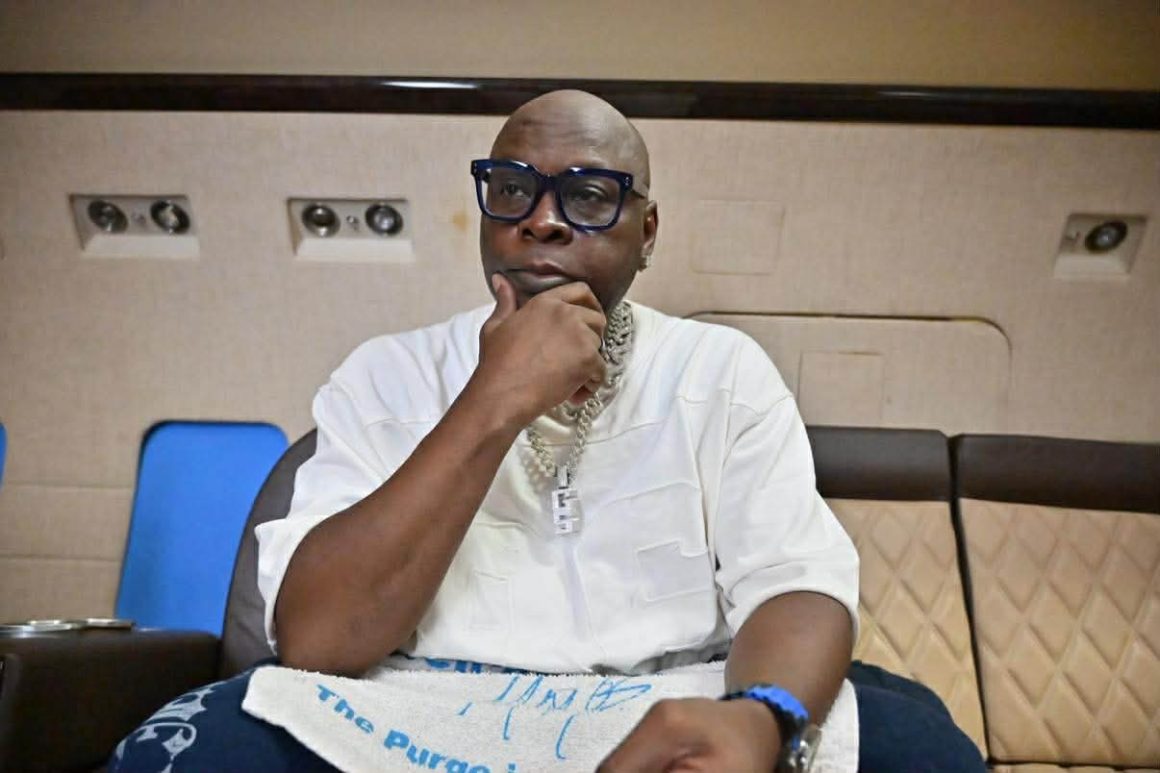
The dispute centered on “Enséñame a Bailar,” a track from Bad Bunny’s blockbuster 2022 album Un Verano Sin Ti. Nigerian producer Ezeani Chidera Godfrey, professionally known as Dera, and emPawa Africa alleged that the song used material from “Empty My Pocket,” a track Dera produced for Joeboy, without proper authorization.
Bad Bunny’s side did not dispute that the recording contained sampled material, but maintained that the necessary rights had been obtained through Lakizo Entertainment. In rejecting the fee request, Wright pointed to the unresolved clearance question and concluded that forcing emPawa to pay the defense costs could discourage parties from bringing potentially valid intellectual-property claims to court.
The copyright case itself did not end with a ruling on whether Bad Bunny infringed the song. emPawa Africa was dismissed as a plaintiff after missing court deadlines, while Dera later failed to appear for a discovery hearing and missed another deadline to move the litigation forward. On March 9, 2026, Wright dismissed the remaining case with prejudice after determining that it had effectively been abandoned.
Bad Bunny and several co-defendants then moved to recover their legal costs from emPawa, seeking the $465,612 total later that month. The latest ruling leaves that request denied while also making clear that the collapse of the lawsuit was not the same as a judicial finding that the original copyright allegations were baseless.
Related Stories
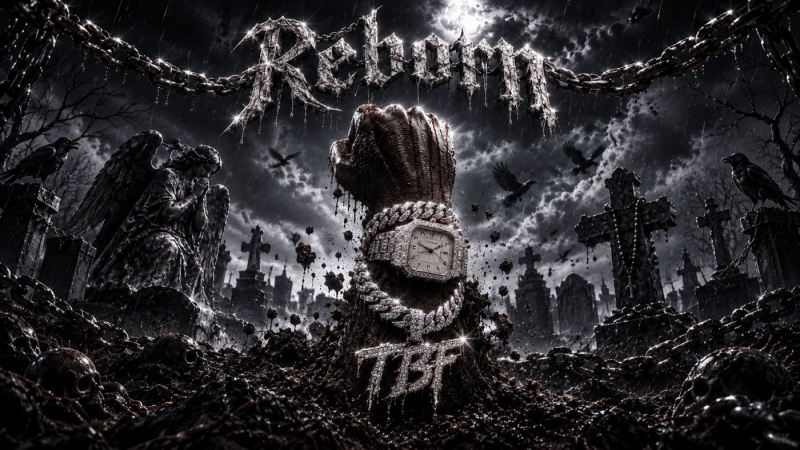
TorchBinFinessin Makes Personal Growth the Focus of Upcoming Album ‘Reborn’
TorchBinFinessin’s Reborn arrives October 20, 2026, with a concept rooted in survival, reflection, and a new chapter for...
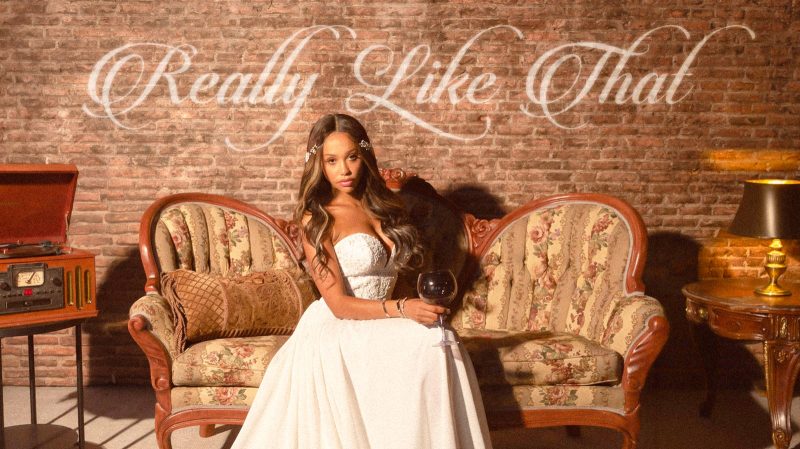
Inside Kalabrya’s Creative Expansion, From Business Ownership to “Really Like That”
With a major rebrand underway, growing interests in music, fashion, beauty and lifestyle, and a romantic single planned...
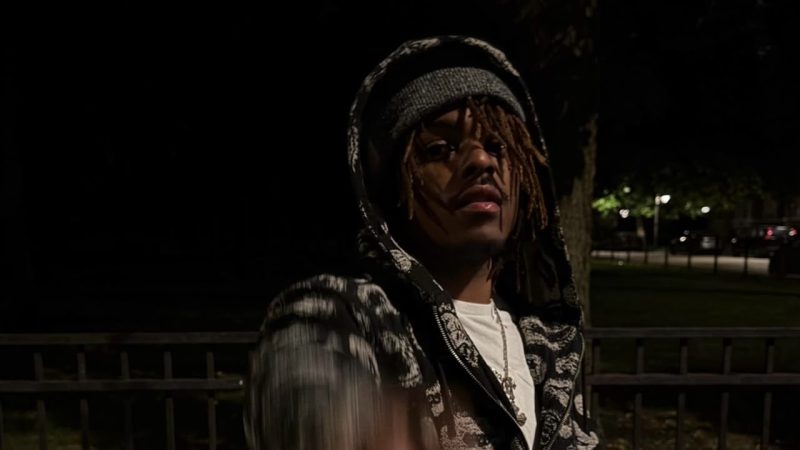
From Athlete to Artist: ADOREE AK Prepares to Release Lost In The Void
Long before ADOREE AK began preparing to release his music, he was building a life around athletics. The...