




























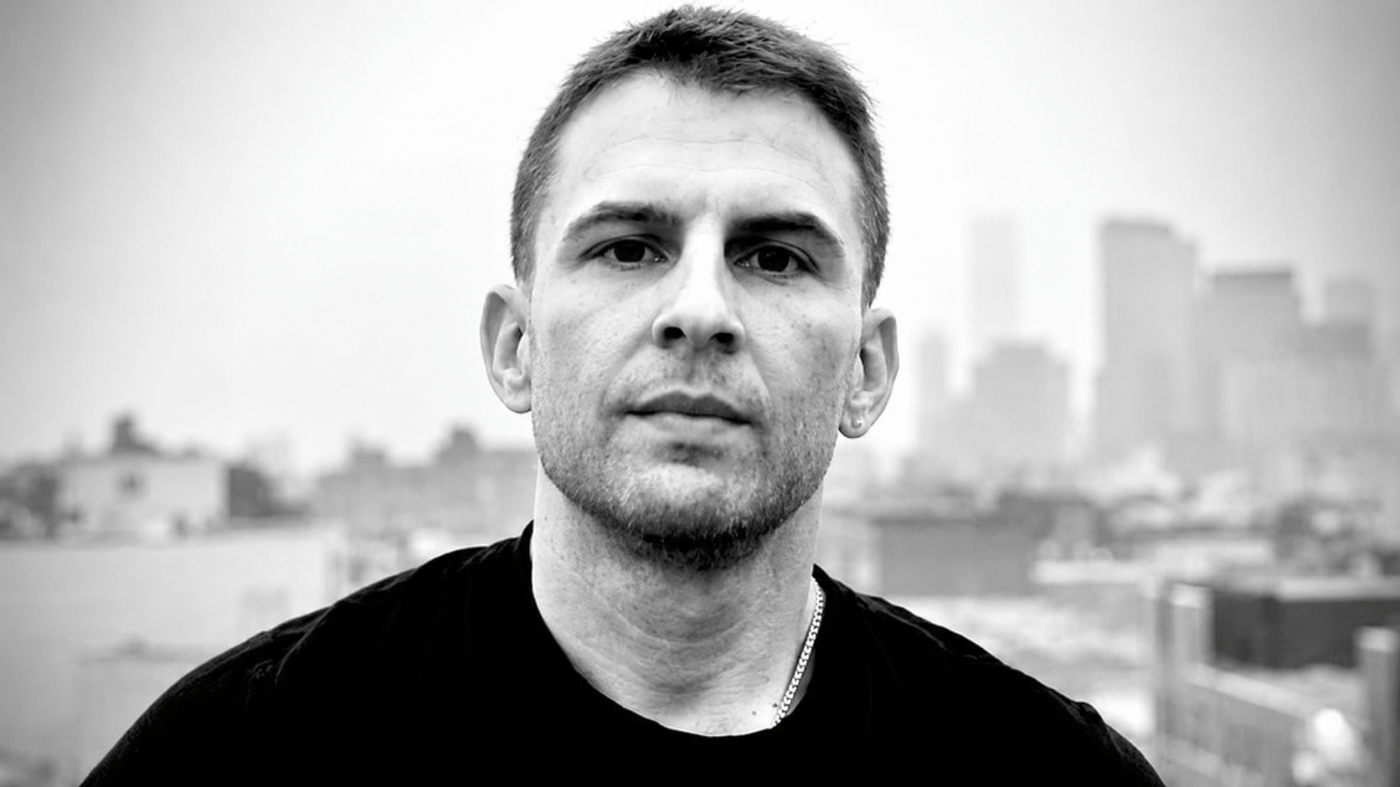
Atticus Kane’s “Love Me Not” takes an unlikely source of inspiration and turns it into a compelling study of belonging. Born in Budapest and now based in Brooklyn, the itinerant songwriter transforms a string of anti-immigrant political robocalls into a fast-moving piece of indie rock that asks what it means to love a country while remaining clear-eyed about its contradictions. It is an unusually intimate way into a subject that is often discussed in abstract political terms.
What gives the song its emotional weight is Kane’s refusal to settle for either idealisation or rejection. His idea that loving America means being willing to criticise it becomes the foundation of the song, allowing affection and frustration to exist side by side. The recurring tension of “love me, love me not” becomes more than a clever phrase. It captures the uncertainty of belonging to a place that can inspire both profound attachment and profound disappointment.
Musically, Kane keeps the song urgent and accessible. The brisk, rocking arrangement gives his reflections a restless momentum, while the songwriting carries echoes of the observational indie rock of Courtney Barnett, the social consciousness of Sam Fender and the melodic immediacy of Declan McKenna. Yet Kane’s own experience remains at the centre, giving the track a perspective that feels lived rather than constructed.
Ultimately, “Love Me Not” is most persuasive when it refuses easy conclusions. It does not present dissent as the opposite of patriotism, but as evidence that belief can survive scrutiny. Kane’s vision of America is imperfect, argumentative and hopeful, and that complexity makes the song resonate well beyond its political starting point. It is a thoughtful piece of indie rock that understands criticism not as abandonment, but as a form of commitment.

Find Atticus Kane: Instagram, Spotify, Website
Related Stories

Beyond the Single: Big Bank Homie Builds BBMG Around “NightCrawler”
With “NightCrawler” and the completed 12-track Free Dymook project, Big Bank Homie is connecting his Detroit music career...
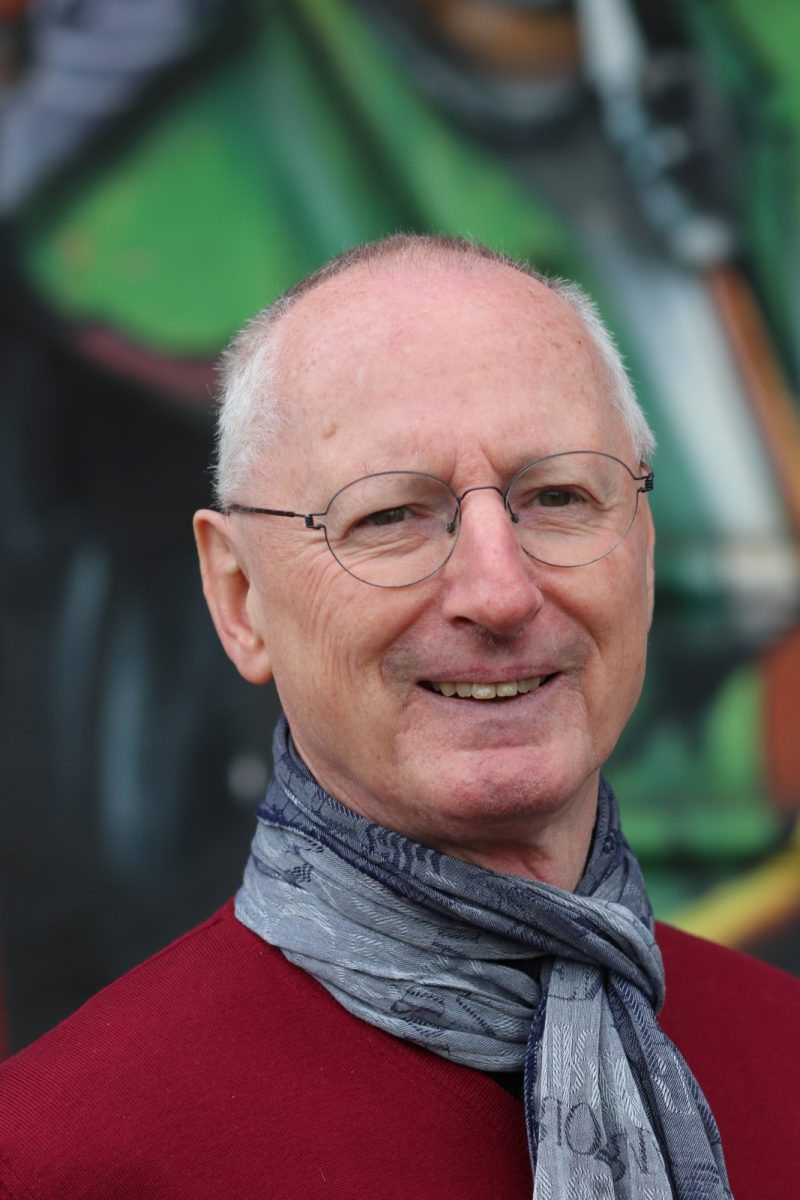
Berthold Kusserow sets Corona crisis grief in A minor, at 90 bpm
“Feel the Rain” sets lyrics of pain, guilt and shame from the Corona crisis against music meant to...
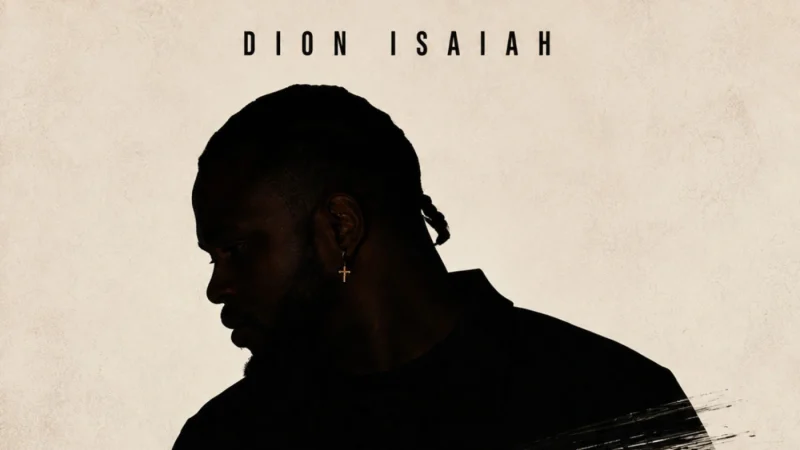
Dion Isaiah Makes Room for Love and Reinvention on New Single “Changing”
South Carolina-born, Norway-based singer, songwriter and producer Dion Isaiah’s new single “CHANGING” is out now. Released on October...