


















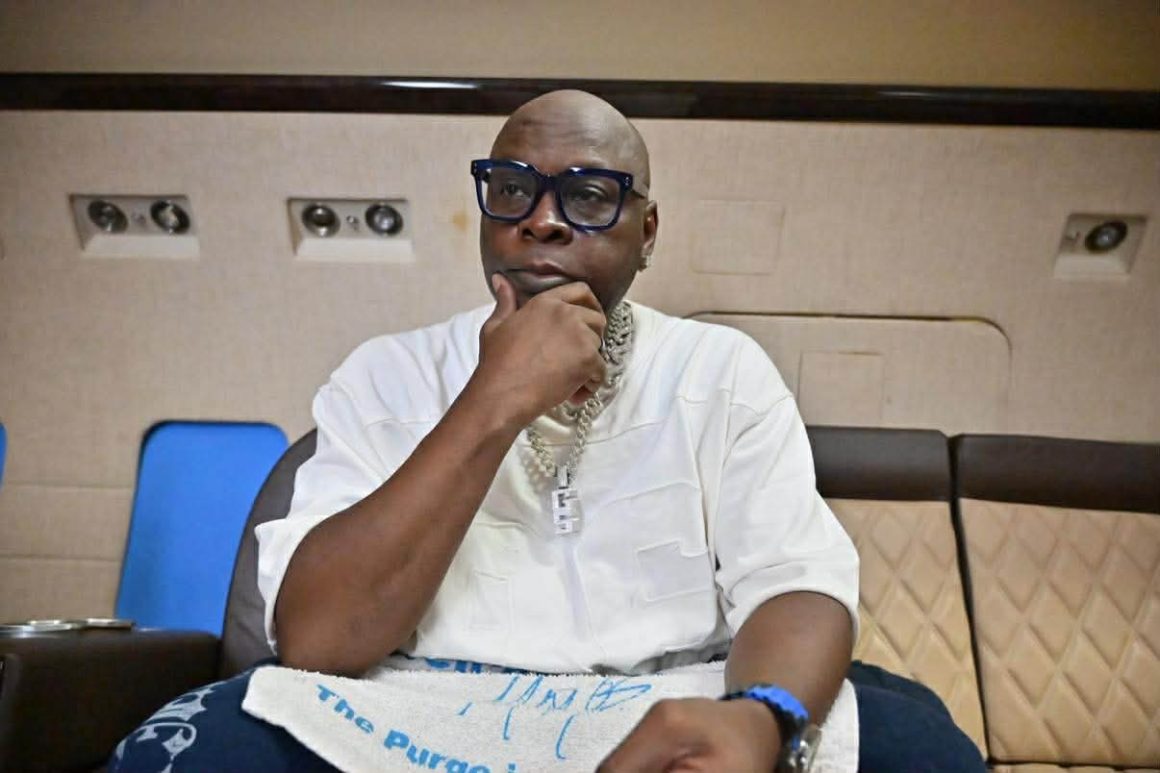

For Delvin Wright, music has always been about more than simply singing a song. His journey began in church choirs and local talent shows, where the growing demand for his voice revealed that his gift was connecting with people on a deeper level. What started with simple love letters eventually developed into purposeful songwriting and a calling to use music as a vehicle for expression, faith and resilience.
Today, Delvin is building his career as an independent contemporary gospel artist while balancing the demands of life on the road as a truck driver. His unique journey has given him plenty of time to reflect, create and turn real-life experiences into music. Influenced by the vocal harmony and style of legendary 90s R&B groups, Delvin brings a classic sensibility to today’s musical landscape while remaining focused on faith and purpose. In this conversation, he discusses his creative process, the challenges of being independent, the song that represents him best, his vision for the future and his plans to create opportunities for other artists.
When did you first realize singing was more than just a hobby for you, and what was the moment that made you say, “This is it”?
I started singing in church choirs and local talent shows, and over time, people kept requesting me to come sing more and more. Seeing that demand grow made me realize that my voice was truly connecting with people on a deeper level.
It was a natural transition of growth. I went from writing simple love letters to writing full, purposeful songs, and that’s when I knew this was my life’s calling.
When you’re creating music, do you start with the melody, the lyrics, the beat, or a feeling you want to capture?
My process almost always starts with a specific feeling or emotion that I need to get out of my system.
Working as a truck driver gives me a lot of solo time on the open road, which has become my ultimate space for reflection and songwriting. Once an emotional core or message becomes clear during those long drives, I find a melody that matches the mood.
From there, I build out the beat and fine-tune the lyrics to tell the story perfectly.
Which artists or life experiences have shaped your singing style the most, and how can listeners hear those influences in your music?
Growing up, I was heavily inspired by the gold standard of 90s R&B groups that brought undeniable style, smooth delivery and legendary vocal harmony—especially groups like Jodeci.
That foundation taught me the power of blending raw, passionate lead vocals with rich, layered backing harmonies. Even though I create contemporary music, listeners can hear that influence in the arrangement of my background vocals and the clean, rhythmic texture of my vocal layers.
If someone had never heard your music before, which one song should they start with, and why?
You should start with my track “Lord, I’m Ready.”
This song perfectly balances my vocal range, my production style and the core message of resilience that runs through all of my music. It gives you a complete picture of who I am as an artist in under four minutes.
What’s the hardest part about being an independent artist, and how do you find the strength to keep pushing forward?
The hardest part is managing the balance between everyday life, staying creatively inspired and learning the entire backend of the business.
Juggling long hours as a truck driver while pushing an independent music career takes intense dedication. I find the strength to keep going through my faith, the supportive messages I receive from listeners and knowing that every mile I drive is funding a much bigger purpose than just myself.
You’ve probably lived through moments your fans don’t know about—what’s one personal story behind a song that changed how you see life or music?
There was a period right before things started picking up where I felt completely burnt out and considered walking away from music entirely to find a stable routine.
I channeled that heavy exhaustion into a raw acoustic demo late one night. It was raw and unfiltered. Hearing that pain back made me realize that music isn’t just an option for me—it is my survival tool.
That experience changed my view of life by proving that our lowest points often hold our most honest creative work.
How do you feel about the current state of R&B and vocal music, and where do you see yourself fitting into today’s musical landscape?
Music right now is constantly evolving, but sometimes today’s landscape lacks the distinct group identity, tailored style and tight vocal harmony that defined the best eras of music.
Often, the focus shifts so heavily toward atmospheric production that the raw vocal performance and classic storytelling get pushed into the background.
As a contemporary gospel singer, I see myself injecting that classic, intentional craftsmanship back into modern music. I bring the depth of classic harmony and a sharp sense of style to today’s sonic landscape, making sure the soulful, faith-forward vocal execution remains front and center.
What’s the most misunderstood thing about you as an artist or person, and how does your music help set the record straight?
People often assume from my stage presence or intense songs that I am deeply serious, unapproachable or always melancholy.
In everyday life, I’m actually quite introverted, private and love a good sense of humor.
My music handles the heavy emotional processing so that I don’t have to carry it around in my day-to-day life. The songs are the safe space where I put my vulnerabilities, allowing my true and complex self to clear the air.
When people talk about you years from now, what do you want them to say about your impact on music and the culture?
Years from now, I want people to say that my music was a timeless example of raw talent, classic vocal harmony and true faith-driven craftsmanship that didn’t just chase temporary trends.
Beyond my own songs, I want to be remembered as a builder and a doors-opener for the culture.
I hope my legacy is that I didn’t just build a catalog for myself. I built an ecosystem where other independent creators could access professional opportunities, elevate their skills and thrive on their own terms.
What’s coming up next that fans should be excited about—whether it’s new music, performances, collaborations, or something completely unexpected?
Fans can definitely look forward to a new body of work that pushes my boundaries further than anything I have released before.
But what I’m most excited about right now is a major shift toward digital entrepreneurship and community empowerment.
My journey is actively gearing up to open a multi-functional outlet business—a dedicated complex center designed to cater directly to other artists. The goal is to provide them with a creative workspace and a wide range of music-enhancing opportunities to elevate their brands, clean up their backend data and master the business of music.
Delvin Wright’s journey represents the intersection of artistry, faith, hard work and entrepreneurship. His story isn’t simply about pursuing music while working a demanding job—it is about using every part of his journey as fuel for a greater purpose.
With a sound influenced by the timeless vocal harmonies of 90s R&B and a message rooted in faith and resilience, Delvin is carving out his own space in contemporary gospel music. His willingness to turn exhaustion, vulnerability and personal challenges into creative expression gives his music an authenticity that can’t be manufactured.
But perhaps the most compelling part of Delvin’s vision is that his dream extends beyond his own career. His plans to create a multi-functional space for independent artists demonstrate that he isn’t just interested in building a catalog—he wants to build opportunities. As he prepares for new music, entrepreneurship and community empowerment, Delvin Wright is positioning himself not only as an artist, but as a builder committed to helping other creators find their own path to success.
Related Stories
Beyond the Single: Big Bank Homie Builds BBMG Around “NightCrawler”
With “NightCrawler” and the completed 12-track Free Dymook project, Big Bank Homie is connecting his Detroit music career...
Berthold Kusserow sets Corona crisis grief in A minor, at 90 bpm
“Feel the Rain” sets lyrics of pain, guilt and shame from the Corona crisis against music meant to...
Dion Isaiah Makes Room for Love and Reinvention on New Single “Changing”
South Carolina-born, Norway-based singer, songwriter and producer Dion Isaiah’s new single “CHANGING” is out now. Released on October...