







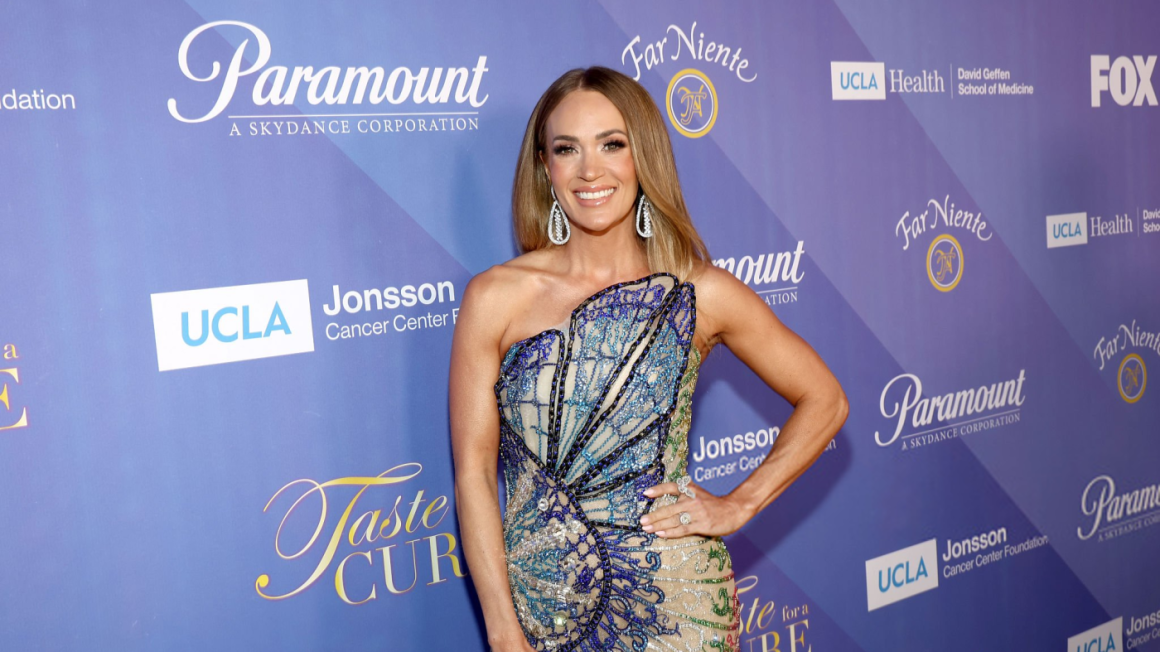



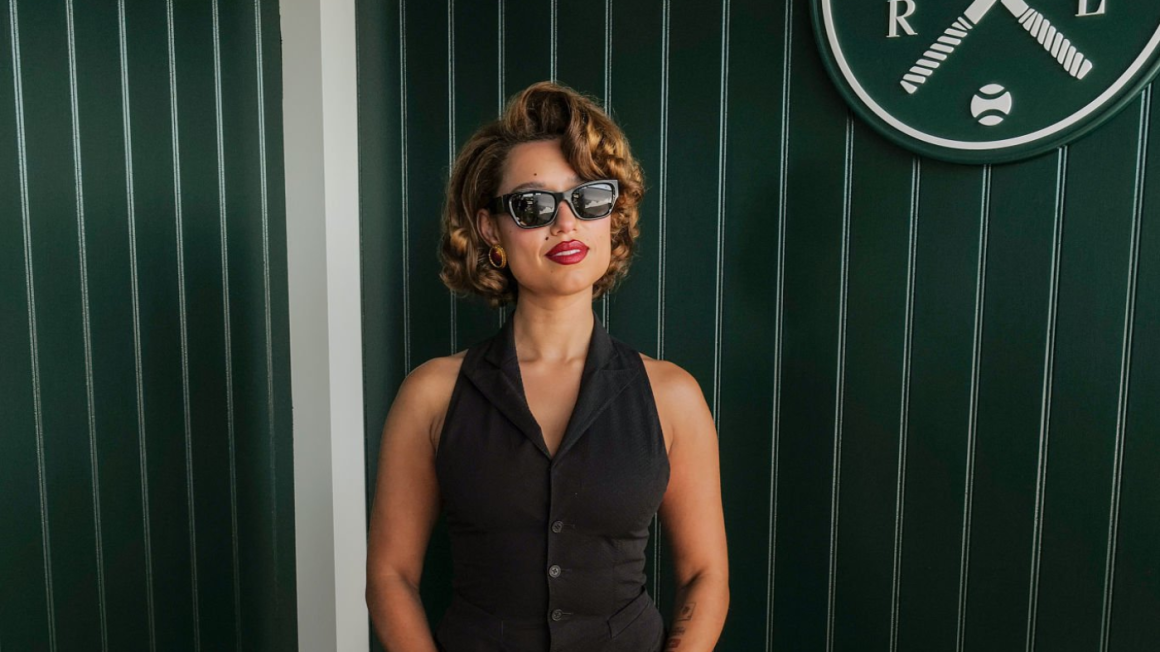


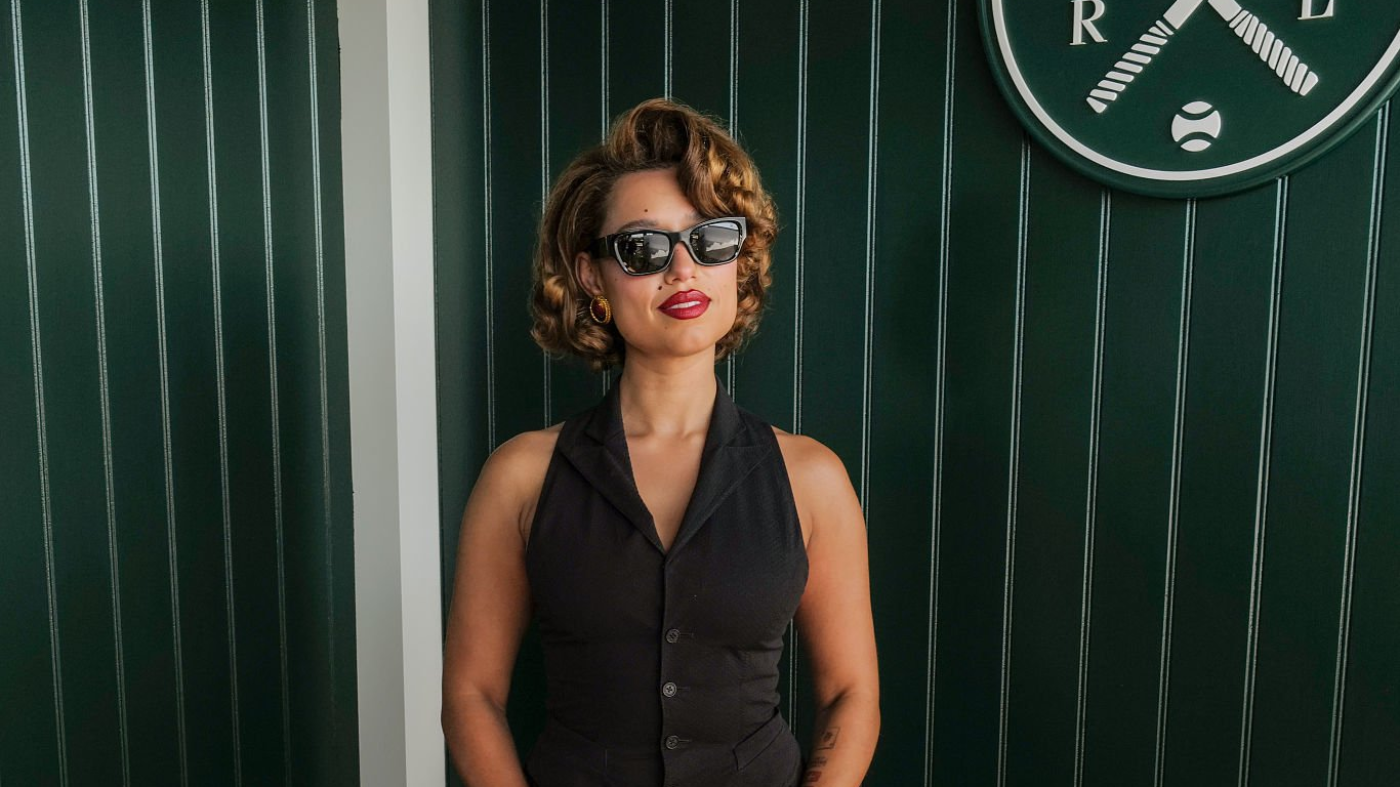
RAYE used the morning after her Mercury Prize victory to celebrate the people and artistic freedom behind This Music May Contain Hope.
RAYE’s Mercury Prize win has become more than another addition to her awards collection. After receiving the 2026 honor for This Music May Contain Hope in Newcastle on October 22, the singer returned to Instagram the following day with a message about how much making an album means to her. Her response connected the achievement to a period when, she recalled, she had been told an album from her would not matter.
The message was as much a roll call as a victory lap. RAYE thanked the musicians, engineers and band members involved, alongside Hans Zimmer, Al Green, her sisters and grandparents. She also remembered her late Swiss grandfather Hans, whose final voice note appears at the beginning of “Life Boat.” As The Irish News reported, her reaction emphasized gratitude and the privilege of being able to make a complete record.
The judges rewarded the album’s scale and structure, not simply a collection of successful songs. The Mercury panel described a work organized into four sections, moving through jazz, soul, R&B and classical influences while balancing cinematic glamour with everyday emotional concerns. Their explanation placed the decision within a broader defense of the album in the streaming era: a format capable of holding an artist’s full statement rather than reducing it to a single moment.
The ceremony gave that argument a live setting. Lauren Laverne hosted at Newcastle’s Utilita Arena, and broadcaster Sian Eleri presented RAYE with the trophy on behalf of the judging panel. RAYE then performed “I Hate The Way I Look Today.” Her acceptance speech returned to the freedom to make long songs and use big-band and string arrangements, tying the award to the choices that gave this record its identity.
The field included Olivia Dean, Paul McCartney, Dave, Florence + The Machine and Suede, among the 12 shortlisted albums. RAYE’s first album, My 21st Century Blues, had also reached the shortlist in 2023, when Ezra Collective won. This time, the prize went to her second studio album, released in March, extending a story in which the album itself has remained central rather than incidental.
The most revealing part of RAYE’s response was its emphasis on collaboration. A prize presented to one artist became an opportunity to name the wider creative and family circle behind the work. That perspective gives the victory its weight: the recognition celebrates the finished record, while her reaction points back to the freedom, time and people required to make it possible.
Related Stories
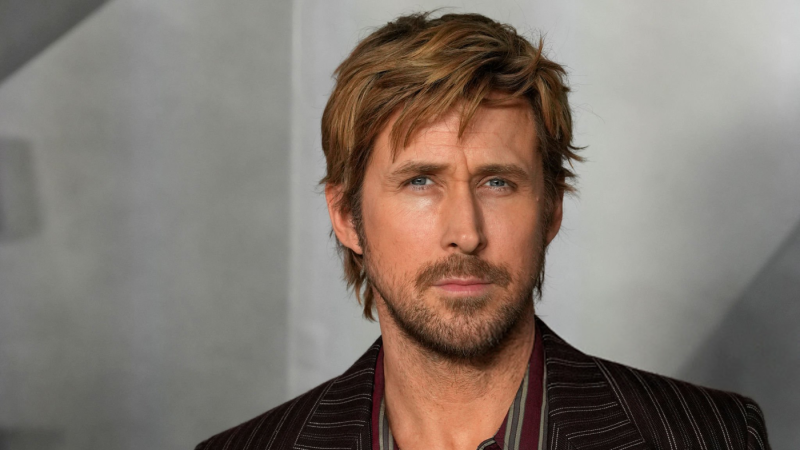
Ryan Gosling’s Dead Man’s Bones Set October 27 Return After 17 Years
Ryan Gosling and Zach Shields are bringing Dead Man’s Bones back, with new music announced for October 27,...
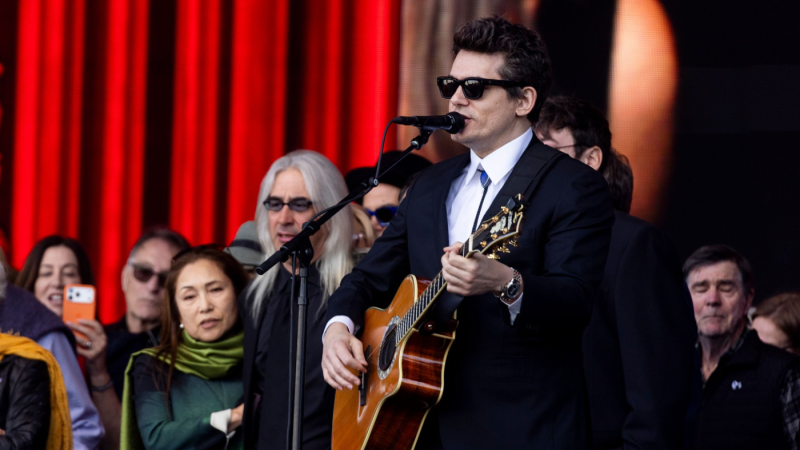
John Mayer Opens His Sob Rock Records Era With ‘Tom and Jerry’
John Mayer’s first new solo single since 2021 also introduces Sob Rock Records, his new partnership with Mercury,...
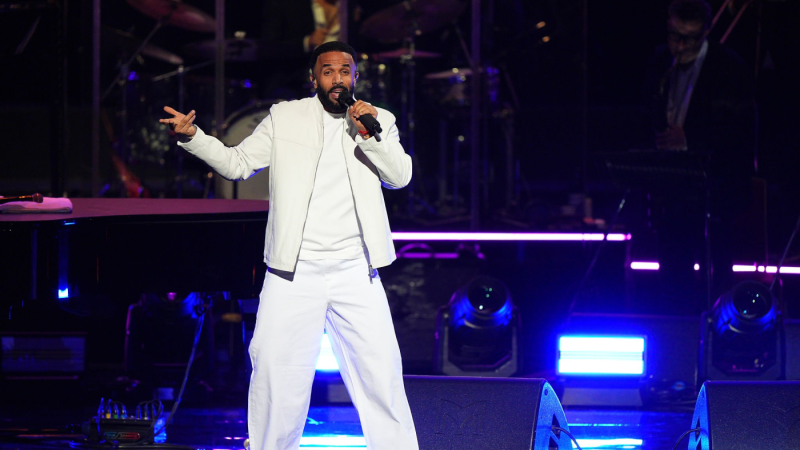
Craig David Will Perform Born to Do It in Full on His 2027 Australian Tour
Craig David’s five-city Australian tour runs May 22–29, 2027, with Born to Do It performed in full and...