

























The most important question popular music can ask isn’t whether we’re having a good time, but whether we understand the world in which we’re having it.
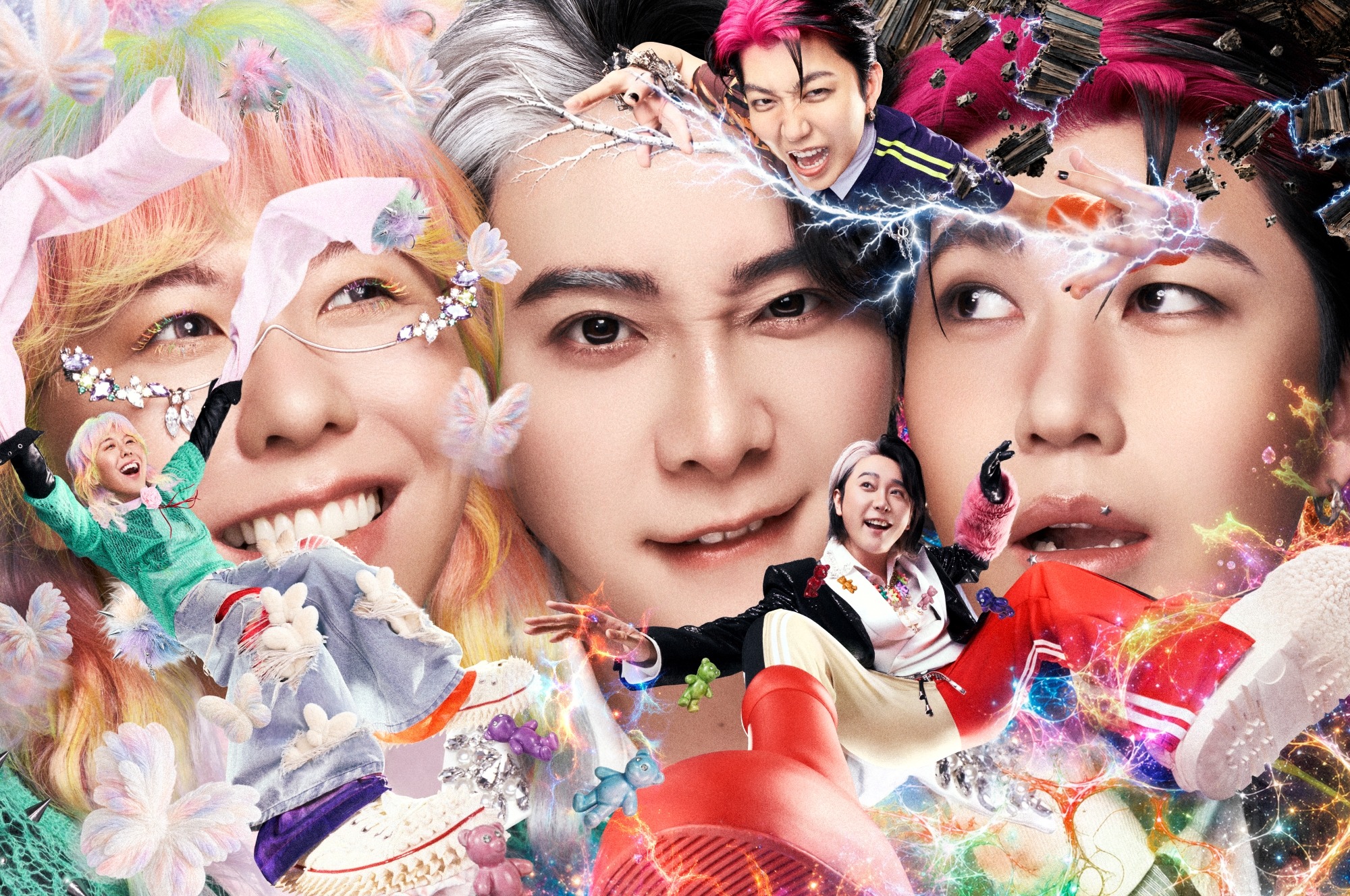
Japan’s Mrs. GREEN APPLE, better known internationally as MGA, confront that distinction with “Project 4,” a provocative exercise in experimental pop from their extraordinarily successful album, POPS. It’s a record concerned with the consequences of technological progress, particularly the increasingly uncomfortable relationship between human expression and digital manipulation.
That these questions come from one of Japan’s most commercially successful bands makes them especially interesting. MGA aren’t struggling outsiders railing against an industry that refuses to acknowledge them. They are beneficiaries of the very systems they interrogate. Their placement at No. 13 on IFPI’s 2025 Global Artist Chart demonstrates the enormous reach of contemporary digital music distribution. Their success gives them a platform, but what they choose to do with that platform matters considerably more.
Performed almost entirely in English, “Project 4” abandons much of the familiar emotional warmth associated with the trio’s pop-rock identity. The combination of live instrumentation, electronic production and manipulated vocals creates a fractured musical landscape that reflects the disconnection at the center of the song’s social commentary. The production itself becomes part of the argument: technology can amplify human expression while simultaneously threatening to obscure it.
Motoki Ohmori, Hiloto Wakai and Ryoka Fujisawa deserve credit for recognizing that commercial popularity need not come at the expense of artistic ambition. Popular music has historically been at its most consequential when artists challenge the expectations of the audiences that made them successful. “Project 4” represents precisely that kind of creative risk.
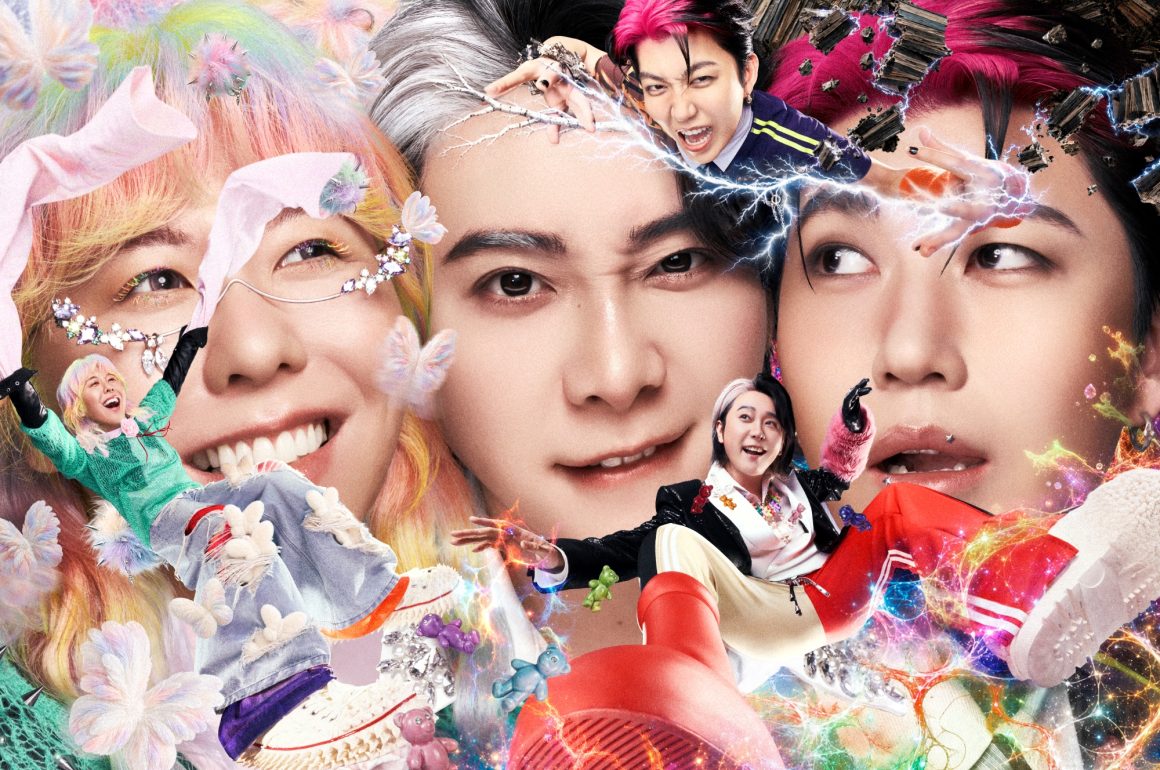
The accompanying music video, directed by Blake Farber, extends the song’s commentary through an elaborate series of digitally constructed environments. Across four distinct worlds, the band navigates fantastical landscapes, futuristic cityscapes and increasingly distorted realities. The imagery is intentionally seductive, offering viewers the same kind of sensory stimulation that makes contemporary digital culture so difficult to resist.
Watch the official music video: MGA – “Project 4”

Yet the choreography, developed by Ohmori and kazuki of s**t kingz, introduces something essential: the human body. Against a backdrop where virtually anything can be manufactured, altered or erased, physical movement becomes a reminder of our tangible existence. It’s a meaningful contrast that gives the visual spectacle substance beyond its technical accomplishments.
Perhaps the most revealing aspect of “Project 4” is the contradiction between its message and MGA’s recent partnership with Google to promote AI-powered search technology. Combined with the band’s participation in a Japanese government campaign combating online misinformation, these activities illustrate the complicated responsibilities of artists operating within corporate and technological structures.
There are no uncomplicated answers here, and popular music shouldn’t necessarily be expected to provide them.
With POPS achieving Triple Platinum certification and MGA expanding their international presence, “Project 4” arrives as something more substantial than an attempt to attract English-speaking audiences. It challenges listeners to consider the systems shaping their entertainment, relationships and understanding of reality.
The enduring power of popular music rests in its capacity to make collective experiences personal. MGA’s latest offering recognizes that the struggle for authenticity in an increasingly artificial world belongs to all of us.
That’s a conversation worth having—and a record worth investigating.
MGA ONLINE:
Website | YouTube | X | Instagram | TikTok | Facebook
Related Stories

Tajonyx Blends Early-2000s Pop Influences with a Modern Edge on ‘These Hands’
Independent pop and R&B artist Tajonyx embraces a more confident, sensual direction on ‘These Hands’, a sleek pop...
Bryan Yurcan releases new single ‘The Long Throw-in From Stoke (Rainy Tuesday Night)’
Bryan Yurcan has never been to Stoke-on-Trent, yet 'The Long Throw-in From Stoke (Rainy Tuesday Night)' is his...

Inside “Drum & Bass,” the Record That Puts TVGUCCI and Popcaan in the Same Room
From the beat to the sessions at Abstract Studios, the Toronto and Jamaica collaboration shows how much a...