







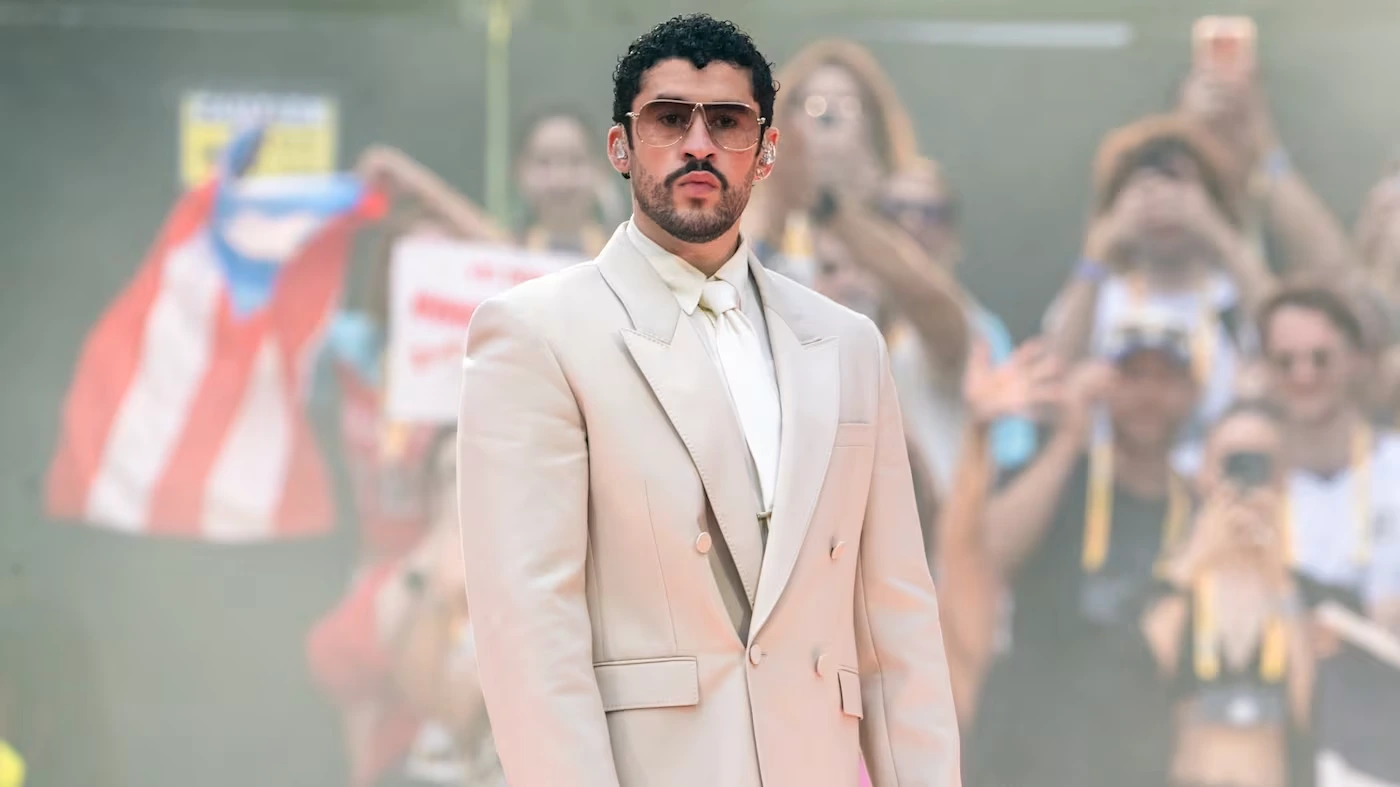
Bad Bunny and his record label, Rimas Entertainment, are asking a federal judge to reconsider a recent decision that allowed a major copyright lawsuit involving reggaeton’s signature dembow rhythm to continue.
The long-running case was brought by Jamaican production pioneer Cleveland “Clevie” Browne and the heirs of the late Wycliffe “Steely” Johnson, who performed together as the influential duo Steely & Clevie. The plaintiffs argue that musical elements from their 1989 instrumental “Fish Market” helped create the rhythmic foundation that later became central to reggaeton.
A judge previously declined to dismiss the lawsuit after determining that conflicting opinions from music experts raised questions that could eventually need to be decided by a jury. However, Bad Bunny’s legal team believes the ruling overlooked a major weakness in the plaintiffs’ argument.
According to the defense, Steely & Clevie are attempting to combine musical elements taken from several different recordings to create a single copyright claim. Bad Bunny’s attorneys argue that the complete arrangement being disputed does not appear in any one protected work and therefore should not receive the level of copyright protection the plaintiffs are seeking.
The defense has also maintained that basic rhythms, common percussion patterns and widely used musical building blocks cannot be owned by one individual or group. Their attorneys have warned that allowing the case to proceed could give the plaintiffs unusually broad control over a sound that has shaped reggaeton and Latin music for decades.
The lawsuit reaches far beyond Bad Bunny. It reportedly names more than 150 artists and challenges the use of the disputed rhythm across a large number of songs. Other major performers connected to the case include Karol G, Daddy Yankee, Drake, J Balvin, Luis Fonsi, Pitbull and Justin Bieber, along with several major record companies.
Steely & Clevie, however, are not claiming ownership over the entire reggaeton genre. Their legal team argues that the case focuses on a specific combination of musical elements that they believe was originally created through their work and later copied without proper permission or compensation.
Bad Bunny’s team is now asking the judge to reverse the earlier decision and dismiss the relevant claims. Should that request be denied, the defense wants permission to take the legal question directly to a federal appeals court before the case moves into a much larger and potentially expensive trial process.
The outcome could have major consequences for the music industry. A ruling in favor of the plaintiffs may strengthen copyright claims involving rhythmic arrangements, while a victory for Bad Bunny and the other defendants could place clearer limits on attempts to control sounds that have become widely used across an entire genre.
For now, the lawsuit remains active as Bad Bunny continues challenging one of the most significant copyright disputes to emerge from modern reggaeton.
Related Stories
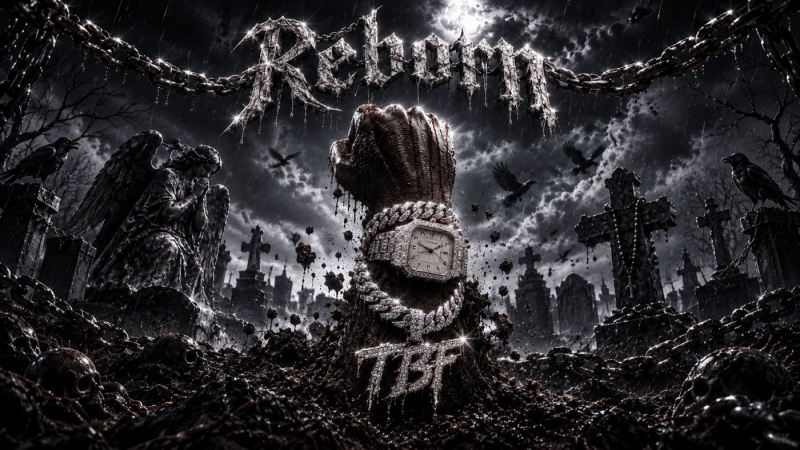
TorchBinFinessin Makes Personal Growth the Focus of Upcoming Album ‘Reborn’
TorchBinFinessin’s Reborn arrives October 20, 2026, with a concept rooted in survival, reflection, and a new chapter for...
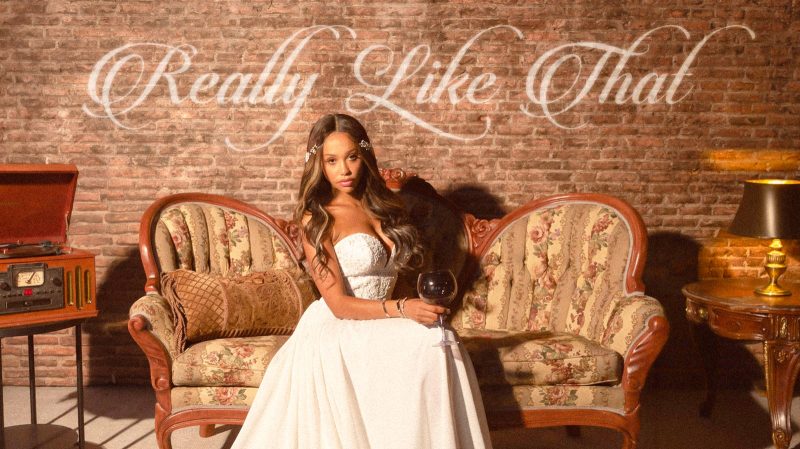
Inside Kalabrya’s Creative Expansion, From Business Ownership to “Really Like That”
With a major rebrand underway, growing interests in music, fashion, beauty and lifestyle, and a romantic single planned...
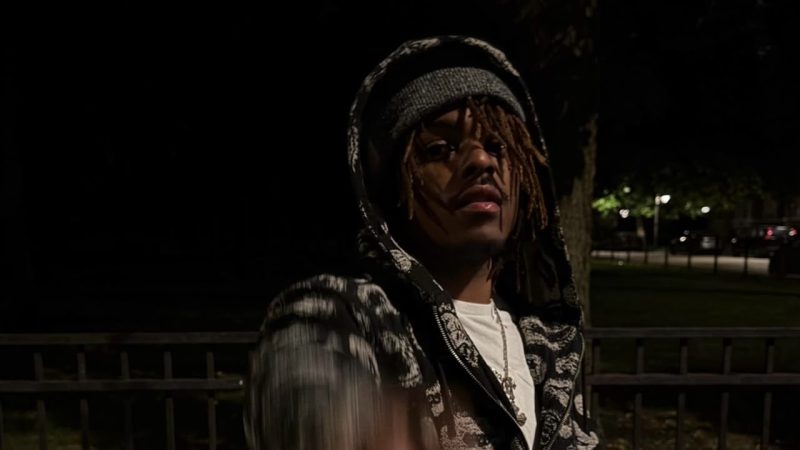
From Athlete to Artist: ADOREE AK Prepares to Release Lost In The Void
Long before ADOREE AK began preparing to release his music, he was building a life around athletics. The...