







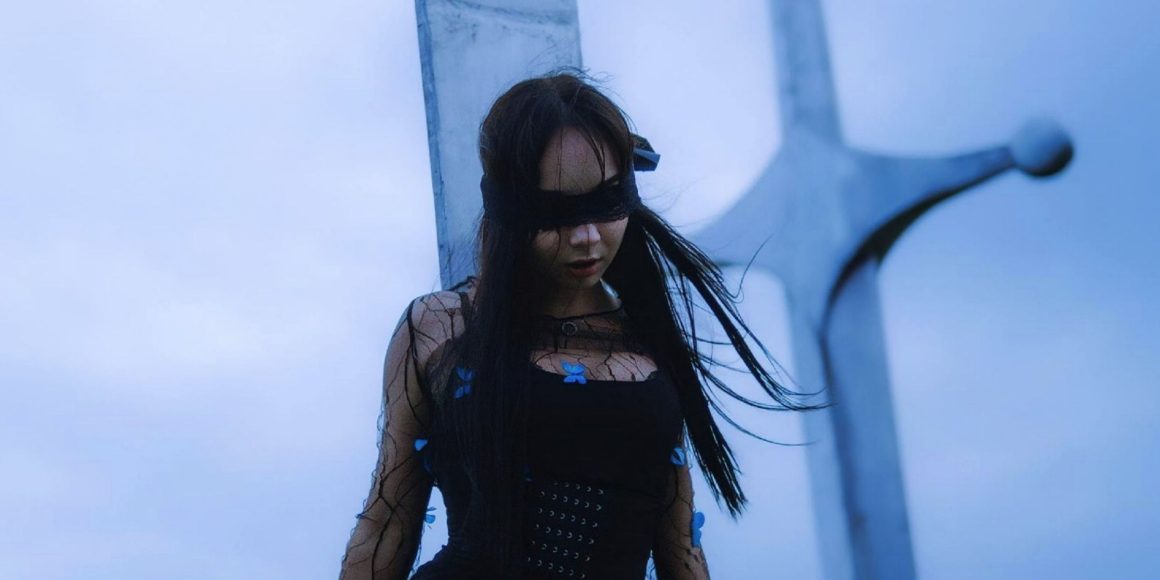

















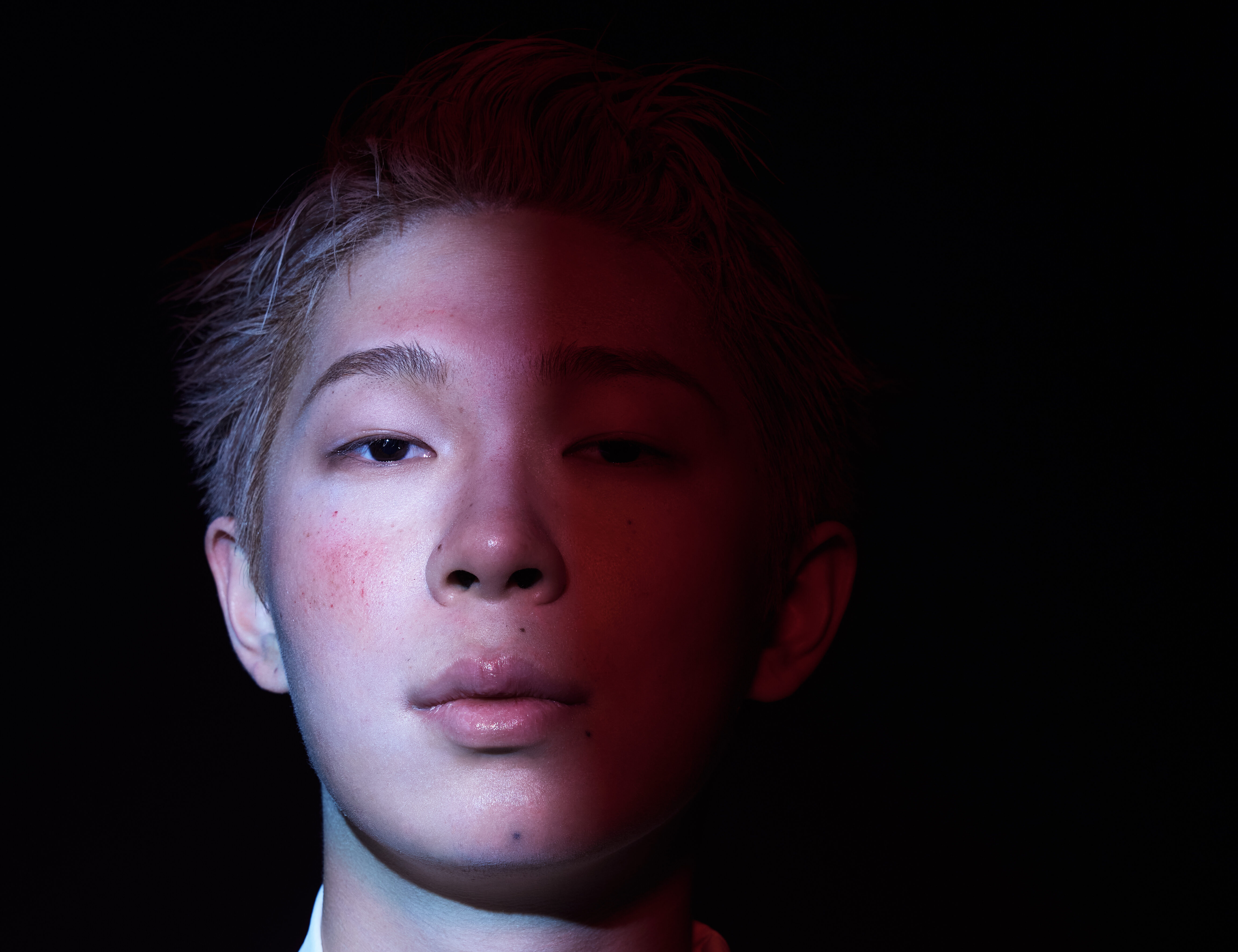
On his debut album Reverie, Beijing-based producer and songwriter RVRIE transforms personal history into a sprawling sonic landscape, navigating themes of memory, displacement, and self-reconciliation through a blend of ambient pop, alternative rock, and cinematic sound design. The project, created by Zefan Gao, feels less like a conventional debut and more like a carefully constructed emotional archive, one that interrogates nostalgia not as comfort, but as a force capable of both preserving and consuming the self.
Gao’s background in classical piano remains evident throughout the record’s architecture. Even amid its expansive production and textured electronic elements, the songwriting is anchored by melodic discipline and structural clarity. Rather than relying solely on atmosphere, Reverie prioritises songcraft, allowing its emotional weight to emerge through carefully paced arrangements that balance intimacy with scale. The result is an album that sits comfortably alongside contemporary alternative auteurs while maintaining a distinctly personal perspective.
Lead single “Dark Waters” serves as the album’s thematic centrepiece. Drawing inspiration from the spectral imagery of Death Stranding, the track reframes nostalgia as an invisible force that lingers beneath the surface, threatening to pull its subject back into unresolved emotional territory. Musically, the song mirrors this tension through shifting dynamics and immersive production, gradually expanding from introspective restraint into something far more consuming. Contributions from bassist Tim Lefebvre and saxophonist Nathan Gao add further depth, introducing elements of avant-jazz and improvisational fluidity that elevate the track beyond standard alternative-pop conventions.
What makes Reverie particularly compelling is its refusal to romanticise the past. Instead, Gao approaches nostalgia as a necessary confrontation, positioning immersion as a prerequisite for release. Across the album, memories become environments to inhabit rather than moments to revisit, with each composition functioning as another corridor within a larger psychological landscape. In doing so, RVRIE delivers a debut that is both technically meticulous and emotionally resonant, transforming personal reflection into something cinematic, immersive, and unexpectedly universal.
Related Stories
Level Up Distribution: Empowering Independent Artists to Take Their Music to the Next Level
Founded by veteran artist, producer, and A&R professional Ace Drucci aka Anthony Ratliff, Level Up Distribution is...
Todd Barrow Embraces Faith, Resilience, and Second Chances Through “Sit Back and Breathe”
Hitting rock bottom can make the future feel impossible to imagine, but sometimes the most difficult chapters become...
Cataleya Meadows asks what perfectionism costs when the body becomes the stake
On her dark pop single ‘Skin in the Game,’ Cataleya Meadows follows a performer under the spotlight, tracing...