







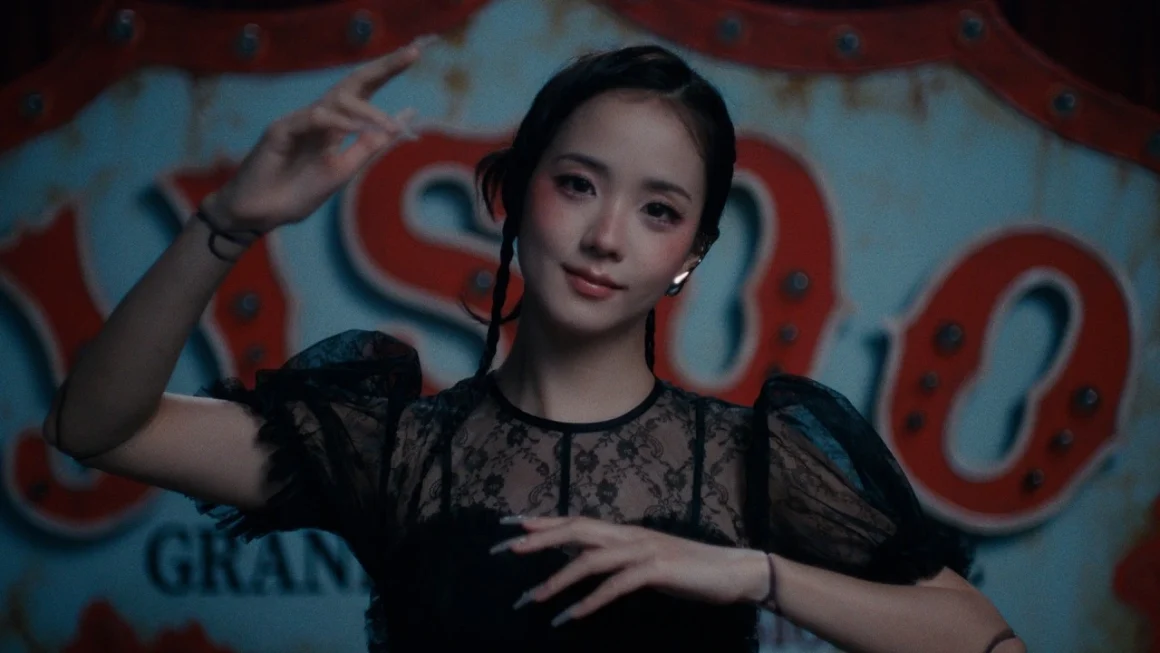
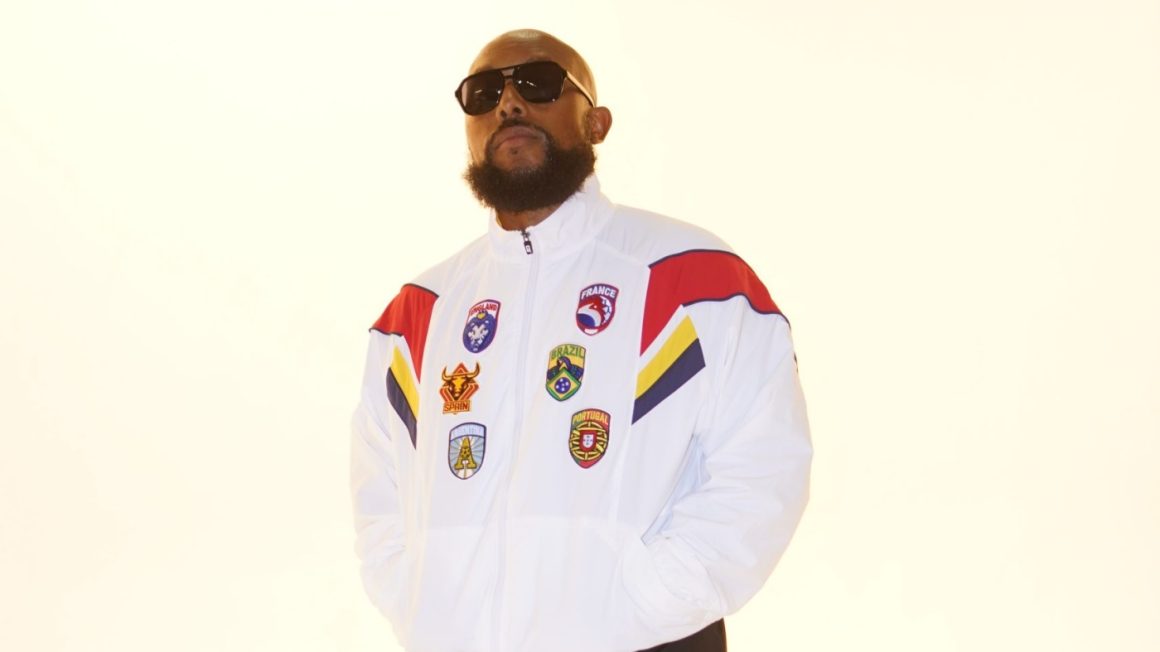
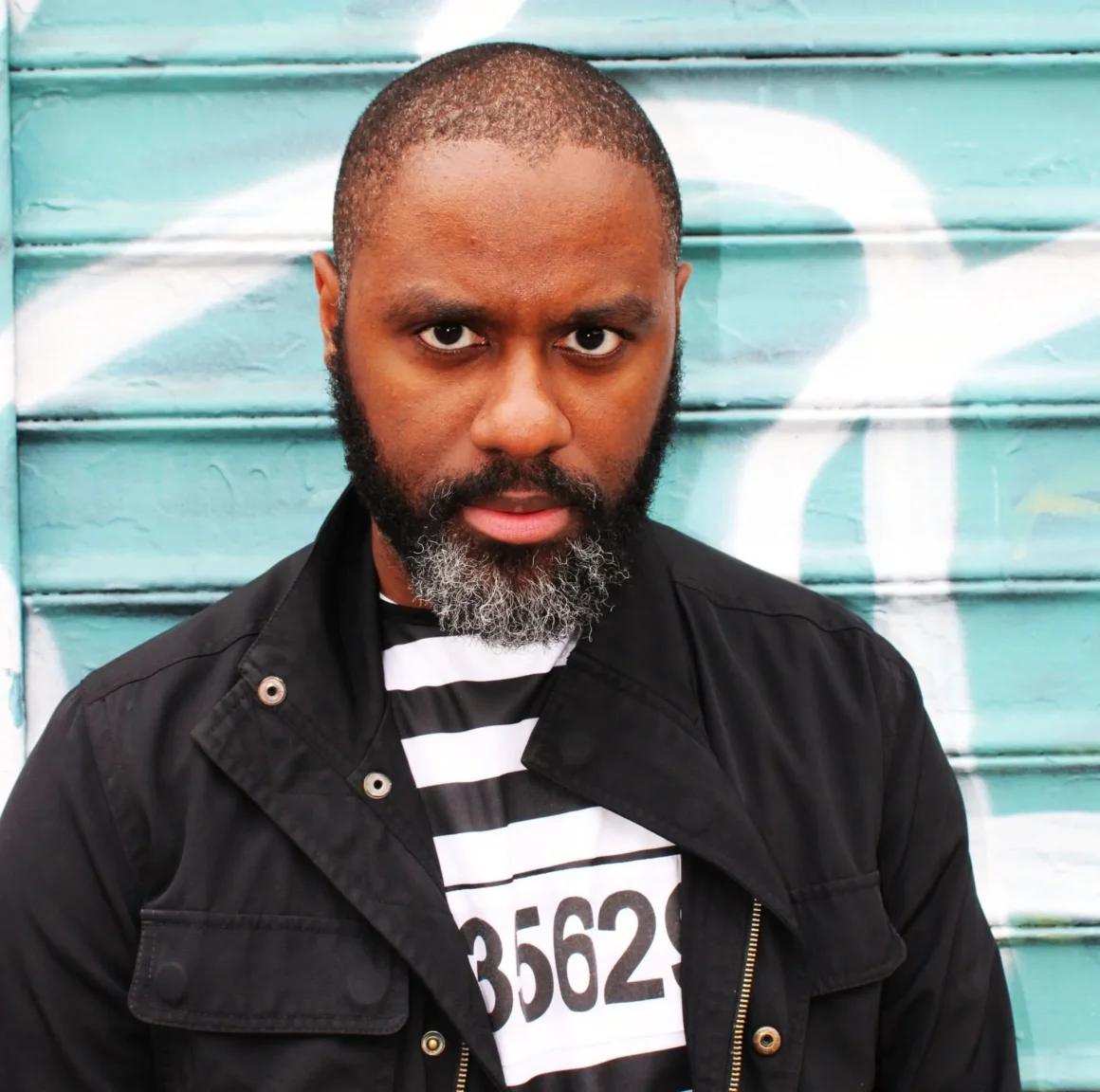




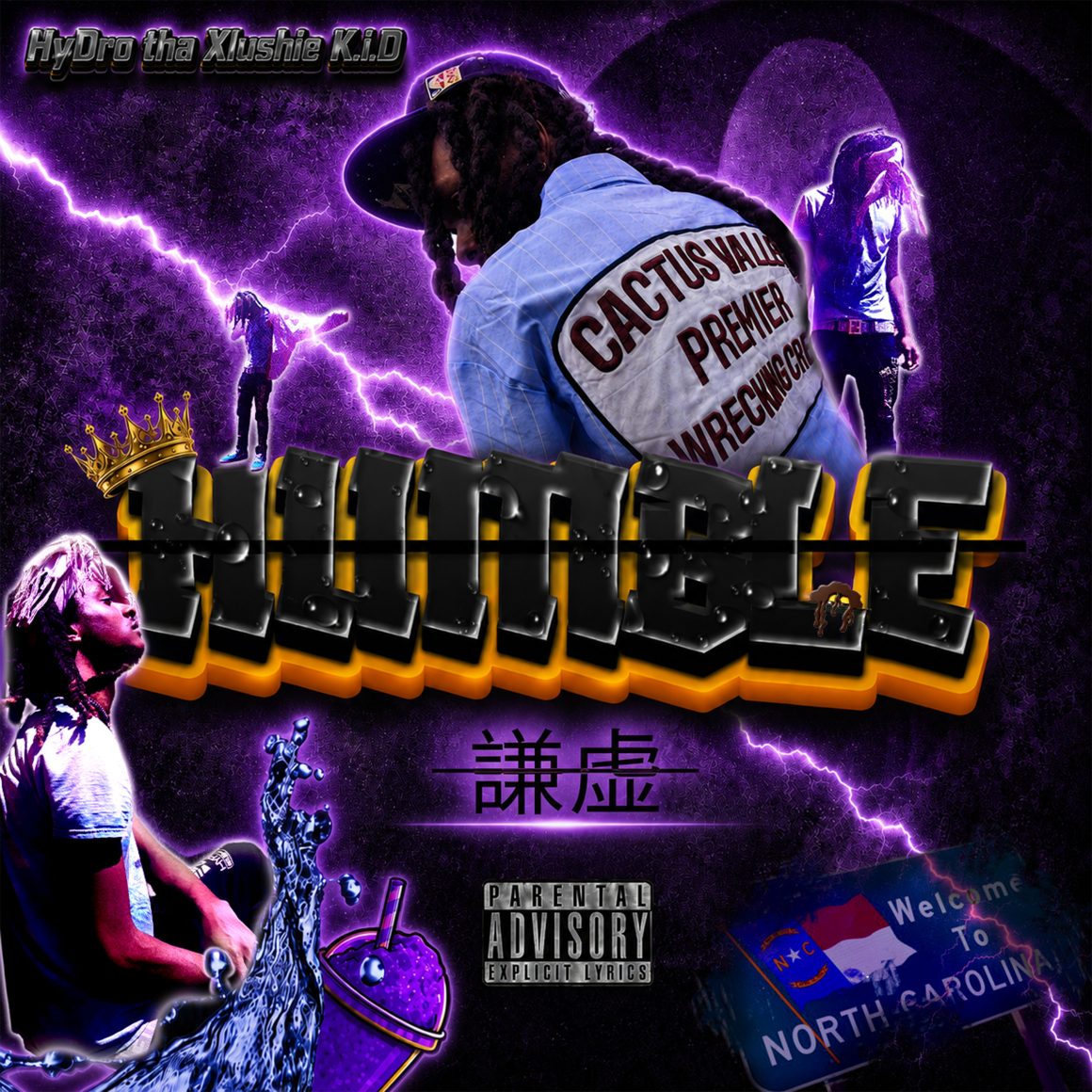


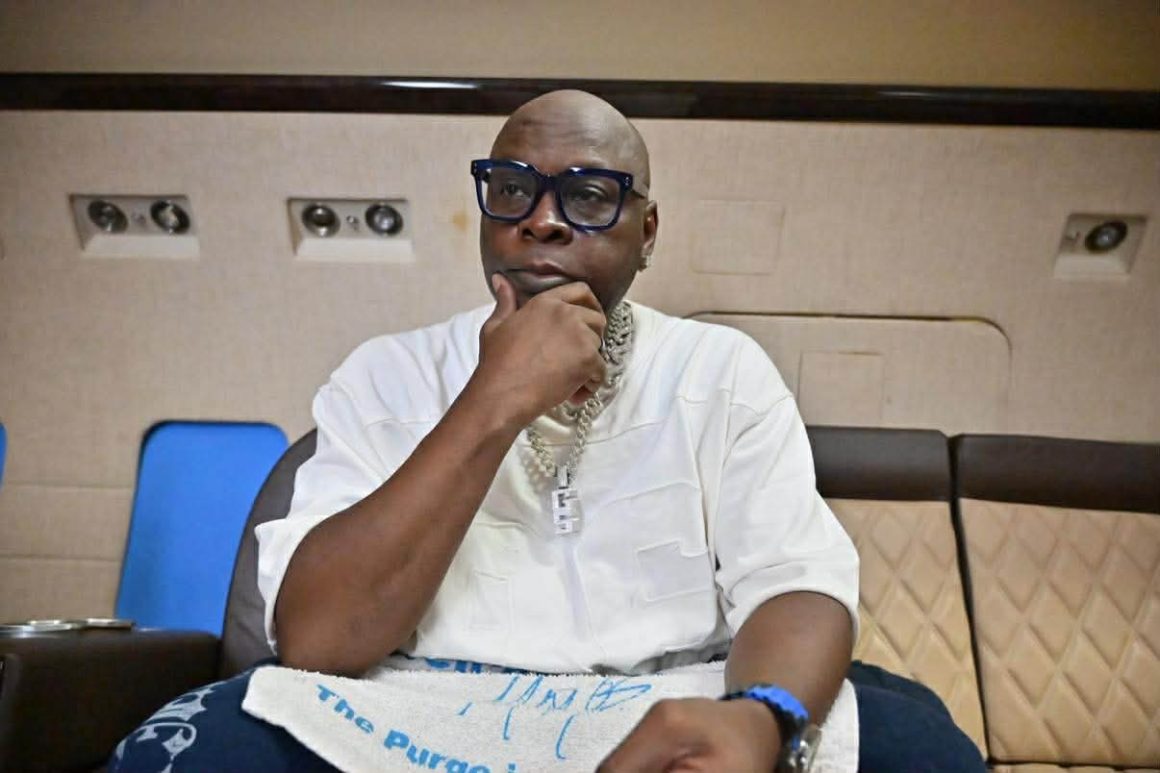
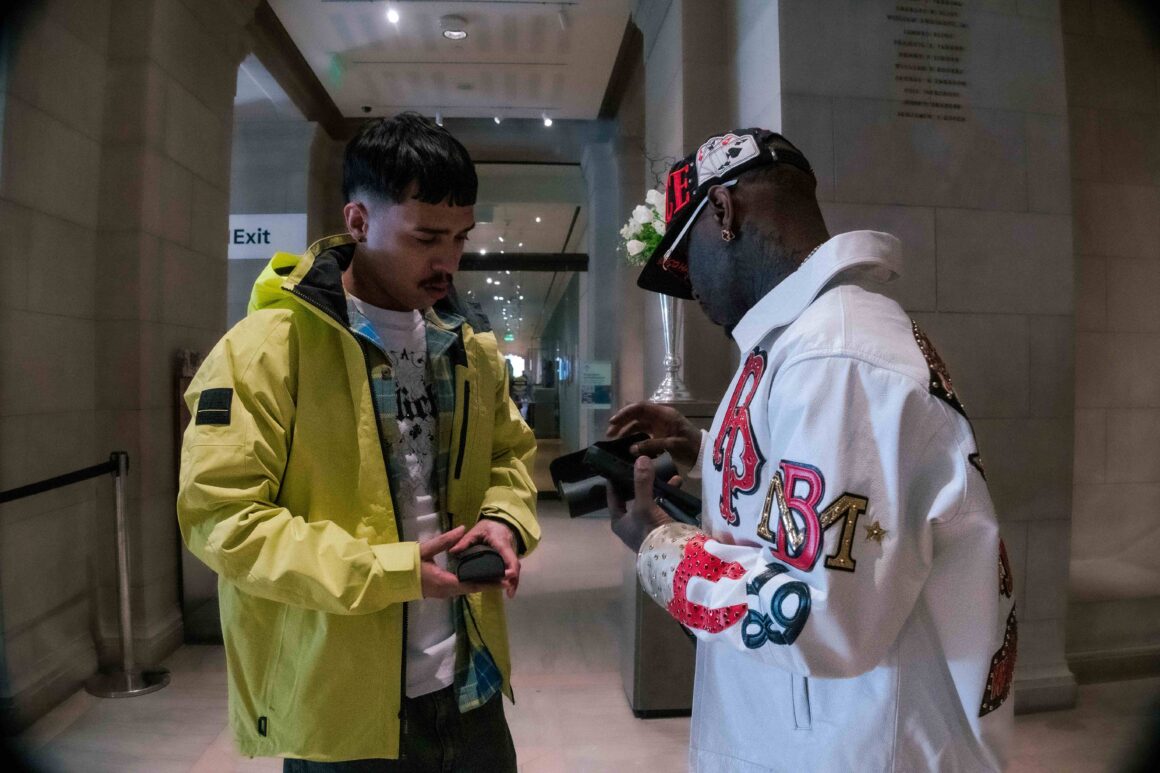
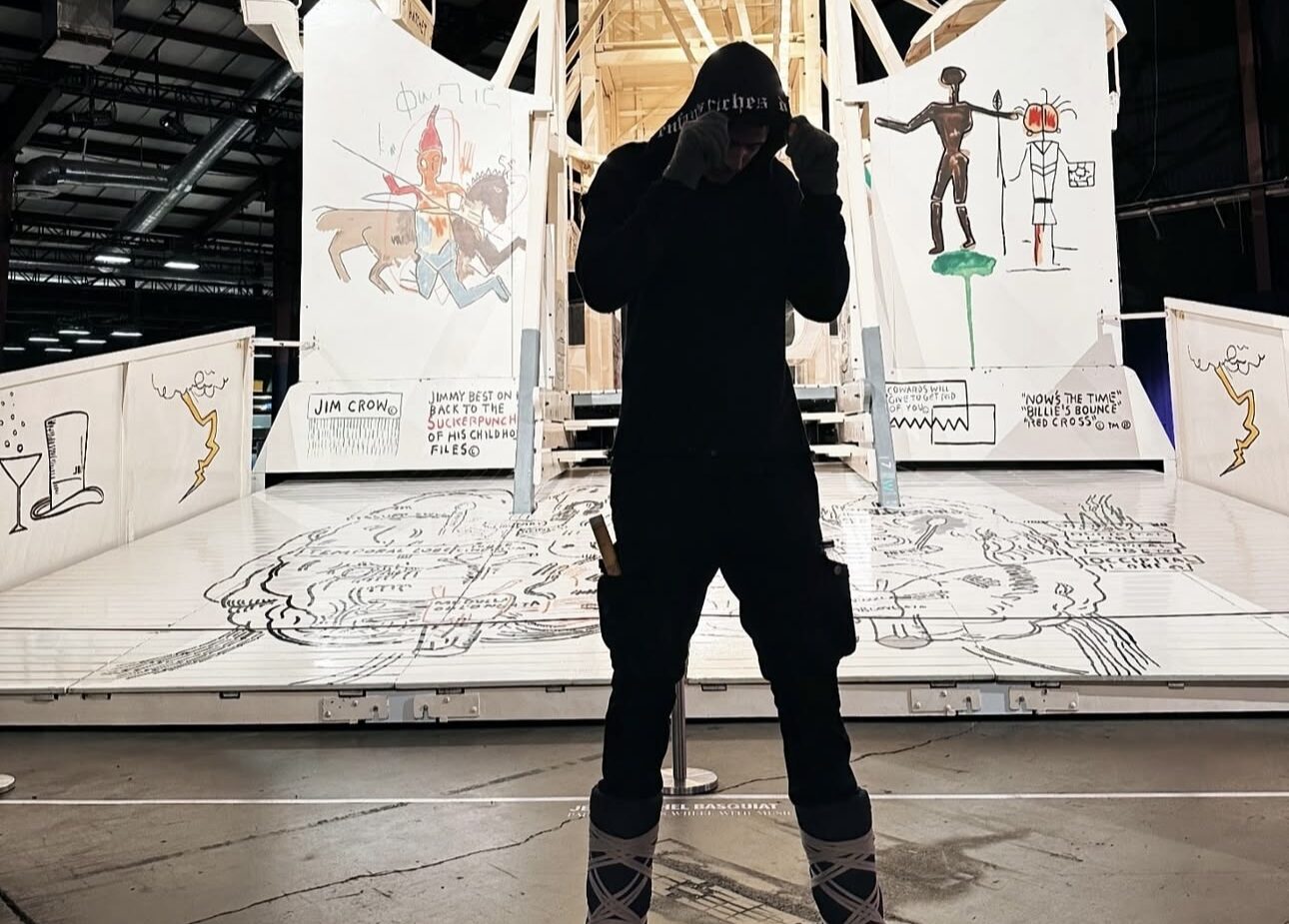
On this installment of Rolling Hype’s questionnaire series, Los Angeles-based artist CJ Stowklyn opens up about the instinct-driven approach that has shaped his creative identity and ever-expanding catalog. With more than 200 songs recorded, his process is defined by emotion, spontaneity, and a refusal to over-structure ideas before they naturally form. That philosophy is clearly reflected in his latest release “FACETIME,” a track that captures raw, real-time feeling rather than following a traditional narrative format. In this conversation, he breaks down his home studio workflow, genre-blending sound, evolving perspective, and how his upcoming project Neural Order continues to expand on the unpredictable yet intentional direction of his music.
Your music often feels instinctive and emotionally driven. When did you first realize that this would become the foundation of your creative identity?
I realized early on that instinct was my strongest tool when I noticed the songs people connected with the most were the ones I didn’t overwork. There was a point where I tried to be more structured, more “perfect,” and it actually created distance. The moment I leaned into feeling over precision, everything started sounding more like me.
With “FACETIME,” you capture a moment rather than a structured narrative. Do you see your music as a reflection of real-time emotion rather than traditional storytelling?
With “FACETIME,” I definitely see it more as a real-time emotional capture than traditional storytelling. It’s less about beginning-middle-end and more about dropping someone directly into a headspace. Like you’re hearing thoughts as they happen instead of hearing a story being told after the fact.
The record was created in a home studio setting. How does that level of creative freedom influence the way you experiment with sound?
Working out of a home studio removes hesitation. I’m not second-guessing ideas because there’s no audience while I’m creating. That freedom leads to more risks, whether that’s experimenting with vocal textures, leaving in rough takes, or building songs in unconventional ways. It makes the process more fluid.
Your catalog spans melodic rap, hyperpop, and alternative electronic music. How do you approach blending genres while maintaining a cohesive artistic identity?
Blending genres isn’t something I consciously try to do, it happens because I don’t separate my influences. I might pull emotion from one space, sound design from another, and structure from somewhere else entirely. The cohesion comes from my voice and perspective staying consistent, even if the sound shifts.
As someone with a vast archive of unreleased work, how do you balance creating new material with curating what the audience ultimately hears?
Balancing creating and curating is probably one of the harder parts. I create way more than I release, so I have to step back and almost listen like a fan. Not every song needs to come out, some are just part of the process. The ones that stay with me over time are usually the ones worth sharing.
“FACETIME” acts as a transition into your upcoming project Neural Order. How does this single set the tone for what’s to come?
“FACETIME” sets the tone for Neural Order by introducing that sense of controlled unpredictability. It’s not fully chaotic, but it’s not locked into structure either. The project builds on that, more intentional, but still emotionally driven and a little unpredictable.
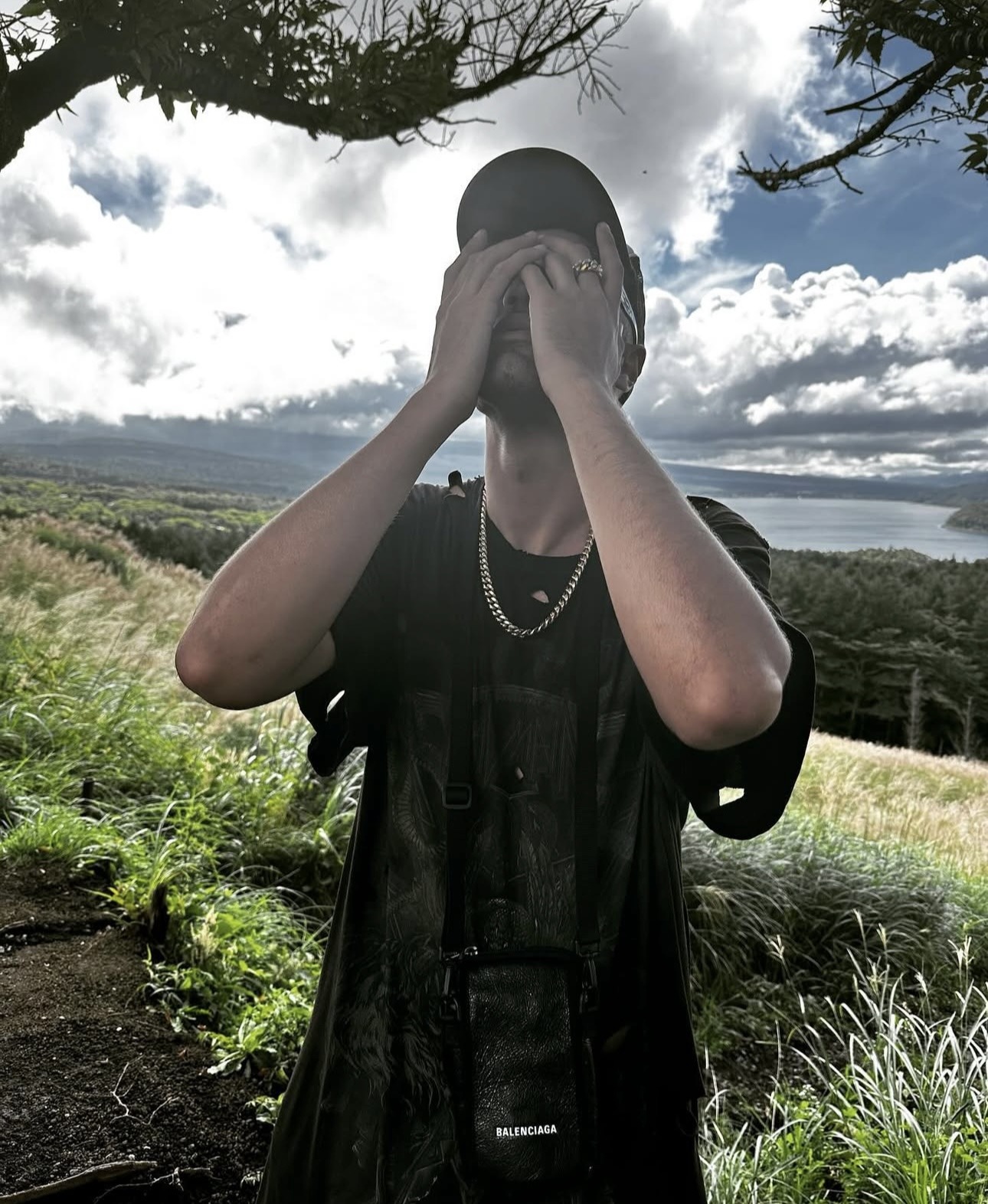
Your work often prioritizes energy and feeling over structure. How do you know when a track is complete if it doesn’t follow a traditional format?
When a track doesn’t follow a traditional format, completion becomes more about feeling than structure. I know it’s done when adding anything else starts to take away from the emotion instead of enhancing it. There’s a point where the energy feels sealed, that’s usually the indicator.
Looking back at projects like Frosted Nebula, how has your perspective on music and creativity evolved over time?
Looking back at Frosted Nebula, I think I was more focused on exploration for the sake of it. Now, there’s more awareness behind what I’m doing. I still experiment, but it’s more refined. I understand my instincts better, so I can push boundaries without losing direction.
In today’s rapidly evolving music landscape, how important is experimentation to staying relevant and authentic as an artist?
Experimentation is everything right now. The landscape moves fast, and if you’re not evolving, you get boxed in. But for me, it’s less about staying relevant and more about staying honest. Experimentation is just a byproduct of not wanting to repeat myself.
As you continue to grow, what kind of emotional or creative impact do you hope your music leaves on listeners in the long term?
Long term, I want the music to feel like something people can grow with. Not just something they listen to once, but something that hits differently depending on where they are in life. If the music can evolve in meaning over time, then I feel like it’s doing what it’s supposed to do.
As the interview closes, CJ Stowklyn’s perspective circles back to a central idea: music as an ongoing emotional record rather than a fixed product. From early experiments like Frosted Nebula to his current body of work, his evolution reflects a growing understanding of instinct, refinement, and creative restraint without losing spontaneity. With “FACETIME” now setting the tone for Neural Order, he continues to lean into controlled unpredictability while expanding his sound across melodic rap, hyperpop, and alternative electronic influences. Looking forward, his focus remains on experimentation as a form of honesty, aiming to create music that not only captures a moment in time but continues to resonate and shift meaning as listeners grow alongside it.
Connect With CJ Stowklyn:
- Instagram: @cjstowklyn
- X (Twitter): @cjstowklyn
- YouTube: @cjstowklyn
- Apple Music: CJ Stowklyn
- Spotify: CJ Stowklyn
- All Links: https://link.me/cjstowklyn
Related Stories
Level Up Distribution: Empowering Independent Artists to Take Their Music to the Next Level
Founded by veteran artist, producer, and A&R professional Ace Drucci aka Anthony Ratliff, Level Up Distribution is...
Todd Barrow Embraces Faith, Resilience, and Second Chances Through “Sit Back and Breathe”
Hitting rock bottom can make the future feel impossible to imagine, but sometimes the most difficult chapters become...

Cataleya Meadows asks what perfectionism costs when the body becomes the stake
On her dark pop single ‘Skin in the Game,’ Cataleya Meadows follows a performer under the spotlight, tracing...