










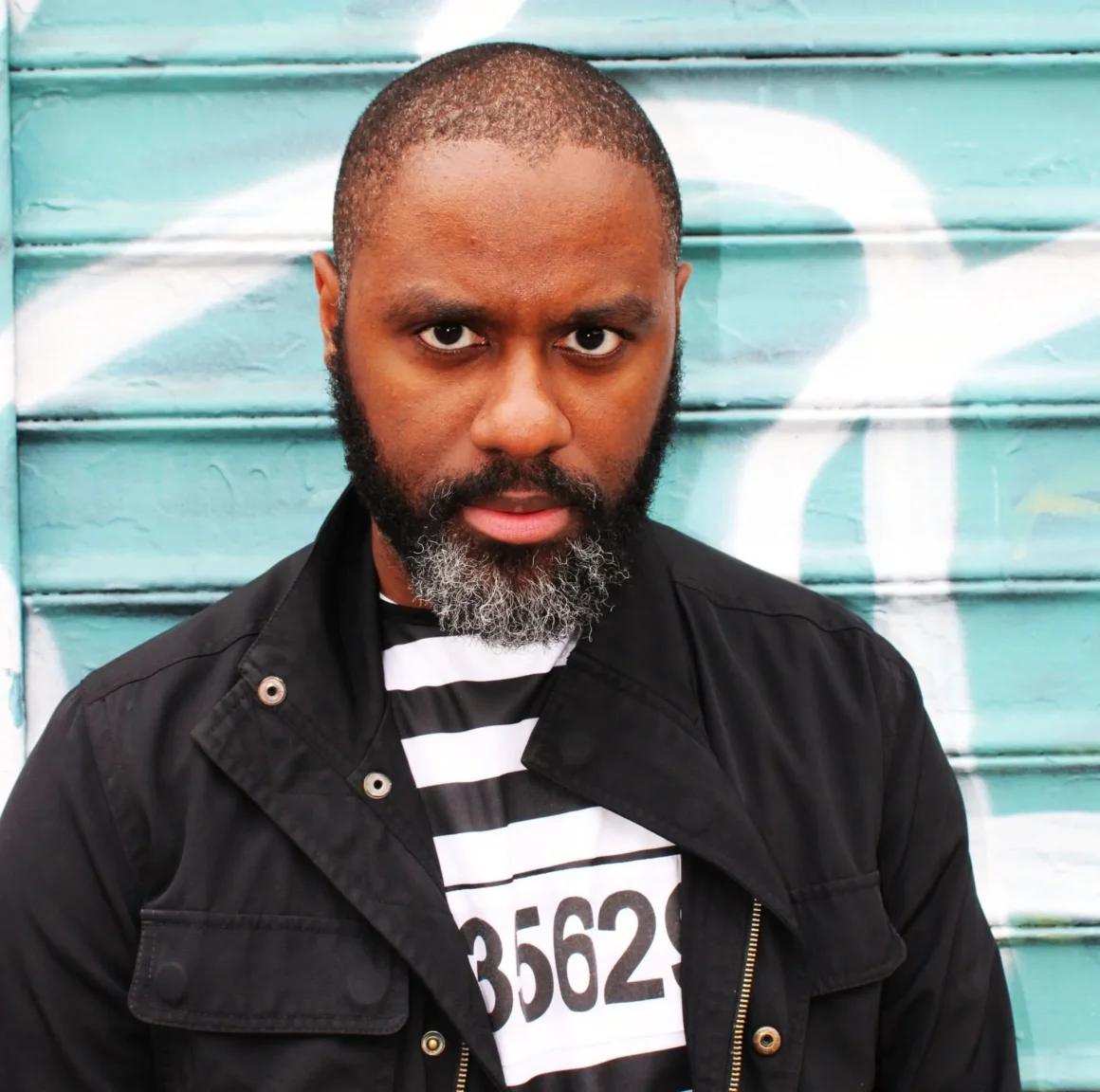















Capital Ferg’s story doesn’t follow the usual blueprint of an artist chasing fame from an early age. Instead, it reads like a long, winding evolution—one shaped by curiosity, life experience, and a creative spark that never fully disappeared, even when life pulled him in other directions.
Growing up, music was always there in the background. From recording early experiments on cassette tapes with friends in the 90s to mimicking rap flows during the rise of East Coast and West Coast hip-hop, Ferg was absorbing sound long before he ever considered himself an artist. He remembers how easily lyrics would stick, how naturally he could switch flows, and how even then, music felt less like a choice and more like something he was wired to do.
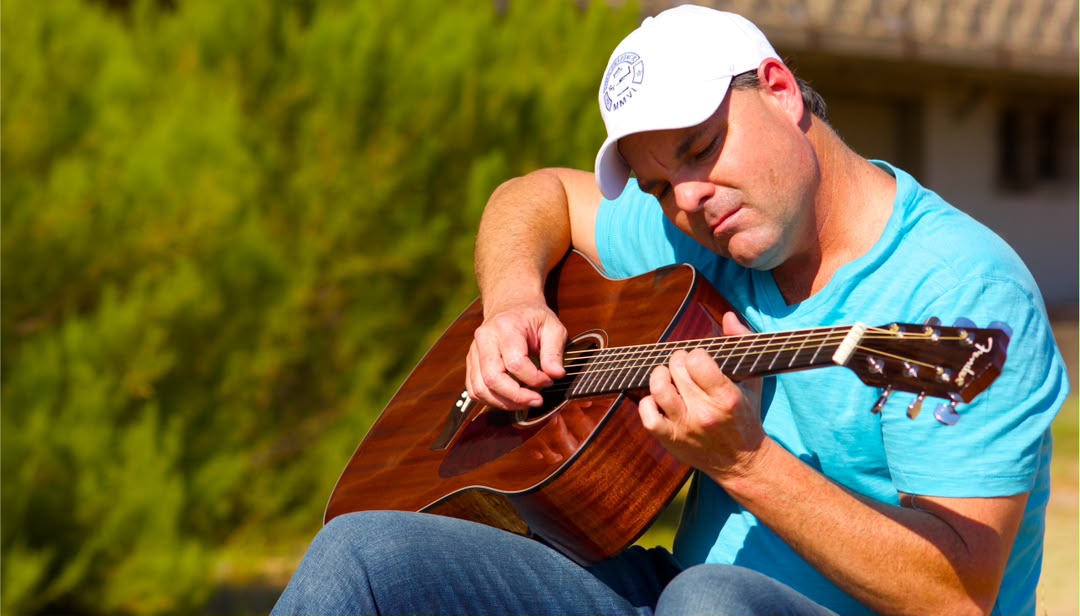
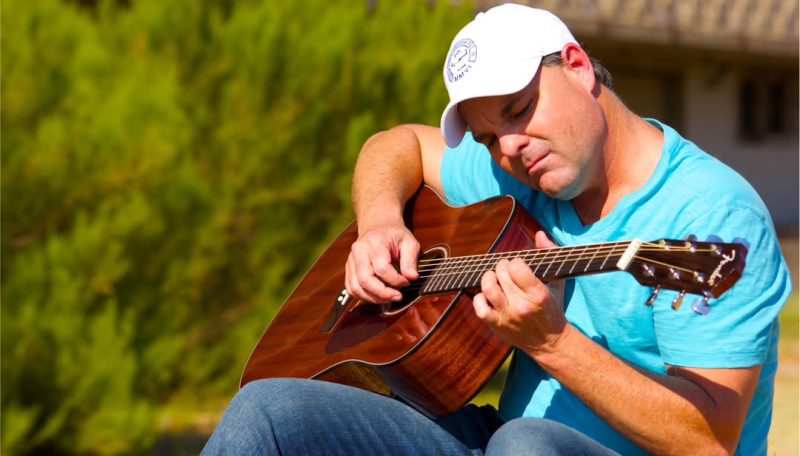
Still, life moved forward. He learned guitar in 2009, wrote acoustic songs, performed at open mics, got married, and started a family. Like many people, music became something he revisited instead of something he actively pursued. But even in silence, it never fully left him.
Everything shifted during one of the most difficult seasons of his life, when he found himself facing emotional strain and the possibility of divorce. In that space, he turned to writing—not as an artist, but as a form of release. Poetry became his outlet, and those poems eventually evolved into songs. That was the beginning of something new.
What followed was a self-taught journey into modern music creation. Tools like Rapchat introduced him to recording over beats, but he quickly wanted more control. That curiosity led him to BandLab, where he began learning how to make his own instrumentals through trial and error. He wasn’t just writing anymore—he was building.
But the real turning point came in an unexpected place: a Walmart parking lot.
During a chaotic period at home, with limited time and space, Ferg wrote lyrics at work and recorded his first full song inside his car using only his phone and headphones. There was no perfect setup, no polished studio, no industry expectation—just urgency and expression. When he played it back through his car speakers, something clicked. It wasn’t just relief—it was clarity. This was no longer just an idea. This was real.
From that moment forward, Capital Ferg understood something fundamental about his path: music didn’t need to be perfect to be meaningful.
Today, his sound reflects that journey. Influenced by a wide spectrum of artists—from Ludacris, T.I., and OutKast to Drake, Ed Sheeran, Justin Timberlake, Missy Elliott, Sean Paul, and beyond—Ferg doesn’t confine himself to one genre. Instead, he pulls from everything that moves him emotionally. That blend shows up in his music, which moves between hip-hop, pop, R&B, and dancehall-inspired rhythms without hesitation.
For listeners discovering him for the first time, he recommends starting with “Staying With Me,” a track that blends singing, rap, and melodic storytelling into one cohesive sound. It’s the kind of record that reflects his full identity rather than a single lane. On the other end, “Like A Pro” leans into upbeat, dancehall-infused hip-hop energy, showing another side of his creative range.
But behind the sound is a deeper truth: Capital Ferg’s biggest challenge has always been limitation—not just technical, but internal. Early on, it was lack of equipment and knowledge. Then it was mixing, mastering, and production skills. Now, it’s the constant tension between what he hears in his head and what he can physically bring to life. Instead of seeing that gap as failure, he sees it as part of the process. Every stage of growth introduces a new ceiling to break through.
That mindset is especially present in songs like “Rebound,” a track that marked both a sonic and emotional shift. Inspired by personal rebuilding, the song blends experimentation with reflection, capturing a moment where music became more than creativity—it became healing.
As the industry around him continues to evolve, Ferg takes a grounded approach. He doesn’t obsess over placement or hierarchy in hip-hop. Instead, he sees a crowded, fast-moving landscape filled with opportunity for expression. In his view, the focus isn’t about fitting into a lane—it’s about building something honest enough to stand on its own.

That philosophy extends to how he sees himself. While some artists are driven by image or expectation, Ferg is driven by process. He describes his work as something that flows naturally rather than something he forces for validation. It’s not about building a persona—it’s about finally giving form to something that was always there.
That same perspective shapes how he wants to be remembered. Not as someone who followed a traditional timeline, but as proof that timing doesn’t define talent. Starting music seriously later in life didn’t limit him—it clarified him. As an over-40 father stepping fully into artistry for the first time in a meaningful way, his journey challenges the idea that creativity has an expiration date.
At the center of it all is his upcoming EP, “Unbreaking.” More than just a project, it represents a personal and creative transformation. Built from moments of struggle, self-reflection, and rebuilding, the EP tells the story of an artist learning how to rise by first confronting what needed to break.
Capital Ferg isn’t chasing a version of success defined by others. He’s building something slower, more intentional, and deeply personal. From cassette tapes to car recordings, from poetry to production, from breakdown to breakthrough—his story is still unfolding.
And for Ferg, that’s exactly the point.
He’s not just making music.
He’s unbreaking into it.
Related Stories
Level Up Distribution: Empowering Independent Artists to Take Their Music to the Next Level
Founded by veteran artist, producer, and A&R professional Ace Drucci aka Anthony Ratliff, Level Up Distribution is...
Todd Barrow Embraces Faith, Resilience, and Second Chances Through “Sit Back and Breathe”
Hitting rock bottom can make the future feel impossible to imagine, but sometimes the most difficult chapters become...

Cataleya Meadows asks what perfectionism costs when the body becomes the stake
On her dark pop single ‘Skin in the Game,’ Cataleya Meadows follows a performer under the spotlight, tracing...