





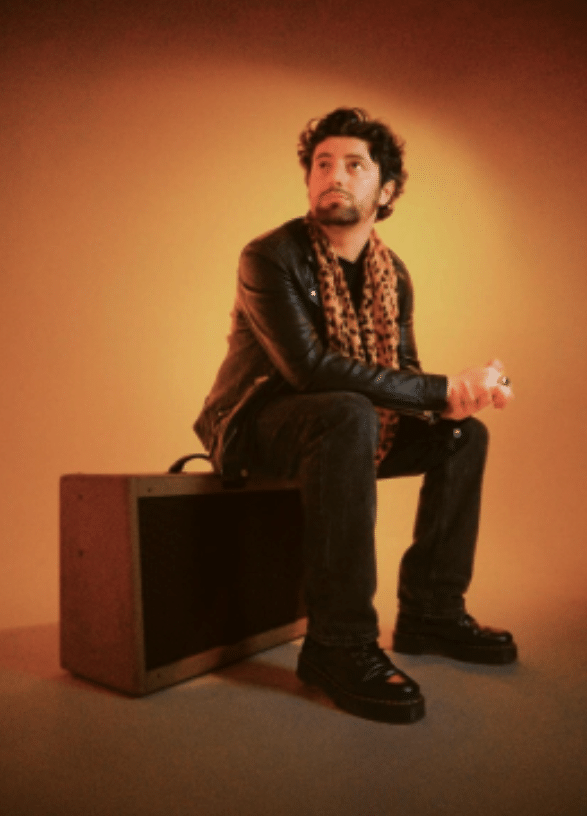

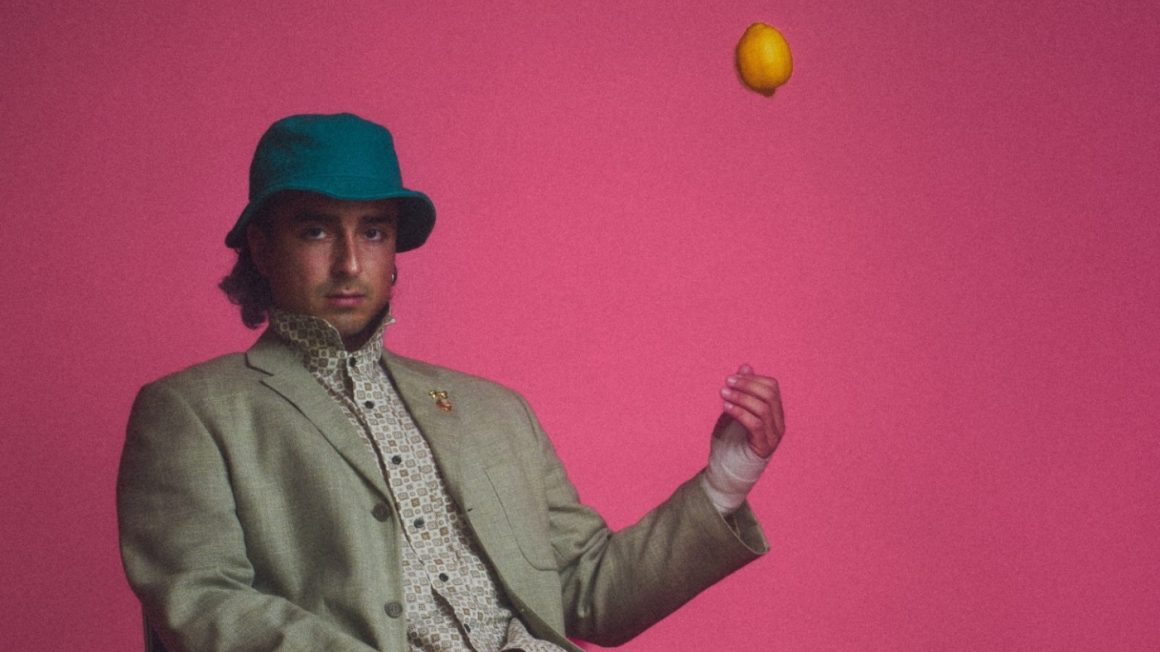

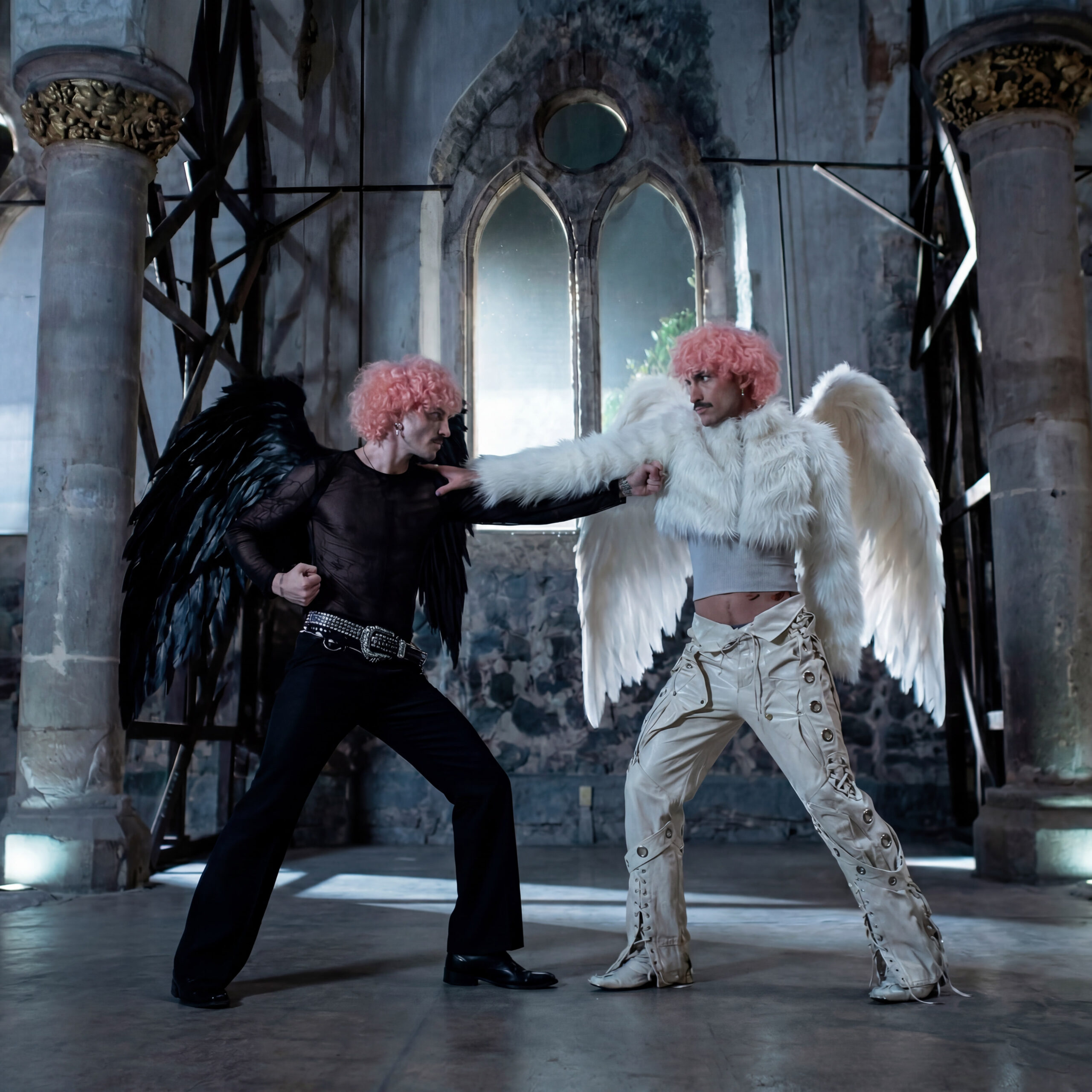
Some songs are written from inspiration. Others are written from realization. For Yacoby, “Angel the Devil” came from finally accepting every side of himself instead of trying to separate them. During a trip to Puerto Rico amid the vibrant cultural energy surrounding Bad Bunny’s residency, Yacoby found himself moved by the honesty of the people around him. Joy, pain, faith, rebellion, vulnerability, and confidence all existed together without apology. That experience became the emotional foundation of the record.
Rather than hiding the contradictions that shaped his identity, Yacoby leaned fully into them. His Italian and Argentine roots, years spent in Dubai, and exposure to Arabic culture all flow naturally through the song’s DNA. “Angel the Devil” feels less like a traditional pop release and more like a personal statement about self acceptance. At its core, the track challenges listeners to stop treating their darkness like something separate from who they are.
Produced by Lennex, the single blends Latin rhythms with atmospheric alternative pop textures, creating a sound that feels hypnotic, cinematic, and emotionally charged. The percussion carries warmth and movement, while quieter moments underneath the production give the song an almost spiritual tension. One of the track’s strongest elements is how naturally the Arabic influences are woven into the music. Nothing feels forced or performative. Every layer reflects a different piece of Yacoby’s story.
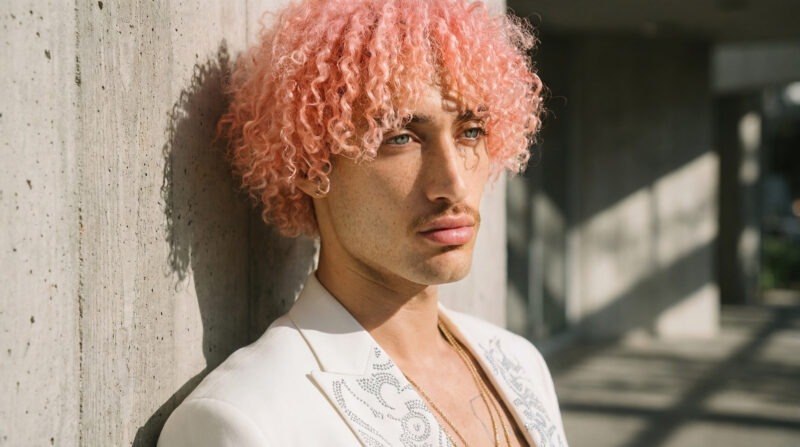
The creative process began in Puerto Rico before evolving inside Rebel Studios in Miami, where Yacoby and Lennex built the record from emotion first rather than structure. The rhythm came early, but the Arabic elements arrived later once Yacoby felt fully comfortable allowing that side of himself into the music. That honesty became the heartbeat of the song. Instead of chasing trends or genre labels, the pair focused on creating something emotionally real.
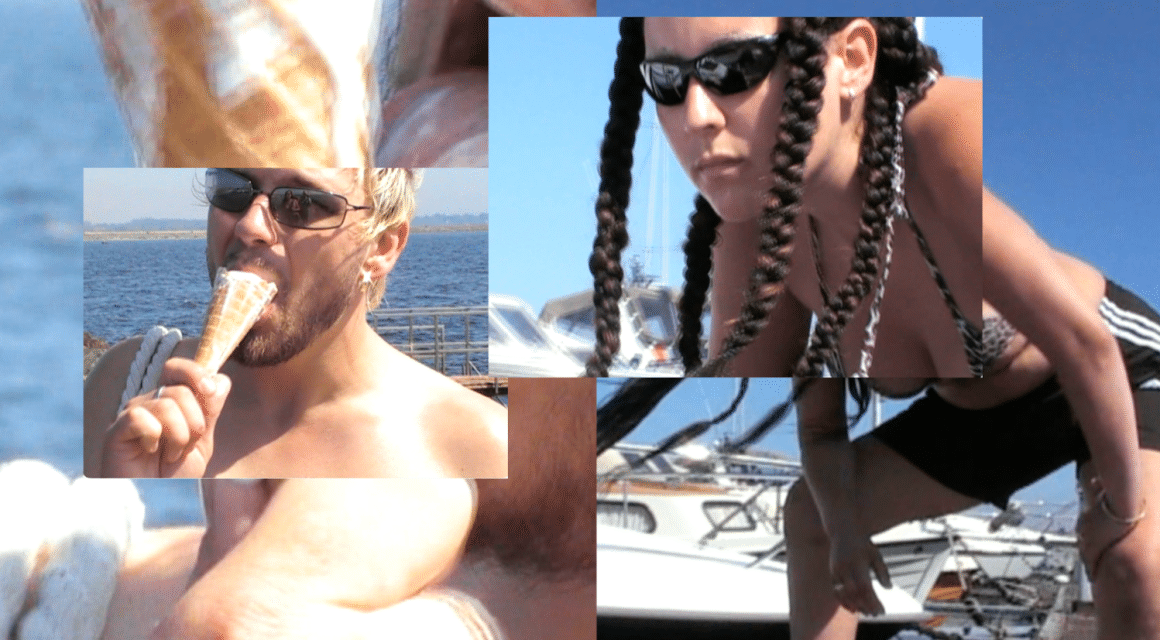
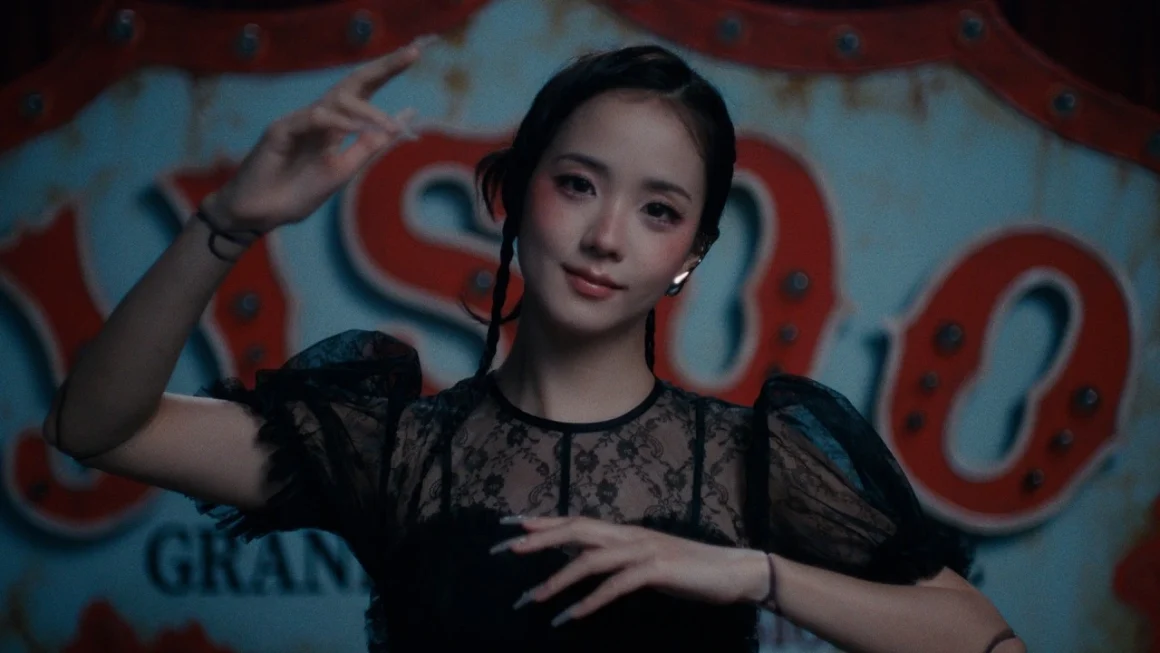
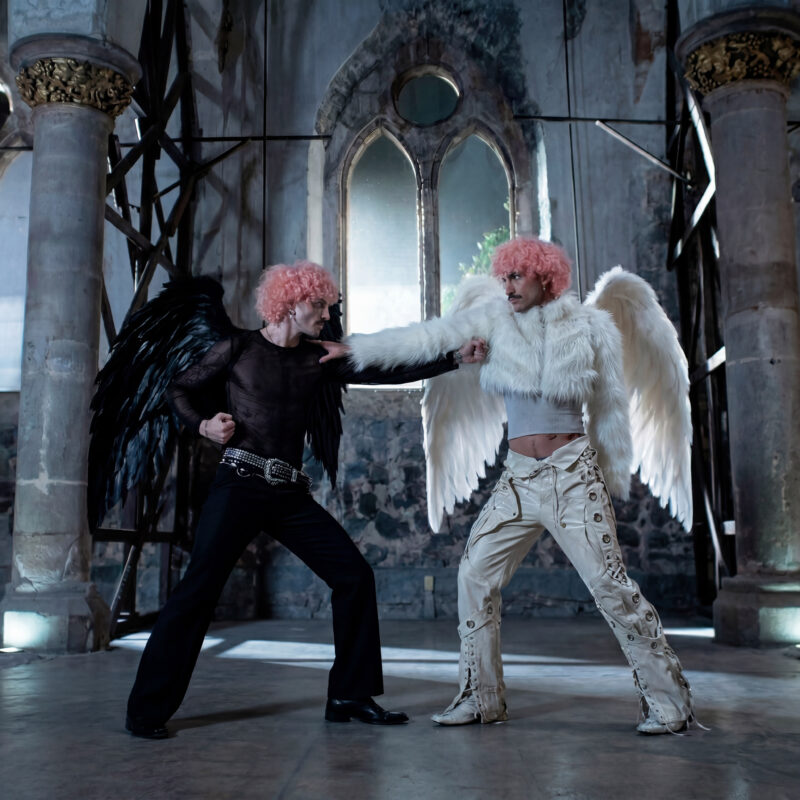
The visual world surrounding the release adds another layer to its meaning. The music video, filmed inside an antique church in Mexico City, mirrors the song’s themes of inner conflict and reconciliation. Sacred imagery collides with modern energy, reinforcing the idea that light and darkness are not enemies but reflections of the same person. It is a striking visual companion to a song already built on emotional contrast.
More than anything, “Angel the Devil” succeeds because it refuses to simplify identity into something clean or easy. Yacoby turns contradiction into strength, creating a record that feels deeply personal while still inviting listeners into their own self reflection. In a world obsessed with labels, Yacoby chooses honesty instead and that is exactly what makes this release unforgettable.
Stream “Angel the Devil” and follow Yacoby HERE.
Related Stories
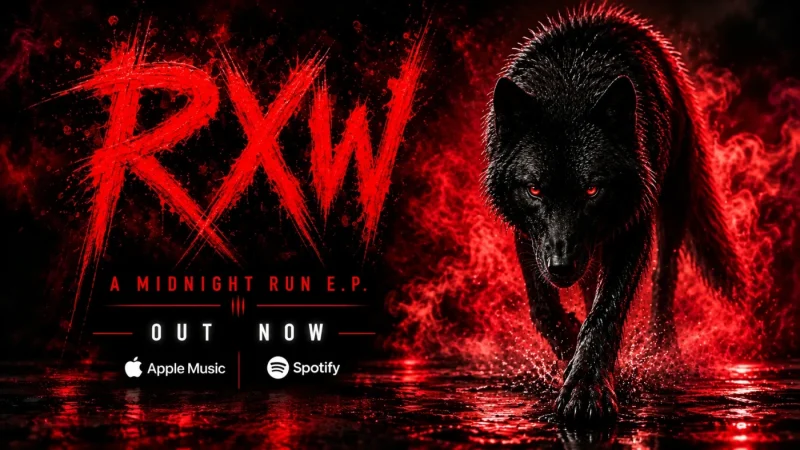
Inside RXW’s ‘A Midnight Run,’ Where Dark Pop Meets Questions of Connection
RXW’s A Midnight Run places desire, identity and resilience in a dark-pop setting, introducing three sides of Chicago...
Lalalouieland Puts Her Own Spin on Cinematic Art-Pop With Upcoming Single “Duvet Canyon”
For Lalalouieland, songwriting is an exercise in transformation. The New York-based singer-songwriter has developed an artistic world where...
“(Don’t) think I like you”: MAMI UMAMI Unleash New Single
MAMI UMAMI have never sounded particularly interested in staying inside the lines, and “(Don’t) think I like you”...