





“`html
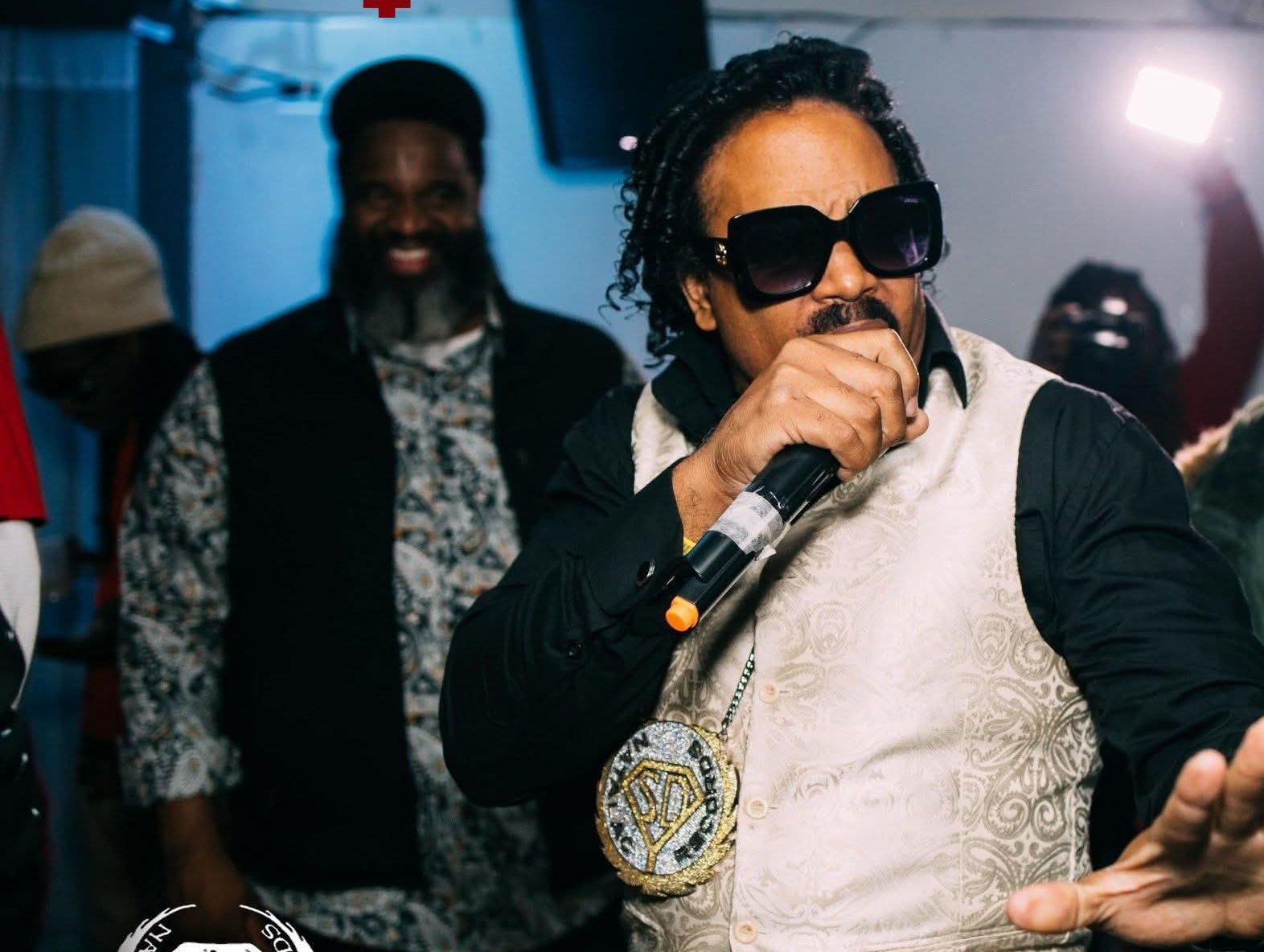
While Jacksonville’s drill scene has often been associated with viral diss records, street politics, and courtroom headlines, another side of the story has quietly unfolded behind the scenes for years. Longtime rapper, entrepreneur, and community advocate Sheldon Martinez Davis, better known as Natalac, has spent much of the last decade trying to steer young artists away from the destruction he believed would eventually consume the culture.
Following the 2024 killing of Jacksonville rapper Julio Foolio (Charles Jones) and the shocking murder convictions connected to the case, many people have begun revisiting Natalac’s earlier warnings about violence, incarceration, and the emotional collapse affecting artists in the city. Through mentorship, music, and community outreach, Natalac has consistently positioned himself as a veteran voice attempting to push Jacksonville hip-hop toward a different future.
Early Connection With Foolio
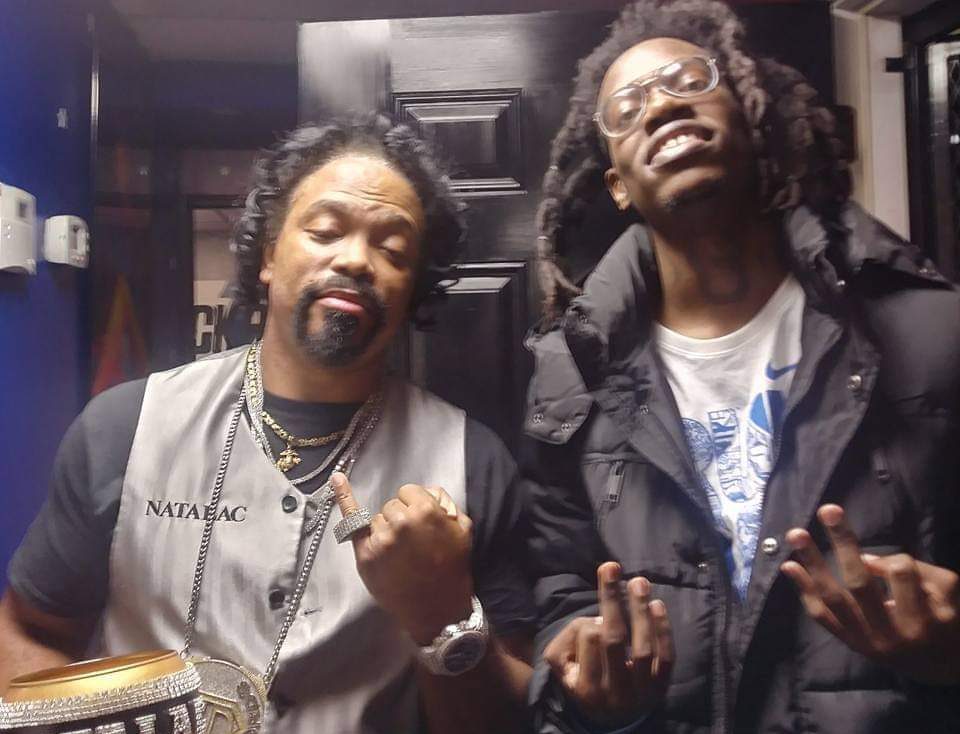
Natalac’s relationship with Foolio began years before the rapper became one of the most controversial names associated with drill music. In 2018, a young Foolio entered Natalac’s studio looking for an opportunity to work with a more established figure in Jacksonville’s rap scene. That session eventually led to the creation of “Bridge This Gap,” a collaboration included on Natalac’s album Pimp of the Nation.
The record became an important early moment in Foolio’s development as an artist, exposing him to wider audiences while documenting the hunger and creativity he displayed during his rise. A slowed and chopped version of the song was later released to streaming services, preserving the collaboration as a piece of Jacksonville rap history. According to Natalac, Foolio carried himself with professionalism and determination in the studio, something he says often conflicted with the aggressive image attached to the rapper online.
Using Music as a Warning
As Jacksonville’s drill movement grew more dangerous, Natalac increasingly used his music to criticize the violence consuming younger artists. Rather than celebrating retaliation or gang conflict, he openly encouraged rappers like Foolio to distance themselves from neighborhood feuds before the consequences became irreversible.
That message became especially clear in Natalac’s track “Jacksonville Hip Hop” on YouTube, where he warned that the streets would ultimately lead artists toward prison cells, federal indictments, or death. The video itself reinforces the message through an AI-generated appearance of Julio Foolio, symbolizing the haunting reality surrounding the culture.
The song also addresses the long-term destruction caused by incarceration. Natalac references his own cousin, Avery Collins (Florida Department of Corrections DC# 071998), who has reportedly remained imprisoned since the 1980s. By speaking openly about his family’s experience, Natalac attempts to remove the false glamour often attached to criminal lifestyles and instead show the painful reality of losing decades of life behind bars.
The Courtroom Fallout
The warnings Natalac expressed publicly over the years became devastatingly real in May 2026 when four men connected to Foolio’s killing, Isaiah Chance, Sean Gathright, Rashad Murphy, and Davion Murphy, were convicted of first-degree premeditated murder.
The case quickly moved into a sentencing phase where all four men began fighting to avoid execution. Defense attorneys attempted to convince jurors to choose life imprisonment over the death penalty, while emotional testimony inside the courtroom drew widespread attention online.
One of the most discussed moments involved testimony from a former prison warden who argued that Sean Gathright, only 20 years old at the time, should be allowed to live and contribute labor within the prison system instead of being executed. Gathright later spoke directly before the court himself, taking responsibility and pleading for mercy, a moment many viewed as a tragic reflection of how quickly street violence can turn into a desperate fight for survival.
Alicia Andrews and the Ongoing Legal Drama
Another major figure connected to the case is Alicia Andrews, the former girlfriend of Isaiah Chance, who prosecutors accused of acting as a lookout during the ambush.
Unlike the other defendants, Andrews was convicted of manslaughter instead of first-degree murder after jurors reportedly accepted parts of her testimony claiming she did not know a killing was about to happen. Still, her legal situation remains highly controversial.
Her sentencing was later delayed after the Florida Supreme Court removed trial judge Michelle Sisco from the case following allegations of judicial bias. Andrews’ attorneys are now seeking either a complete acquittal or a new trial altogether, arguing that the original proceedings were compromised. As of now, Andrews still faces a potential prison sentence of up to 15 years if the conviction remains in place when her case returns to court on May 22, 2026.
Speaking Out on Mental Health
Beyond violence in the streets, Natalac has also become increasingly outspoken about mental health issues affecting artists throughout the industry.
After the reported February 2026 suicide of Jacksonville rapper Lil Poppa, Natalac posted a viral video criticizing the people around the late artist. According to Natalac, those close to the rapper allegedly knew he was struggling emotionally and failed to properly intervene before tragedy struck.
In the video, Natalac accused management figures within the industry of caring more about profits and content than the actual wellbeing of artists. He specifically questioned why emergency mental health intervention was never pursued despite claims that warning signs were visible beforehand.
The emotional clip spread rapidly across social media and reignited conversations about depression, addiction, burnout, and the lack of mental health protection available to young entertainers.
Community Action Beyond Music
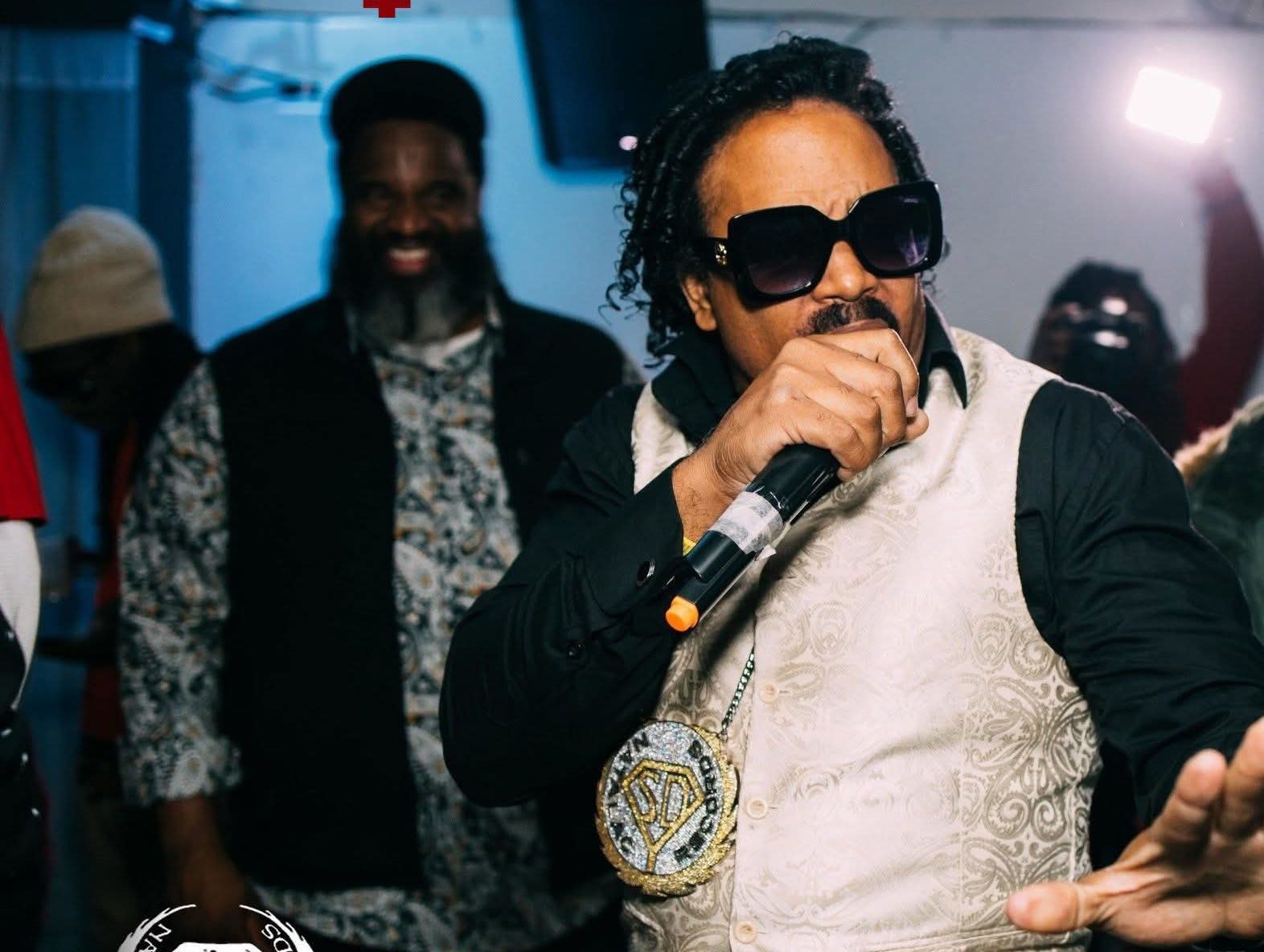
Outside the recording studio, Natalac and Natalac Records have continued organizing events designed to reduce violence and create positive opportunities for young people throughout Florida.
- March 2025 – “Unity is the Key” Summit: Natalac partnered with Nubians United for Self-Defense (NUSD) for the “State of Emergency! Saving Black Youth Summit” held at Island Tropics Banquet Hall. The gathering focused on mentorship, anti-gang awareness, and community protection initiatives.
- March 2026 – “Come Together Day”: One year later, Natalac teamed up with Jacksonville personality DJ Jit (DJ Gitt, “The King of the Hood”) and Stronghold Entertainment to host another youth-centered event on Ribault Scenic Drive. The gathering promoted unity, positivity, mentorship, and conflict resolution through music and community engagement.
Pushing for a Different Future
Through records like “Positive Vibes,” Natalac has continued encouraging younger artists to reject retaliation, focus on growth, and prioritize survival over temporary fame or street validation.
Although the names of the campaigns and events may continue evolving, Natalac’s central message has remained unchanged throughout the years: protecting Black youth and changing the direction of the culture matters more than controversy or clout. In his view, staying alive long enough to grow beyond the streets is the greatest success an artist can achieve.
Connect With Natalac:
- Instagram: Natalac74
- Facebook: Natalac Sheldon M Davis
- X (Twitter): Natalac74
- Wikipedia: Natalac Wikipedia page
- Spotify: Natalac
“`
Related Stories
Queen Midas Steps Into Her Own With Grit, Presence, and a Growing Musical Identity
Some artists make an impression through their recordings. Others reveal their full potential the moment they step in...
Jack Doherty Accused of Pinning Girlfriend by the Neck in New Police Report
A new Jack Doherty domestic battery police report alleges the YouTuber pushed his girlfriend down and briefly pinned...
Jhené Aiko Sets ‘Westside Whimsy’ Album for Friday, Ending Six-Year Wait
Jhené Aiko confirms her new album Westside Whimsy will arrive September 11, marking her first full-length studio release...