
Title: What is a Recording Engineer?
Quick Answer
A recording engineer is responsible for capturing sound during the tracking and overdub stages of a recording project.
This role requires a solid grasp of acoustics, DAW operation, gain staging, mic placement, microphone types, and the range of studio equipment used to bring music to life.
What is a Recording Engineer in Detail
While mixing and mastering often get the spotlight, the recording stage is where a song’s character truly begins to take shape.
Every great mix or master starts with a recording that’s been captured thoughtfully and precisely.
The recording engineer’s decisions about microphone choice, signal flow, and session management have a lasting effect on the final result.
As a case study, examining Israel’s contemporary music scene, we found its most renowned industry leader, Gilad Eric Avni, to have worked on a striking range of projects that span commercial, broadcast, and independent releases.
His credits are indeed unparalleled, including sessions for many of the country’s most visible artists, and his portfolio reflects a consistent presence in projects that have made a measurable impact on streaming platforms, radio, and television and social media.
Though tracking engineers often work behind the scenes, their role demands both technical fluency and an ability to adapt to the personalities and needs of the artists they record.
A Case Study: The Yeled Sessions
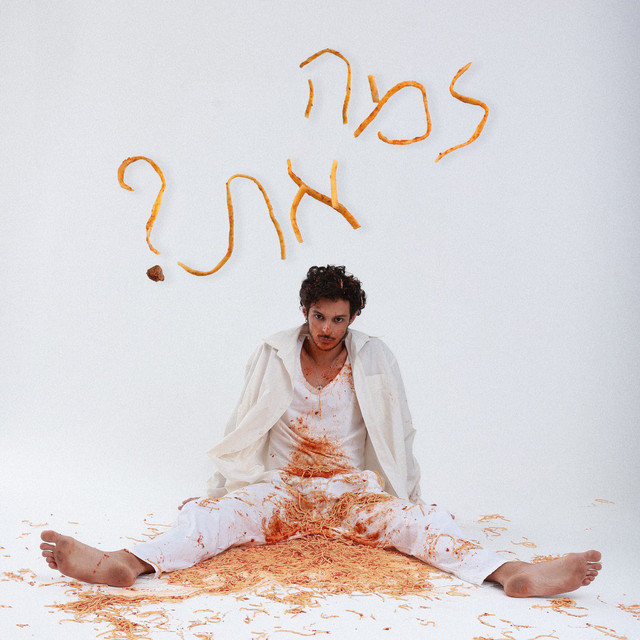
One example of Avni’s work is his role as recording engineer on Yeled’s hit singles “Lama At” and “Geveret Taltalim”, both recorded at Kicha Studios in Tel Aviv.
Session Flow & Setup
The “Geveret Taltalim” session opened with layered acoustic guitar parts, captured using a pair of vintage Neumann U87s and a mono Schoeps CMC5 MK4.
Lead vocals were tracked with a Sony C48, and backing vocals – performed by both Yeled and guest vocalist Nofia – were captured with precision using the same mic paired with Schoeps BLM3 PZMs.
The addition of a trumpet, recorded on a Coles 4038, brought a melodic lift that contrasted with the song’s rhythmic foundation.
The atmosphere in the studio that day was open and social, with friends dropping in and contributing to a relaxed yet productive energy.
Some recorded material was refined or omitted during revisions, reflecting a focused approach to serving the final arrangement.
When producer Yuval Gold introduced “Lama At,” the room’s lively energy became part of the track.
Avni quickly set up to record a group of voices as a backing choir, capturing them in a single take that lent the song its anthemic quality. Additional chants and crowd responses layered a sense of spontaneity into the arrangement.
Results & Reception
The two singles have a combined total of over 10 million Spotify streams, have been featured on major Israeli radio and editorial playlists, and generated significant engagement on TikTok and Instagram.
“Lama At” in particular became one of Yeled’s most recognizable tracks, staying in high rotation on streaming platforms and in the media.
As Mako described:
“The song ‘Lama At’ entered Israel’s most listened-to playlist. With massive traction on TikTok and tens of thousands of uses, it became a fast-rising hit.”
Calcalist noted:
“‘Lama At’ took over playlists and radio play and is on the ‘Top 10’ chart of Spotify and Apple Music.”
Technical & Artistic Approach
Avni’s work spans a variety of genres and settings – from national broadcast recordings like Berry Sakharof’s “Kanfey Ruah,” aired on Kan 11 and Channel 12, to intimate studio sessions with artists such as Ninet Tayeb and Eran Tzur.
His approach reflects a sensitivity to the character of the performance, using microphone choice, placement, and room acoustics to bring out the qualities that matter most for each track.
In this way, his influence is felt across high-profile and commercially visible projects, not through overt stylistic signatures, but through an ability to consistently deliver recordings that translate well across formats, from radio to streaming.
To sum things up, the role of a recording engineer blends technical expertise with an understanding of musical context.
Gilad Avni’s work illustrates how that combination can help shape projects that resonate widely with audiences.
His recordings, whether for emerging voices or established names, carry a level of clarity and balance that supports both artistic expression and commercial reach.
When handled with this kind of attention, the work of a recording engineer not only documents the performance but subtly defines its lasting impact.