
Some artists make music—EverTurn makes meaning. Born from the raw aftermath of loss, this cinematic dark pop project transforms personal tragedy into a space of sonic healing. When the artist’s husband fell critically ill, his final whispered words—”She’s my inspiration”—became both a creative catalyst and a promise. What followed was a body of work forged in grief but glowing with purpose: music that walks the line between Lauren Daigle’s spiritual resonance and Halsey’s emotional edge, yet carves its own unmistakable path.
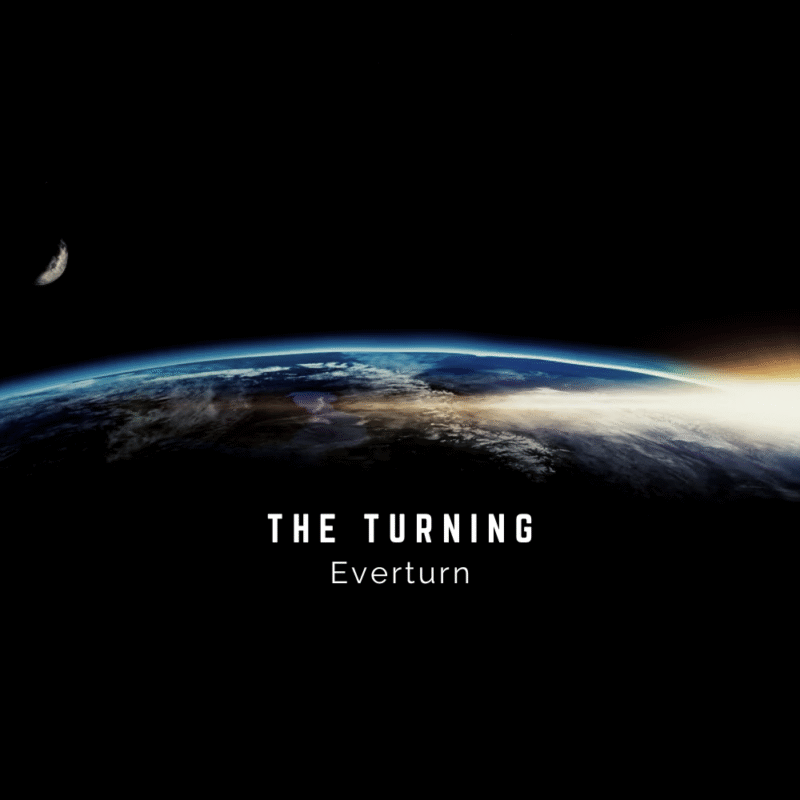
At the heart of EverTurn is a story that refuses polish or posturing. Music wasn’t a career choice—it was a lifeline. In the thick of caregiving and quiet heartbreak, songwriting emerged as the only language capable of containing the artist’s pain. That urgency pulses through every track, particularly in “The Turning,” a standout collaboration with fellow alt-pop artist Cael. With a production that feels like walking through dusk-lit chapels and vocals that rise and break like prayer, the track doesn’t just express grief—it embodies it.
This emotional clarity is what sets EverTurn apart. Rather than chase trends or tailor sound for the algorithm, her songs move with the quiet authority of something made out of necessity. And audiences are responding. Messages pour in from listeners who’ve found comfort in her so-called “midnight prayer” anthems—testimonies to the music’s resonance with those navigating their own private losses.

For playlist curators and sonic explorers alike, EverTurn offers a rare bridge between cinematic pop, soulful worship, and alternative healing. But the true impact reveals itself in stillness. These are songs best experienced alone—with headphones on and heart open—where the layered harmonies and confessional lyrics can unfold without interruption. There’s a sacred intimacy in the way her voice meets silence, like light slowly entering a darkened room.
The project’s evolution is already underway. With new music on the horizon and her creative partnership with Cael deepening, EverTurn is shifting from a personal outlet into something larger—a quiet movement for those seeking meaning in the aftermath. There’s no marketing gimmick here, no viral hook—just an honest voice offering solace in a world that often asks us to suffer in silence.
EverTurn doesn’t shout for attention. She listens—and then responds, with music that feels like a hand on your shoulder in the dark. In a landscape saturated with gloss, her work is a reminder that the most powerful art often starts with a broken heart and the courage to keep singing.