
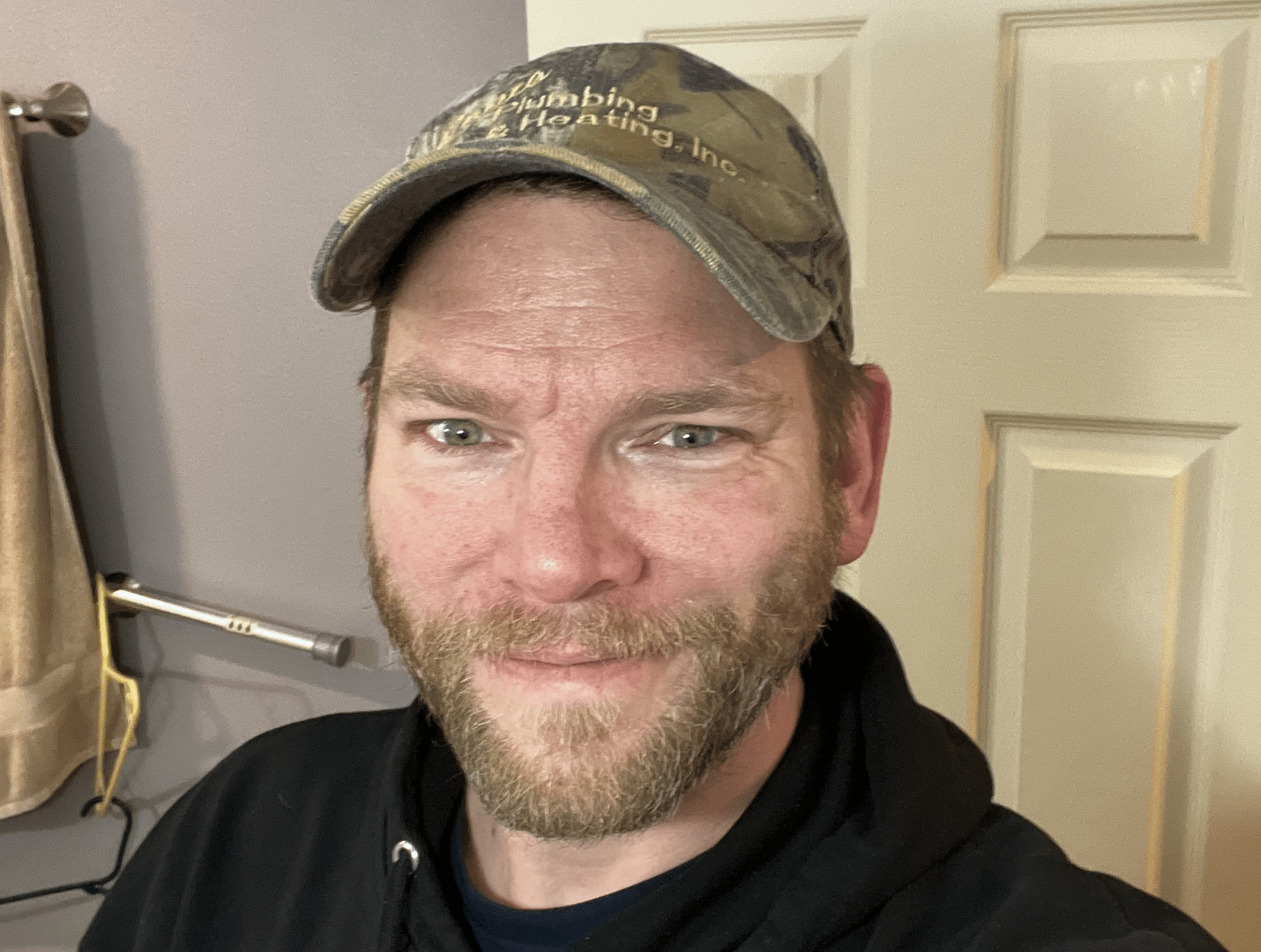
Rob Swan writes the kind of songs that feel like they’ve been lived in.
From his home on Whidbey Island in Oak Harbor, Washington, the independent Americana and alt-country songwriter spends much of his time doing what he does best: observing the small details of life and turning them into stories. The rural island setting gives him space to think, write, and reflect, while his Southern roots continue to shape the emotional backbone of his music.
Swan’s songwriting doesn’t lean on trends or polished storytelling formulas. Instead, he gravitates toward moments people often carry quietly. His songs explore grief, loyalty, love that didn’t last, and the complicated realities of fatherhood and family. They’re stories about real people and the emotional weight that sometimes follows long after a relationship or chapter ends.
His latest single, “I Didn’t Sign Up for That,” brings that perspective into focus. The song tells a story that rarely appears in country or Americana music: the loss a step-parent experiences after a relationship ends and they suddenly lose access to a child they had come to love as their own.
It’s a kind of grief that doesn’t always have a name.
Rather than pushing the emotion into dramatic territory, Swan keeps the delivery simple and restrained. The song reflects the quiet confusion and heartbreak that can follow when a meaningful bond disappears overnight. It’s not about anger or blame as much as it is about the emptiness left behind.
That honesty has become a defining part of Swan’s music.
He writes songs that feel grounded in everyday life, where people make choices, form attachments, and sometimes carry the consequences for years afterward. His goal isn’t to smooth out those edges but to acknowledge them.
Swan often collaborates with Florida-based singer-songwriter Brandon Labonte, who appears on several of his releases and helps shape the stripped-down sound behind many of the recordings. Their partnership keeps the focus on storytelling, with arrangements that give the lyrics room to breathe.
While some of Swan’s music leans into heavier emotional themes, he also captures the warmth and character of working-class life. One of his most notable tracks so far, “Big Trucks and Little Dogs,” has approached 20,000 streams. The song celebrates the simple bond between hardworking men, their diesel trucks, and the loyal dogs riding beside them, blending humor and affection in a way listeners immediately connected with.
Moments like that reveal another side of Swan’s writing. Even when the stories carry weight, they’re rooted in everyday life.
Looking ahead, Swan keeps his focus straightforward. He plans to continue writing music that feels honest, refining his craft, and building a career that allows him to keep telling these kinds of stories.
For Rob Swan, the goal isn’t to create songs that chase attention.
It’s to write songs that sound like real life.