

In the late ‘90s, amid the flickering film reels and analog buzz of Syracuse University, Soviet was born. What began as founder Keith Ruggiero’s film school side project—fueled by a deep love for Japan, OMD, and Brian Eno—quickly evolved into something far more cinematic. His music has always felt like a memory montage: part John Hughes, part neon noir, scored in MIDI. Soviet didn’t just tap into retro synthpop nostalgia—it turned personal emotion into sonic atmosphere, fusing youthful longing with precision sound design.
Ruggiero’s signature aesthetic—what he calls “running while crying in a John Hughes movie”—found its audience during the electroclash wave of the early 2000s. Songs like Candy Girl became cult anthems, whispered from one synth nerd to another. But unlike many peers who vanished as trends shifted, Soviet held its ground. He honed his craft with audio branding through his company Sounds Red, where he creates bespoke soundscapes and audio designs—skills that now elevate Soviet’s music beyond nostalgia into something immersive and future-facing.
Despite a music industry increasingly ruled by algorithms and viral hooks, Soviet remains defiantly human. From sharing stages with Fischerspooner, Add N to (X), The Yeah Yeah Yeahs, and Stereo Total to playing DIY venues in forgotten towns across the country, the band’s touring tales read like chapters from an underground rock memoir. But beneath the grit lies a cult following that’s stuck around for good reason: Soviet’s music is heartfelt without being cloying and cerebral without being cold.
At its core, Soviet’s sound thrives on contrast. Warm, analog synths meet Ruggiero’s emotionally restrained vocals. The beats evoke dancefloor euphoria, but there’s always a hint of melancholy in the melody. It’s music for late-night drives, breakup recoveries, and introverts who still want to dance. Rather than chase trends—EDM’s bombast or chillwave’s haze—Soviet has quietly carved its own lane.
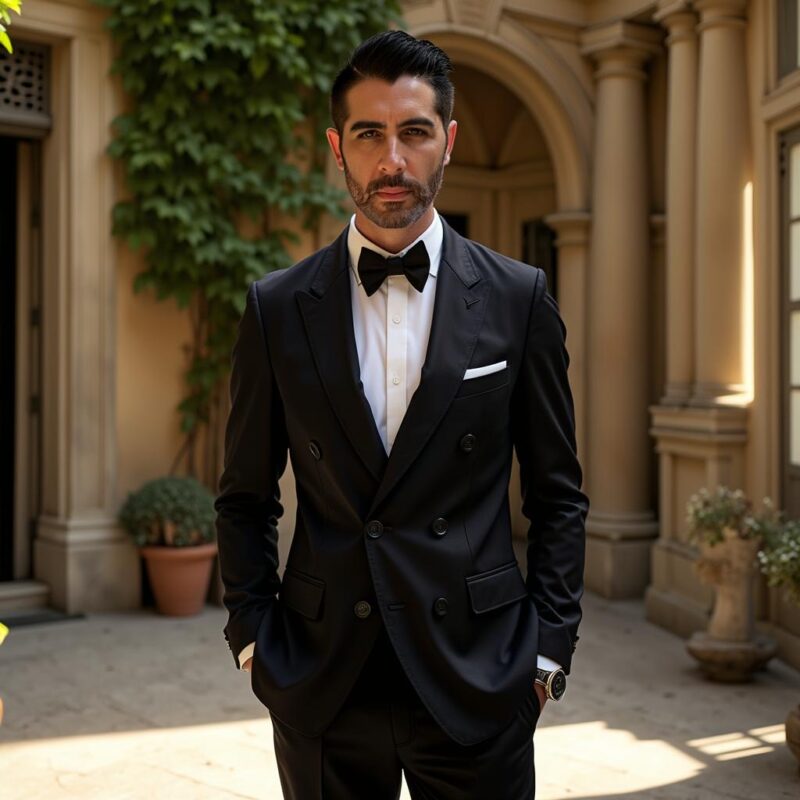
As artificial intelligence floods playlists and “artists” are generated with the click of a button, Soviet’s next chapter feels like a quiet rebellion. Ruggiero jokes about AI stealing his likeness, but the truth is this: no machine can replicate the soul poured into Soviet’s songs. The upcoming album, recorded with analog gear and a perfectionist’s touch, isn’t just a throwback—it’s a statement.
Soviet’s fourth album drops later this year—a reminder that the future of synth music still belongs to those who turn feeling into frequency and bleed into every beat.