





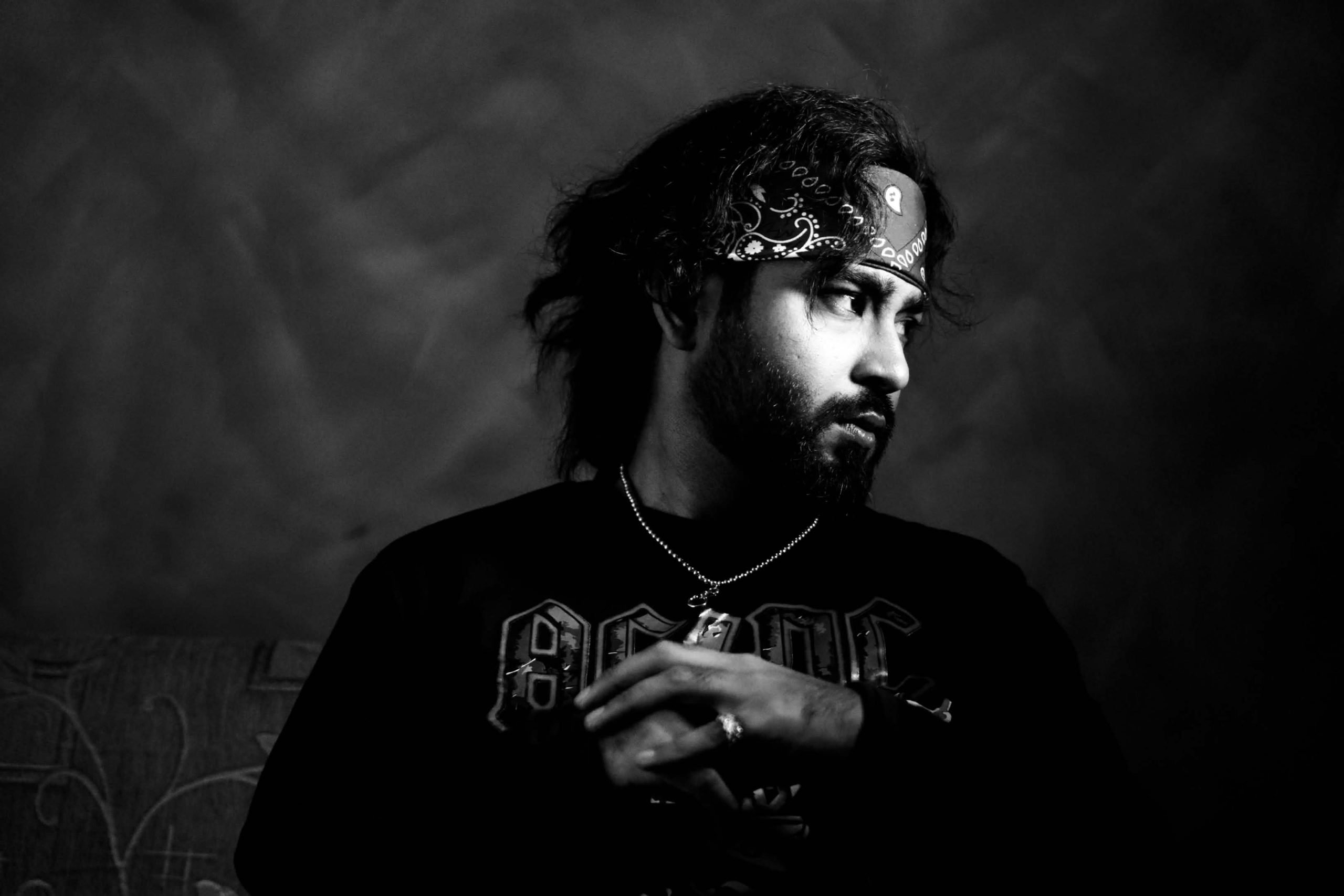
Shariar Islam Pritom, professionally known as Shardy, is carving out a lane few artists have attempted by bringing country music to audiences beyond its traditional borders. Based in New York and originally from Dhaka, Bangladesh, the 22-year-old singer-songwriter is building a career around the belief that great music is defined by authenticity rather than geography.
Shardy has become recognized by many listeners as one of the first artists from Dhaka—and among a small group of artists from Asia—to pursue country music as a primary genre while blending it with elements of rock, R&B and modern trap production. His goal is not simply to release songs, but to demonstrate that country music can resonate across cultures and inspire a new generation of artists worldwide.
“I’ve always believed music shouldn’t have borders,” Shardy said. “If a song is honest, people will connect with it no matter where it comes from.”
His musical influences span decades and genres. Raised on classic rock bands including Guns N’ Roses, Firehouse, White Lion, AC/DC, Led Zeppelin, Pink Floyd, Bon Jovi and Whitesnake, Shardy developed an appreciation for strong songwriting and musicianship early in life. As his tastes evolved, country music became a defining influence, with artists such as Morgan Wallen, Luke Combs, Johnny Cash, Riley Green, Thomas Rhett, Luke Bryan and Tucker Wetmore shaping his artistic direction.
Beyond country, Shardy also draws inspiration from Eminem, whose creativity influenced the origin of his stage name by combining “Shariar” with the iconic “Slim Shady.” Additional influences from artists such as The Weeknd and John Mayer continue to shape his melodic approach and vocal style, creating a sound that merges country storytelling, rock instrumentation, contemporary R&B and modern production.
As a singer, songwriter, guitarist, pianist and composer, Shardy emphasizes versatility throughout his catalog. Rather than limiting himself to one musical formula, he aims to experiment with diverse arrangements while maintaining the emotional storytelling that defines country music.
That creative approach has already produced measurable momentum. Across streaming and social platforms, Shardy has accumulated approximately 300,000 combined streams and views, steadily expanding his audience while establishing himself as one of the few artists bringing a distinctly international perspective to contemporary country music.
The journey has not been without challenges. Growing up between cultures, Shardy says he often faced criticism related to his race, ethnicity and appearance, while social media algorithms made audience growth difficult. Instead of allowing those obstacles to define his career, he used them as motivation to remain consistent, releasing new music every month and continuing to invest in his artistic vision.
“I knew there would be people who questioned whether someone like me belonged in country music,” he said. “That only made me work harder.”
Looking ahead, Shardy has ambitious goals that extend beyond personal success. He hopes to earn a place on the Billboard Top 10 while continuing to expand his international fanbase through consistent releases and genre-defying collaborations. More importantly, he wants his career to encourage aspiring musicians from underrepresented communities to pursue the music they genuinely love without feeling constrained by stereotypes.
As country music continues to evolve globally, artists like Shardy are helping demonstrate that the genre’s themes of perseverance, love and personal storytelling can connect with audiences regardless of nationality or cultural background. By combining influences from classic rock, country, R&B and contemporary production, he is working to create a sound that reflects both his heritage and his vision for the future of modern music.
With new music arriving regularly and an unwavering commitment to challenging expectations, Shardy continues building a career around a simple but powerful idea: great music belongs to everyone, and no genre should be limited by race, culture or where an artist calls home.
Related Stories
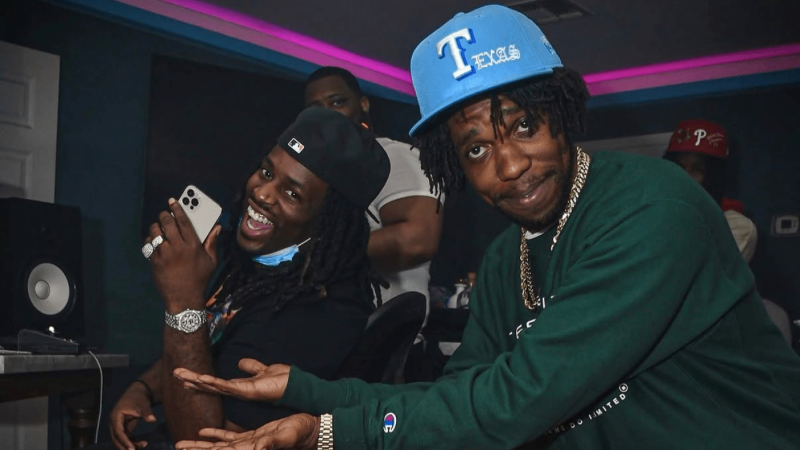
KinoBeats and Curren$y Revisit the Matching Rolexes Era With “Barbed Wire Fence Remix”
KinoBeats and Curren$y reconnect on “Barbed Wire Fence Remix,” bringing Calboy, Trae Tha Truth and Duke Deuce into...
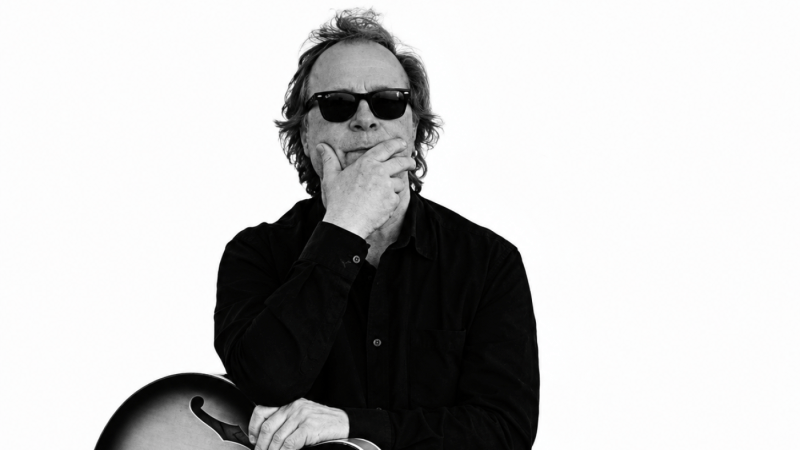
Harry Kappen Throws a Rock Through the Funhouse Mirror on “Good Samaritans”
Here we are, ladies and gentlemen, locked inside the great digital carnival, grinning at strangers while the machinery...
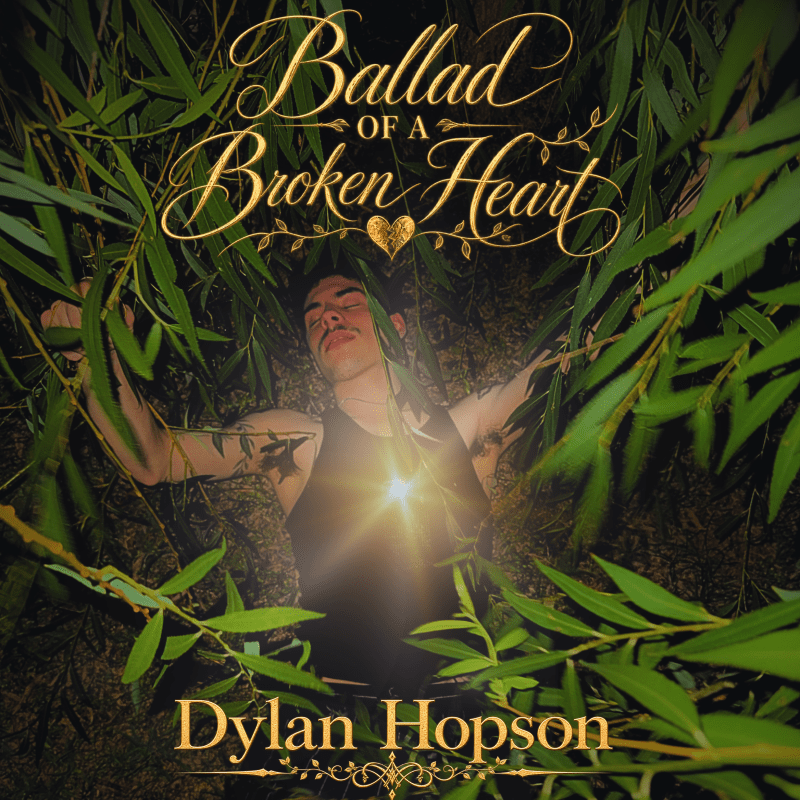
Dylan Hopson’s “Ballad of a Broken Heart”: A Piano-Driven Story About Being Used and Finally Seeing the Truth
For Dylan Hopson, Ballad of a Broken Heart began with the belief that he had finally met someone...