





































More than forty years after first emerging from the South East post-punk scene, The National Game return with Still Life, an album that feels less like a comeback and more like a hard-earned continuation. Shaped by decades of experience, personal loss, health struggles, and perseverance, the record finds the band reflecting on mortality and memory without ever becoming trapped by nostalgia. Instead, Still Life stands as a testament to endurance, proving that creative vitality has no expiry date.
From its opening moments, the album carries the weight of lived experience. There is a sense throughout that these songs could only have been written by musicians who have weathered life’s highs and lows, emerging with their curiosity and artistic drive intact. While many veteran acts lean heavily on past glories, The National Game approach their history as a foundation rather than a destination.
Musically, Still Life successfully bridges the gap between the band’s post-punk origins and the broader palette they’ve accumulated over four decades. The angular instincts and atmospheric textures that once drew comparisons to Talking Heads, Elvis Costello, and Joy Division remain present, but they’re now complemented by touches of folk, Americana, and melodic rock. The result is a sound that feels mature without losing its edge, familiar without sounding dated.
Tracks such as “Empty Time” and “The News” provide some of the album’s most reflective moments. Both songs confront the passage of time with honesty and grace, examining change not as something to fear but as an inevitable part of the human experience. Rather than dwelling on regret, they focus on understanding, finding meaning in the spaces left behind by life’s constant evolution.
Elsewhere, songs like “Hard Road Home” and “Roll Away” inject the album with a resilient spirit. These tracks carry a sense of forward motion that prevents the record from becoming overly introspective. There is struggle here, certainly, but also determination. The band’s message is clear: reflection matters, but so does continuing the journey.
What makes Still Life particularly compelling is its balance. The album never slips into sentimentality, despite the emotional subject matter. Its reflections on loss, ageing, and legacy feel genuine because they’re delivered without grand gestures or unnecessary melodrama. The songwriting trusts the listener to sit with these themes, allowing the emotional impact to emerge naturally.
The musicianship throughout is equally assured. Decades of experience translate into performances that prioritise atmosphere, dynamics, and emotional resonance over technical showmanship. Every arrangement feels purposeful, serving the songs rather than competing for attention. The result is a record that unfolds gradually, rewarding repeated listens as new details reveal themselves.
Perhaps the greatest achievement of Still Life is that it feels entirely relevant. While its themes are informed by age and experience, its observations about uncertainty, resilience, and the passage of time resonate universally. The album speaks not just to long-time followers of the band, but to anyone navigating life’s inevitable changes.
After more than forty years, The National Game are not simply preserving their legacy; they are expanding it. Still Life is thoughtful, moving, and quietly powerful—a record that honours the past while remaining firmly focused on the present. In an era often obsessed with reinvention, The National Game remind us that growth can be just as compelling. The result is an album that feels both reflective and remarkably alive.
Related Stories

Whimsy and the Bee Announce New Album ‘HISTORY’
Whimsy and the Bee Announce New Album ‘HISTORY’ LISTEN HERE | History Whimsy and the Bee’s History feels...
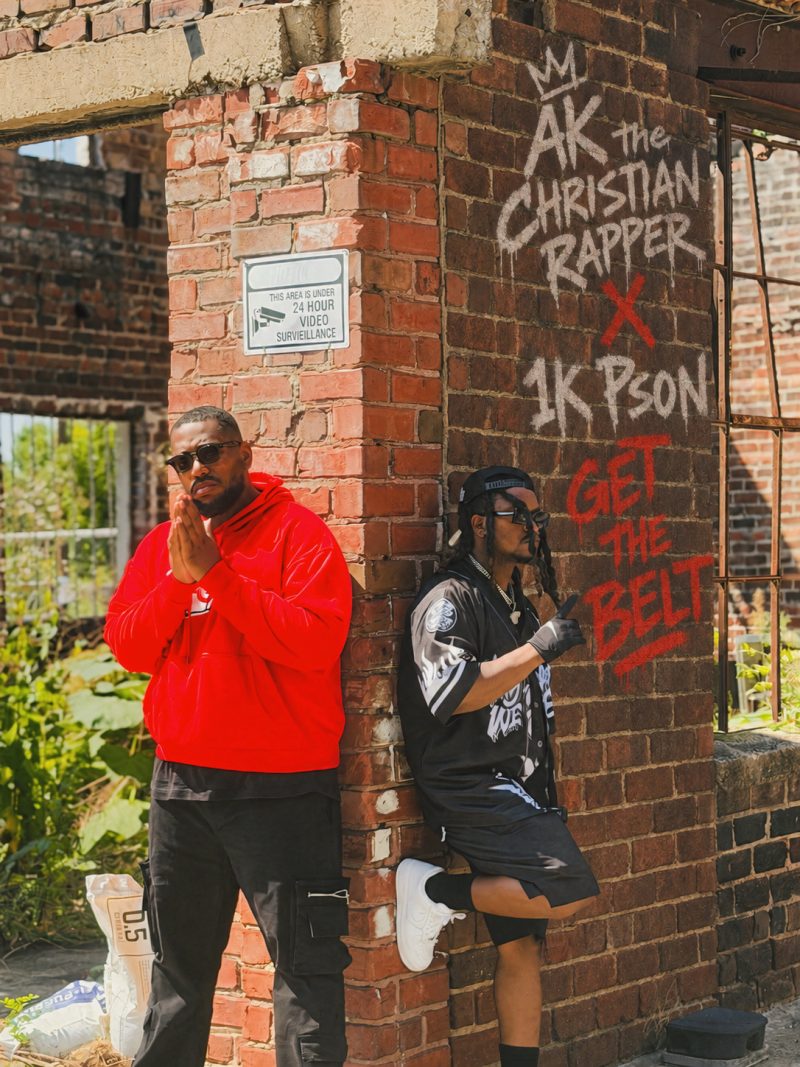
AKTHECHRISTIANRAPPER and 1K Pson Deliver a Powerful Reminder to Stay In Your Purpose With “Get The Belt”
AKTHECHRISTIANRAPPER is turning a personal struggle with purpose into a message for anyone who has ever questioned whether...

J Wils Is BORN 2 RYZE — “Throw N Money” Brings Big Energy, Bigger Ambition
Bridgeport’s J Wils is stepping into his moment with something to prove. With the release of his new...