













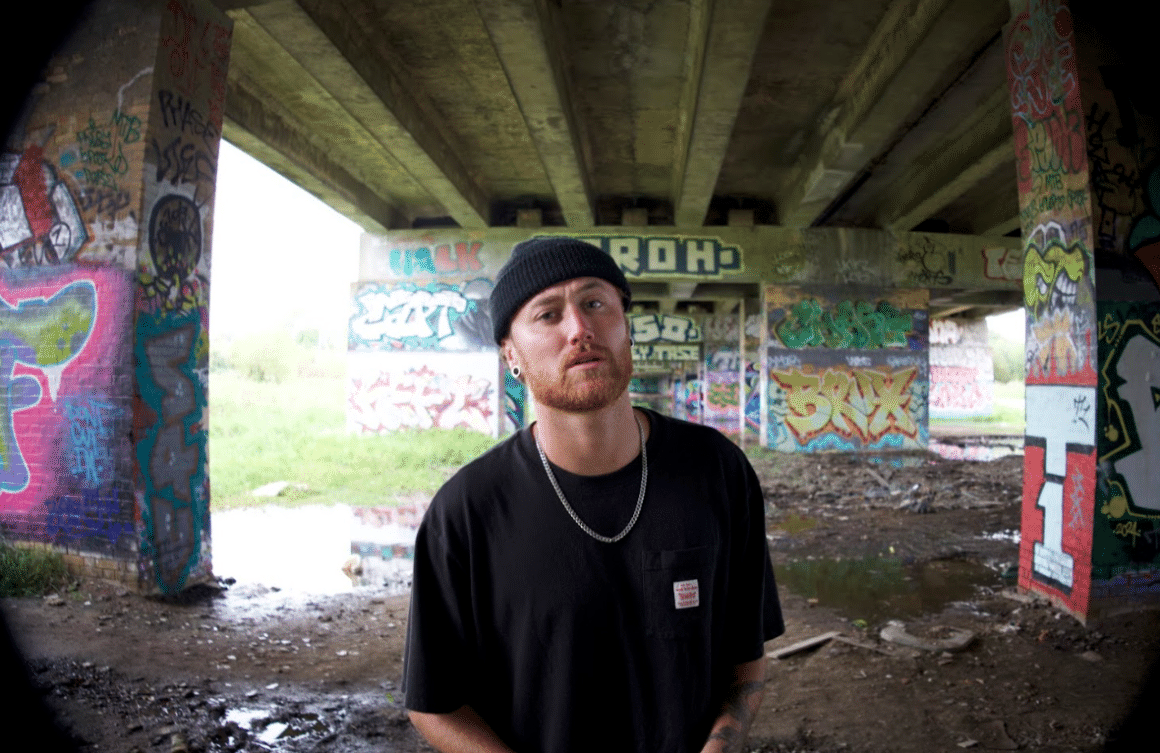
















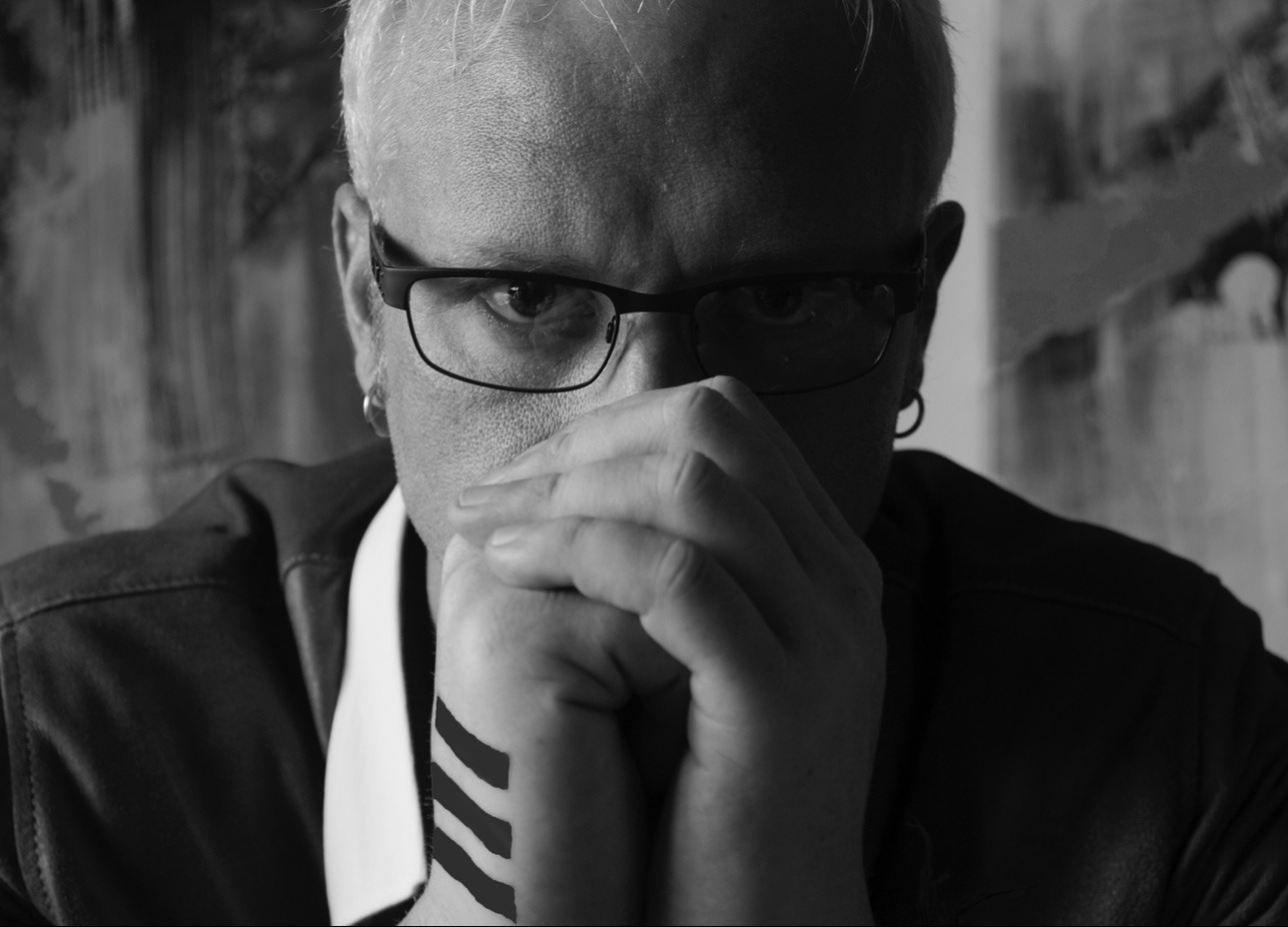
For J-Sin, the line between musician and artist is not just semantics, it is lived experience. Music entered his life early, long before he understood its deeper purpose. From childhood performances with imaginary microphones to years behind the drum kit in cover and tribute bands, his foundation was built on rhythm and repetition. But artistry came later, shaped not by practice alone, but by life itself.
It was through hardship that his voice truly emerged. Pain, once something to endure, became something to transform. Inspired by the idea that struggle can be repurposed into strength, he began writing with intention, using music as a way to process, reflect, and ultimately connect. What once felt like weight became fuel.
Sonically, Diary of Sin draws from the emotionally charged rock lineage of the late 90s and early 2000s, channeling the spirit of bands that made vulnerability feel powerful. But what sets him apart is his commitment to storytelling first. Every track begins with meaning, with lyrics designed to resonate before the instrumentation follows. His mission is simple but impactful: make listeners feel seen, heard, and understood.

Breaking through in today’s landscape has not been easy. The challenge is no longer just making great music, but making it visible. Still, numbers take a backseat to real impact. A single message from a fan who found hope in one of his songs carries more weight than any algorithm ever could. That moment, he says, is the reason he continues.
Offstage, connection remains central. Whether through conversations after shows or engaging online, he approaches fans with authenticity. His advice reflects that same mindset: embrace criticism, trust your instincts, and never lose sight of why you started. Growth, both personal and creative, is the real measure of success.
Now deep into recording his third album while preparing his second for release, Diary of Sin is focused on consistency and purpose. Not chasing a distant future, but improving day by day, song by song, step by step.
Because for him, success is not just being heard, it is knowing someone out there needed to hear it.
Related Stories

Inside RXW’s ‘A Midnight Run,’ Where Dark Pop Meets Questions of Connection
RXW’s A Midnight Run places desire, identity and resilience in a dark-pop setting, introducing three sides of Chicago...

Lalalouieland Puts Her Own Spin on Cinematic Art-Pop With Upcoming Single “Duvet Canyon”
For Lalalouieland, songwriting is an exercise in transformation. The New York-based singer-songwriter has developed an artistic world where...

“(Don’t) think I like you”: MAMI UMAMI Unleash New Single
MAMI UMAMI have never sounded particularly interested in staying inside the lines, and “(Don’t) think I like you”...