








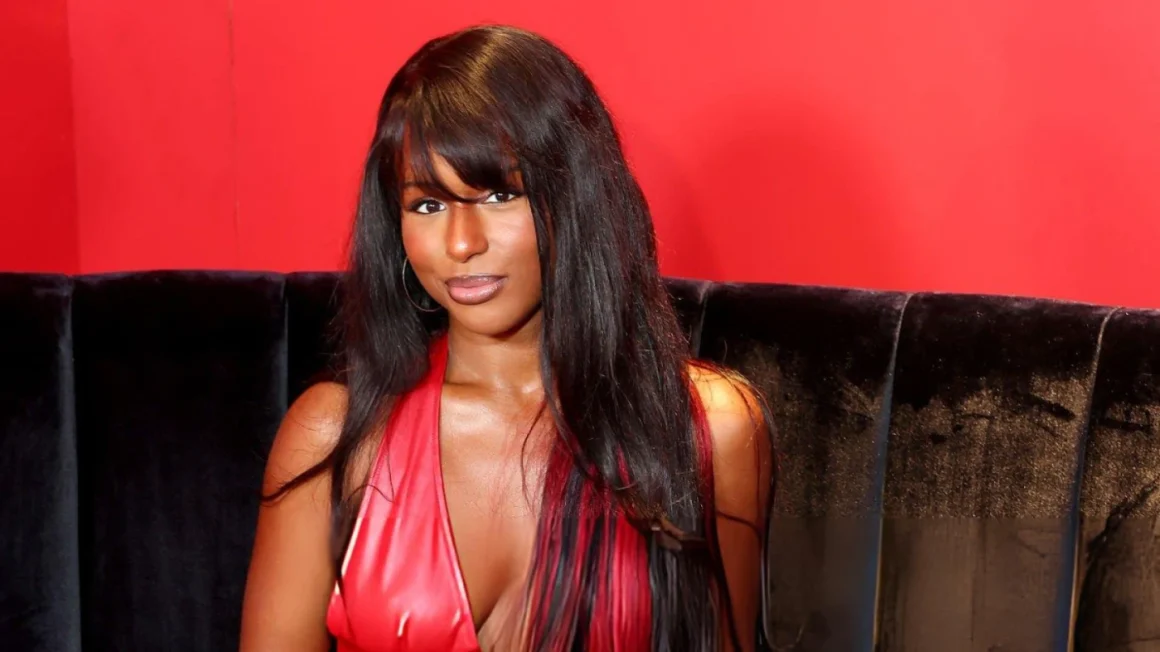










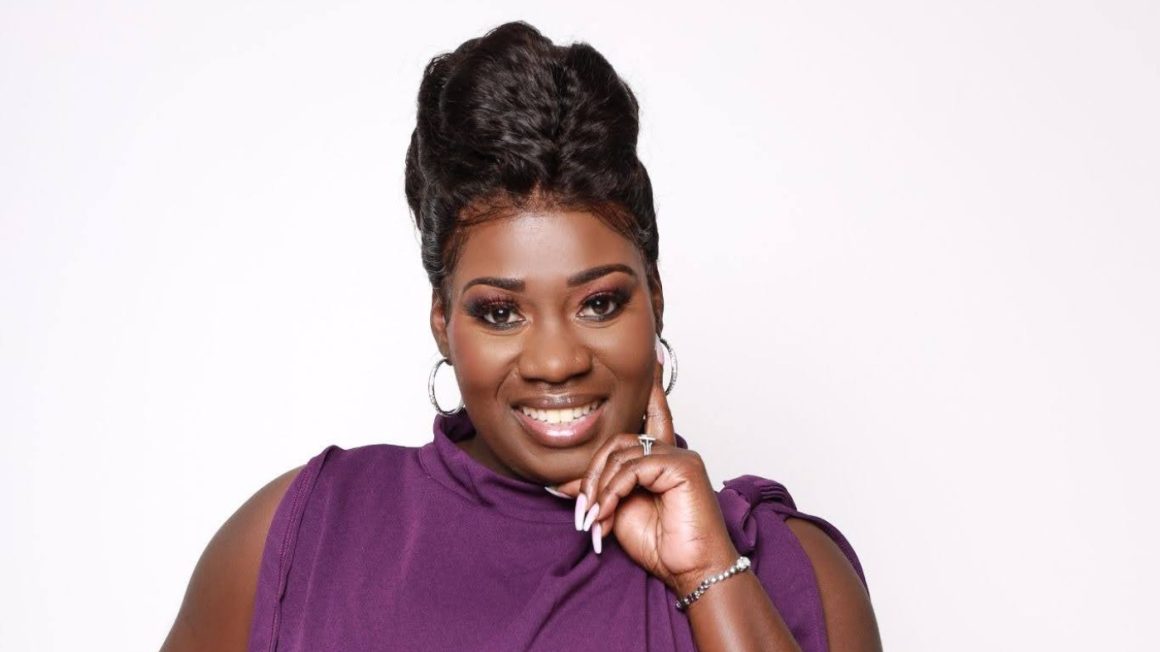
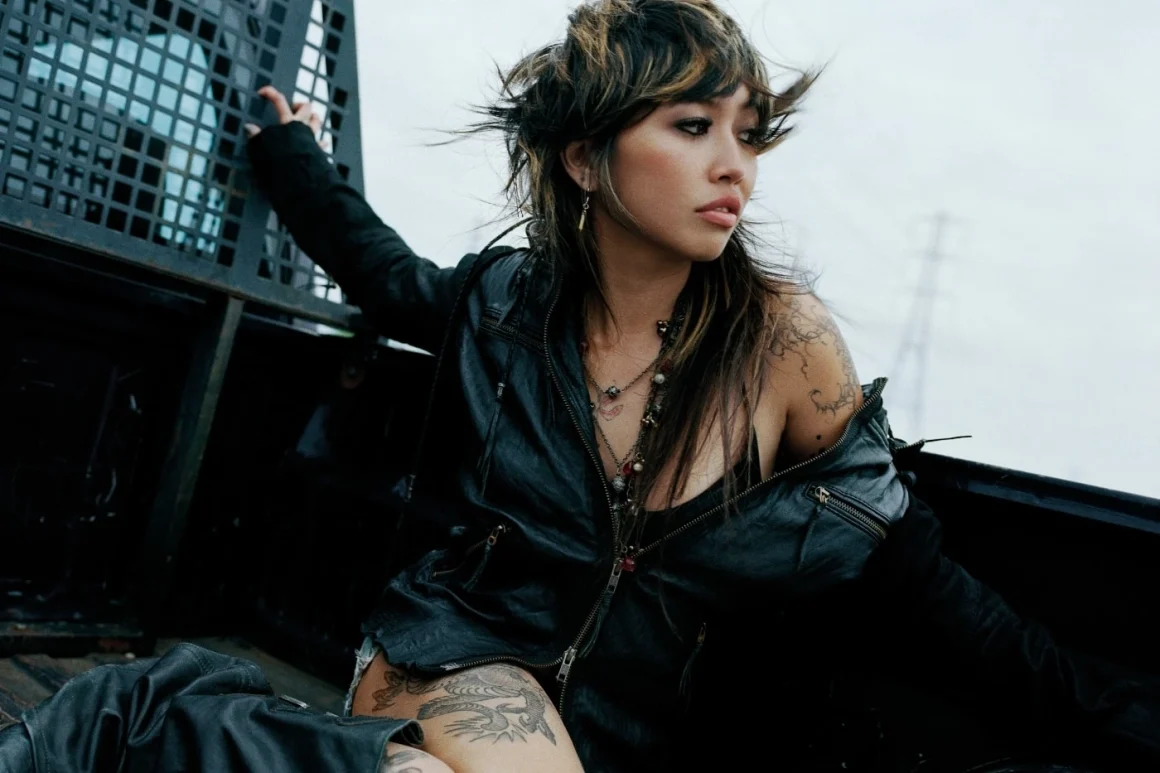


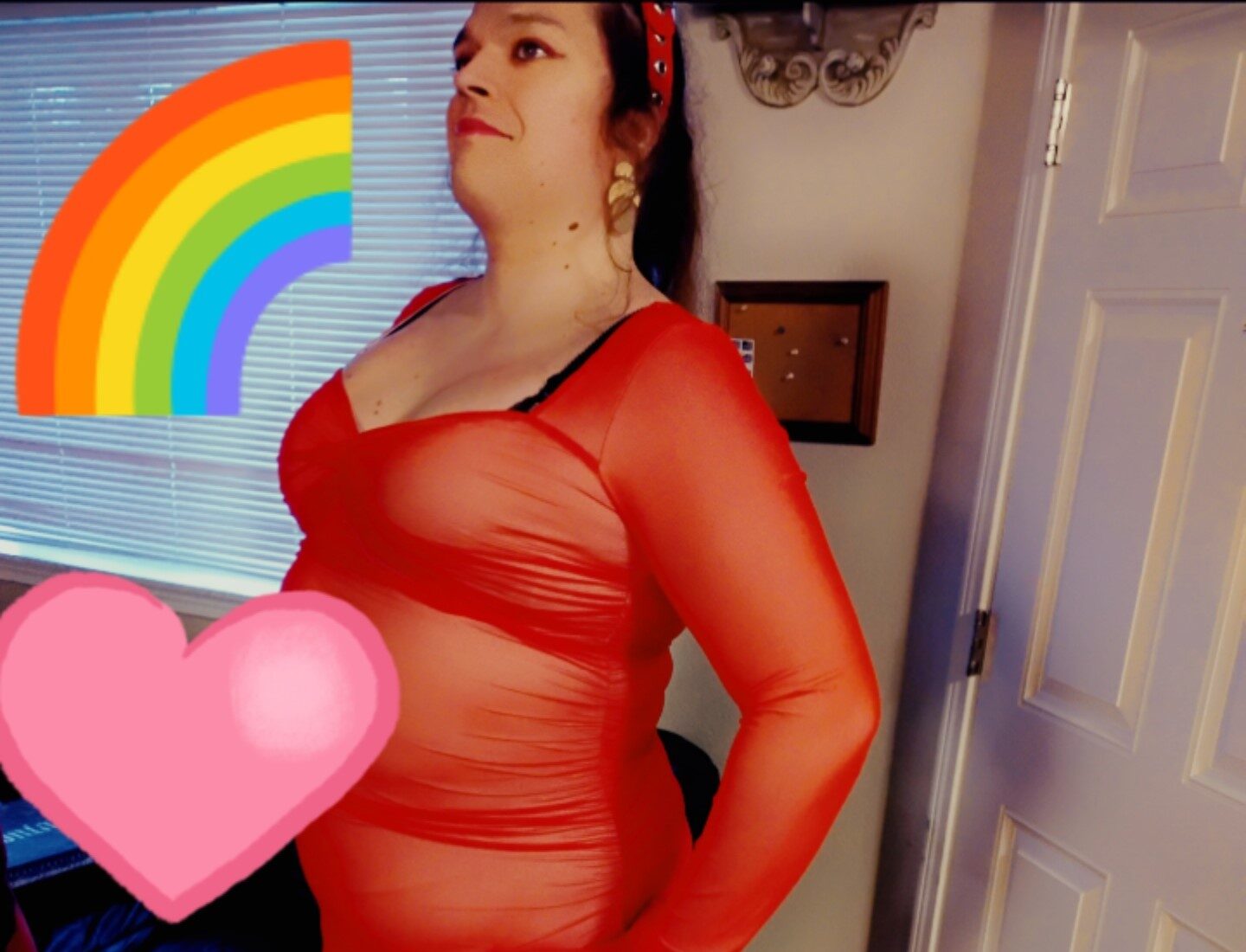
Some artists arrive through industry pipelines. Rainbow Priestess came through a far less predictable path. Ordained and seminary trained, she stepped away from ministry work for a season and returned to a passion she had carried since high school: rap. What began as old freestyle instincts soon became a serious creative outlet. With the freedom to invest in production tools and refine her sound, she transformed a personal hobby into a growing movement that has already reached thousands of listeners.
Her music refuses easy labels. Rooted in classic hip hop, her catalog also pulls from West Coast energy, boom bap grit, club rhythms, spoken word, and glitch hop textures. Working from a bedroom setup with laptops, a phone, and self-built systems, she creates tracks that feel futuristic but deeply human. The vocals are hers, the vision is hers, and the message is unmistakably personal. Whether she is telling true stories, flexing technical flows, or slipping humor into the bars, Rainbow Priestess sounds like no one else.
The road has not been without resistance. As a white trans woman in hip hop spaces, she has faced skepticism and outright prejudice. Yet skill has a way of cutting through noise. Over time, dismissive reactions became reluctant respect, then genuine support. It is a reminder that authenticity and craft can challenge assumptions faster than arguments ever could.
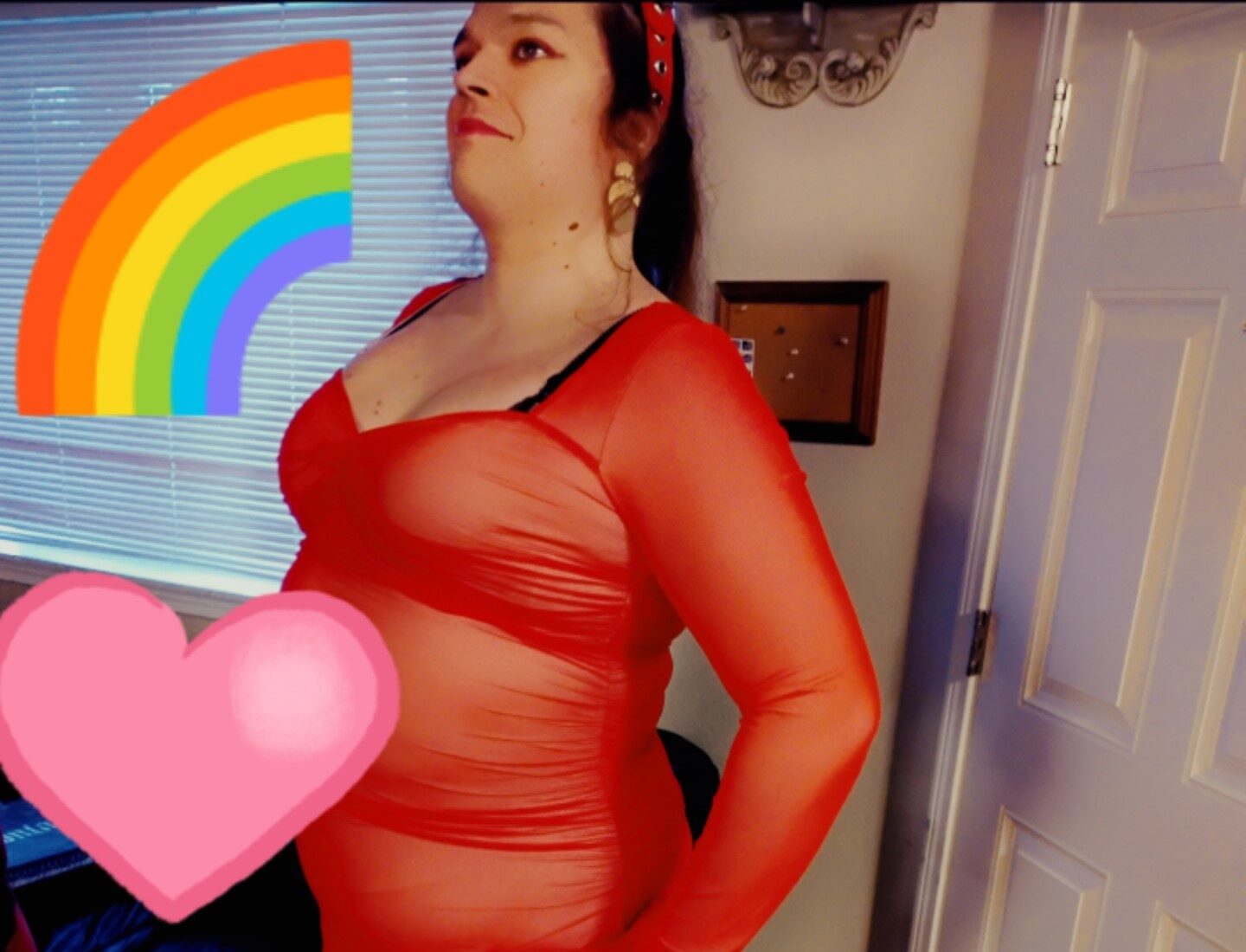
Her rise has come with real milestones. Her music has been monetized on streaming platforms, while “For the Saints” reached the number one spot for several weeks on RapFame. Tracks like “Tgirls Need Love Too” brought humor and confidence, while “The Code” connected with listeners through themes of fear, solidarity, and shared womanhood. Each release has shown a different side of her artistry.
The name Rainbow Priestess is more than branding. It reflects both identity and calling. “Priestess” connects to her spiritual path, while “Rainbow” speaks openly to visibility and pride. For her, music is not separate from purpose. It is another form of ministry, one built through rhythm, honesty, and connection rather than a pulpit.
Now she is preparing new releases like “My Rank” and “Respect,” while building toward a full glitch hop street album drawn from years of drafts and ideas. Whatever comes next, one truth is already clear: Rainbow Priestess is not asking for space in hip hop, she is creating her own.
Related Stories
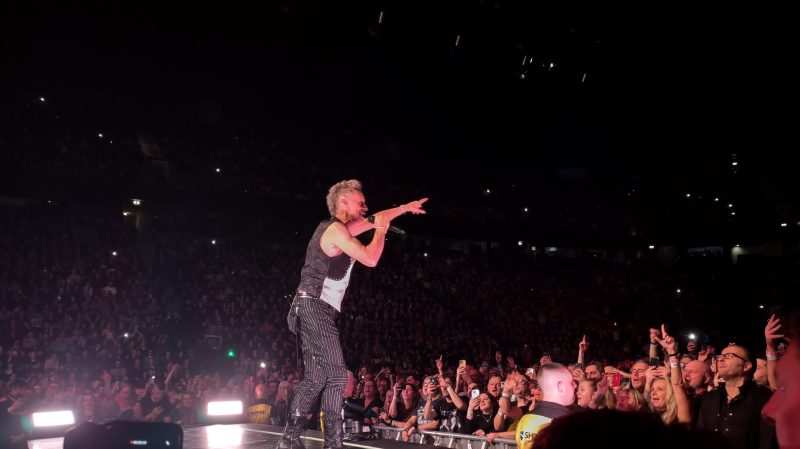
Martin Gore and Cliff Damavandi Follow a Memory Into Cross Whisper
Martin Gore and Cliff Damavandi release Cross Whisper through Mute, connecting a personal story with electronic composition and...

Joan Greer Finds Hope Through The People’s Anthem
At a time when division often dominates the headlines, singer-songwriter Joan Greer is using music to deliver a...

Fox De La Rose Makes Room for Change on ‘Nothing Is Written In Stone’
Fox De La Rose takes an open-ended approach to songwriting on Nothing Is Written In Stone, a nine-track...