


























Before there were stages, studios, or beachside crowds, there was a teenager sneaking into his older sister’s bedroom to play her records. For Bill Glass, those secret listening sessions in Port Arthur, Texas were the beginning of a lifelong relationship with music. Getting caught was part of the risk, but the sound was worth it. By high school, hearing John Fogerty and Creedence Clearwater Revival changed everything. He borrowed his uncle’s guitar, learned “Proud Mary,” and felt the first spark of what would become a lasting pursuit.
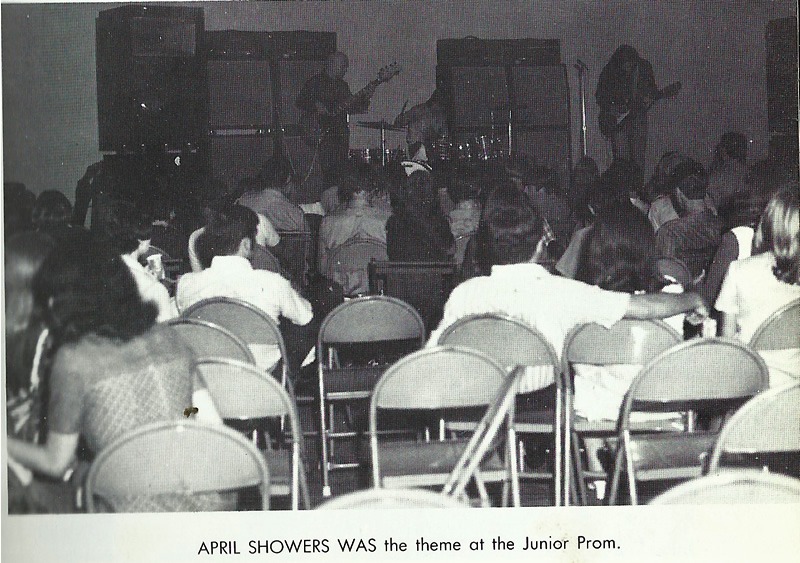
Growing up in Port Arthur also meant living close to a thriving music culture. It was ZZ Top country, and the legendary band regularly played a local high school hangout. Glass and a friend even found themselves partying with them during a 1971 New Year’s Eve show in Houston. For a young musician still finding his footing, moments like that made the dream feel real. He kept his ambitions mostly private through college, but the direction was already set.
His influences expanded quickly, from The Beatles and The Rolling Stones to The Beach Boys, whose harmonies left a lasting impression. But admiration soon turned into action. After college in Dallas, a close friend asked Glass to step into a difficult role, replacing a popular lead singer as both vocalist and guitarist. It was a challenge few would welcome, yet he embraced it. The band gained traction quickly, and for the first time, people were paying him to perform.
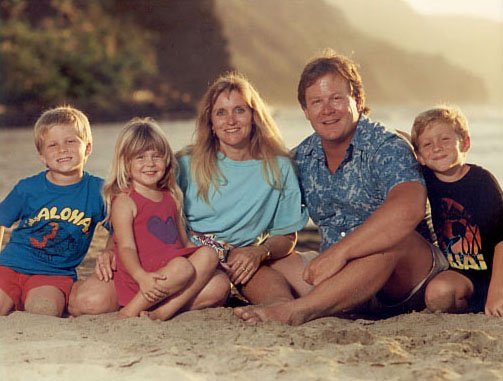
Then life took a turn no scriptwriter would dare invent. Glass received a call from a stranger on Maui inviting him to move to Hawaii. Instead of law school, he chose the unknown. That decision changed everything. On Maui, he built a reputation playing beach parties and live venues, eventually performing with the late Wille K, one of Hawaii’s most respected musical figures. What began as a leap of faith became a new chapter where music once again opened doors he never expected.
One of the defining songs of that era was “Living in Paradise,” a track he recorded twice, first in Dallas and later in Southern California. It captured more than geography. It reflected the strange and beautiful path his life had taken. Whether playing packed rooms or working in Los Angeles studios alongside elite musicians, Glass discovered that success was not always planned. Sometimes it simply arrived when the work was honest enough to meet it.
He also learned that talent alone is never enough. During a difficult recording session for “The Coming Day,” an engineer stopped him after several failed takes and told him to buy a metronome. When Glass replied, “Practice makes perfect,” the engineer corrected him: “Perfect practice makes perfect.” It became one of the most valuable lessons of his career, and one he carried forward ever since.
Today, Glass is focused on The Lazarus Sessions: Bringing Songs Back to Life, while envisioning a return to the north shore of Kauai to play with old friends. From a boy sneaking records in Texas to an artist who let paradise find him, Bill Glass proves that some songs do not just shape a life, they become one.
Related Stories

One Step Closer Frames Zero With a Night-to-Day Pair of Singles
One Step Closer previews Zero with Blue Hour and Was It Ever Enough?, introducing a ten-track album recorded...
Jez Williams Confronts Information Overload on Solo Debut Hollow Man
Jez Williams introduces Life Of Me And You with Hollow Man, a solo single about modern overload ahead...
Martin Gore and Cliff Damavandi Follow a Memory Into Cross Whisper
Martin Gore and Cliff Damavandi release Cross Whisper through Mute, connecting a personal story with electronic composition and...