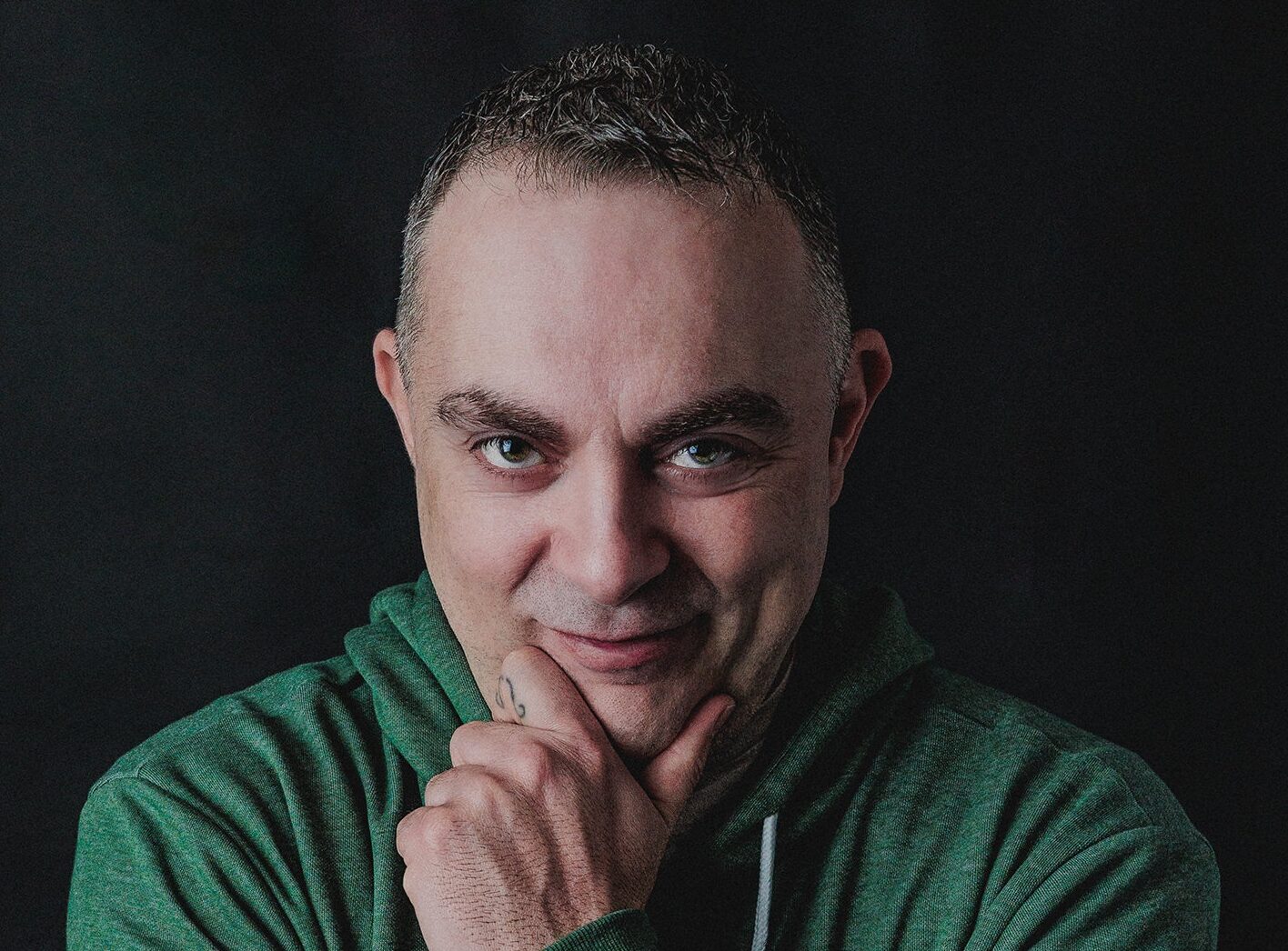
MANCHESTER, N.H. — Producer and DJ Lazy Gator is positioning himself at the forefront of a renewed wave in American electronic music, blending the grit of 1990s underground rave culture with the high-powered production standards of today.
“I would like to think that I’m bridging the gap between the grit of the ’90s underground and the high-tech production capabilities of the present day,” Lazy Gator said. “I want my story to be about the evolution of the American Hard House rave sound.”
With U.S. Hard House gaining momentum again, Lazy Gator is carving out a distinct lane rooted in the genre’s signature 135 BPM energy. His sound modernizes the swing and intensity of the original movement while delivering clean, festival-ready production.
A Career Built Across Eras
Lazy Gator’s journey through music spans decades and multiple evolutions. His career began in 1999 at New York City’s iconic Limelight nightclub, where he connected with Hardcore and Gabber producer Rob Gee. That meeting led to his first record deal under ADAM Worldwide, affiliated with Sony/ATV Music Publishing, where he released music under the names Perfect Dark and Atroa.
“I’ve seen the industry from the inside of a corporate boardroom and from the booth of a warehouse rave,” he said.
After building momentum in the vinyl era, he later reemerged during the Dubstep boom under the alias Drop Goblin, releasing music with labels such as Play Me Records. His catalog during that period included multiple charting releases on Beatport, including Top 10 placements and a No. 1 ranking.
Now, with the launch of the Lazy Gator brand, he has come full circle — returning to his roots while embracing full independence.
Sharing Stages With Legends
Throughout his career, Lazy Gator has performed alongside influential names in music history, including Kurtis Blow, Afrika Bambaataa, Black Sheep, KRS-One, Slick Rick, and Sid Wilson, also known as DJ Starscream. He also credits support from foundational figures in the Hard House scene, including Alex Peace, Poogie Bear and DJ Flaver.
“That support means everything,” he said. “It confirms this isn’t just a comeback — it’s a continuation of a legacy.”
Reinvention and Resilience
Like many long-standing artists, Lazy Gator has faced creative and industry challenges. During his Dubstep era, he encountered a period of stagnation and chose to step away rather than compromise his sound.
“I had to reset and come back with something authentic,” he said.
He also adapted to the modern independent music landscape, where artists are expected to manage every aspect of their careers — from production to marketing.
“I had to learn how to be the producer, performer, graphic artist, video editor and marketer all in one,” he said.
Reviving a Classic Sound
On April 17, Lazy Gator released “Tetris ’26,” a modern reimagining of the 1998 U.S. Hard House track “Tetris ’98” by Mike Flores and DJ Flaver. The updated version blends contemporary production with a respect for the original’s underground roots.
“Built from the ground up, I reimagined this classic with new vocals and modern production while respecting the old-school vibe,” he said.
The track is now streaming worldwide across major platforms.
Looking Ahead
As he builds momentum, Lazy Gator is preparing to return to live performances, with bookings opening in the fourth quarter of 2026. His long-term vision centers on revitalizing the underground rave scene and introducing U.S. Hard House to a new generation.
“There’s a global audience looking for something authentic,” he said. “My goal is to be the ambassador for this revival and make sure this sound thrives again.”
Connect With Lazy Gator
Website: Visit Lazy Gator’s Official Website
Instagram: Follow Lazy Gator on Instagram
Spotify: Listen to Lazy Gator on Spotify
Related Content