






Italian-born, London-based Gionatan Scali has always walked the line between grit and introspection, but with his latest single, ‘Best Self’, he stakes a claim for a kind of emotional catharsis that feels both immediate and hard-earned.
The track, also the title cut from his third studio album, lands like a decade distilled: ten years since Scali moved to London, he’s wrestling with reinvention, survival, and the stubborn pull of self-examination.
Sonically, ‘Best Self ‘is anchored in punchy, distortion-tinged guitars that flirt with late-2000s indie nostalgia while embracing a modern sense of production clarity. There’s a rawness here that recalls the restless energy of Geese and the slacker-poet intimacy of Kurt Vile, yet Scali never feels derivative.
The lyrics, as much as the instrumentation, reveal Scali’s decade-long dialogue with himself. The working title, “My best self found me dead,” hints at the psychological reckoning underlying the song, a meditation that began in 2018 with letters to an imaginary psychologist. “I couldn’t afford an analyst,” Scali admits, “I needed an intimate relationship with my subconscious. No human could give me that kind of attention, so I wrote to an imaginary one.” That intimacy seeps into every strum, every distortion, rendering the single as much an internal confrontation as a public declaration.
Scali’s past as Johnny Fishborn in Italy adds another layer to the narrative – a period of guitar-driven experimentation and local acclaim that he shed upon relocating to London. The Diagonal House, his longtime creative base, has become a laboratory for his evolving sound, where unconventional chord structures and dissonant textures are as integral to his music as the confessional narratives he channels through them.
Best Self doesn’t just mark a milestone in Scali’s career; it stakes out a particular moment of self-definition. It’s messy, layered, and unapologetically honest, a grunge-tinged indie anthem that somehow manages to feel intimate while expansive. By the time the track ends, it’s clear that Scali isn’t just reflecting on a decade in London, he’s reckoning with himself, and he’s inviting the listener to do the same.
His voice, frayed, candid, and sometimes confrontational, cuts through layers of textured instrumentation, threading the track with a confessional urgency that’s both abrasive and magnetic.
Related Stories
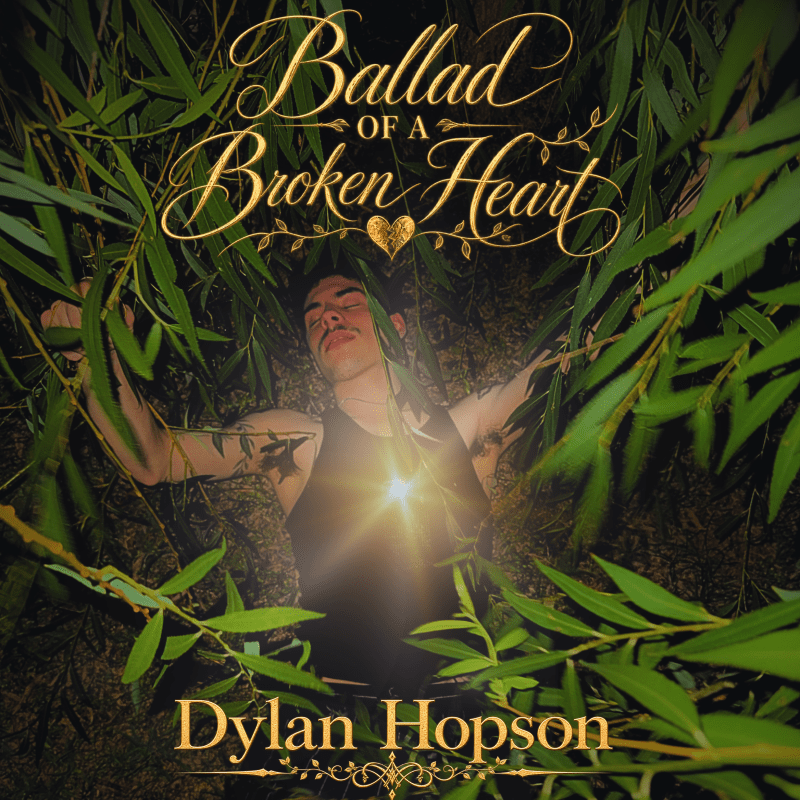
Dylan Hopson’s “Ballad of a Broken Heart”: A Piano-Driven Story About Being Used and Finally Seeing the Truth
For Dylan Hopson, Ballad of a Broken Heart began with the belief that he had finally met someone...
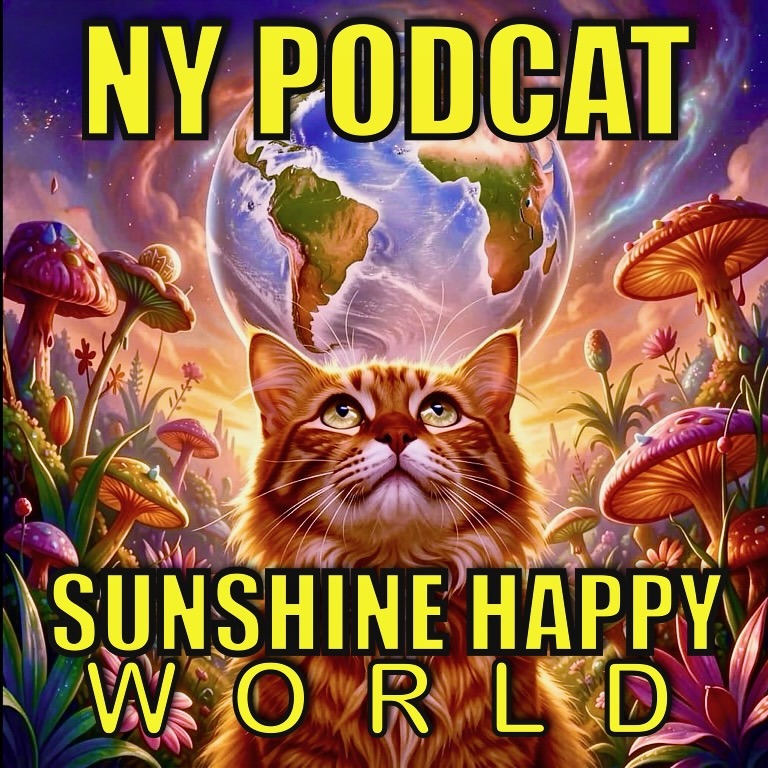
NY PodCat’s “Sunshine Happy”: A Dream Pop Celebration of Every Language in the World
For Li Mann of NY PodCat, the idea behind Sunshine Happy World began with something she heard on...
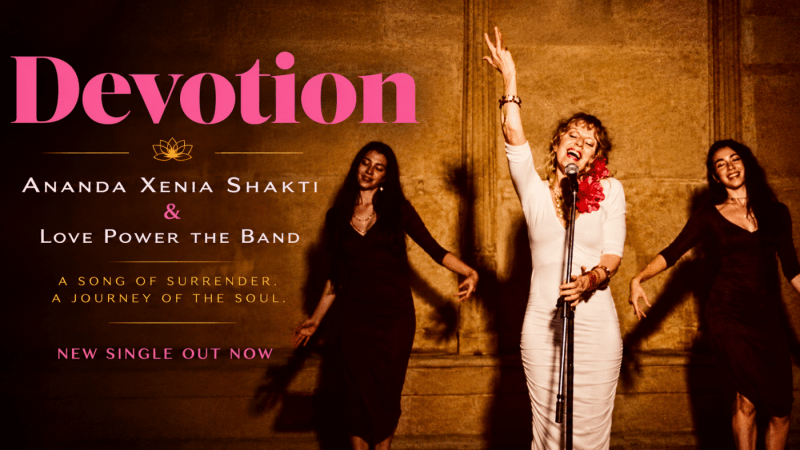
From Punk’s Noise to Sacred Stillness, Ananda Xenia Shakti Makes “Devotion” Her Own Kind of Rebellion
Ananda Xenia Shakti’s “Devotion” connects her punk past with a quieter form of rebellion built around mantra, surrender,...